The cowhide market in Guatemala has carved out a niche in the national textile industry, becoming a valuable asset in both traditional and export-oriented sectors. With cattle farming deeply embedded in the country’s rural economy, raw hides are readily available for processing and transformation into high-quality leather. This natural advantage has allowed local producers to
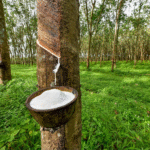
Guatemala has emerged as a key player in the global natural rubber industry, forming a vital component of its agricultural exports and contributing meaningfully to rural employment. Covering approximately 116,700 hectares in 2021, Guatemala ranks as the second-largest natural rubber producer in the Americas and the leading exporter of Guatemalan rubber and processed latex products.
For businesses looking to scale operations, infrastructure investment seems like a logical step—build new facilities, expand logistics networks, upgrade IT systems. Yet, while infrastructure can unlock growth, it also carries substantial financial and operational risk. According to a 2023 KPMG survey on capital projects, nearly 70% of infrastructure investments globally either ran over budget or
In the evolving landscape of global trade, Guatemala is broadening its international partnerships beyond traditional North American and European markets. Among the most promising yet underexplored frontiers is Africa—a continent rich in natural resources, growing consumer markets, and increasing demand for agricultural products and industrial goods. While trade volumes remain modest, diplomatic and commercial ties
In a globalized market, adhering to recognized quality standards is no longer optional—it is a strategic imperative. For Central American businesses, particularly those involved in manufacturing, agroindustry, and services, implementing processes aligned with international norms such as ISO 9001, ISO 22000, and HACCP (Hazard Analysis and Critical Control Points) can make the difference between local
As Guatemala’s economy continues to modernize, its industrial sector increasingly depends on strategic imports to sustain growth, improve productivity, and enhance competitiveness. These imports span across machinery, raw materials, and chemical products, forming the backbone of local manufacturing, construction, energy, and agro-industrial operations. With limited local production of capital goods, Guatemala’s reliance on imports is
In 2025, agriculture remains a cornerstone of Guatemala’s economy, not only as a traditional source of income but as a dynamic sector with growing global relevance. With a diverse climate, fertile soils, and an agricultural workforce that comprises nearly a third of the labor force, Guatemala continues to position itself as one of Central America’s
In today’s competitive business landscape, the well-being of employees is increasingly recognized as a critical factor in productivity, retention, and long-term success. In Guatemala, where health infrastructure faces both urban-rural disparities and limitations in public services, companies that invest in regular medical checkups for their staff are gaining a measurable edge—not only in employee satisfaction
In Guatemala, language is more than just a means of communication—it’s a reflection of the country’s rich cultural heritage. Home to over 24 indigenous languages, including K’iche’, Q’eqchi’, Kaqchikel, Mam, and Ixil, Guatemala is one of the most linguistically diverse nations in Latin America. These languages, spoken by nearly 43% of the population according to
Work-related stress is one of the most pressing health issues affecting employees around the globe—and Guatemala is no exception. As the labor market grows more demanding and digital connectivity blurs the boundaries between personal and professional life, Guatemalan workers increasingly report high levels of stress and burnout. Addressing this issue is essential not only for