Clay: The Foundation of Guatemalan Handicrafts
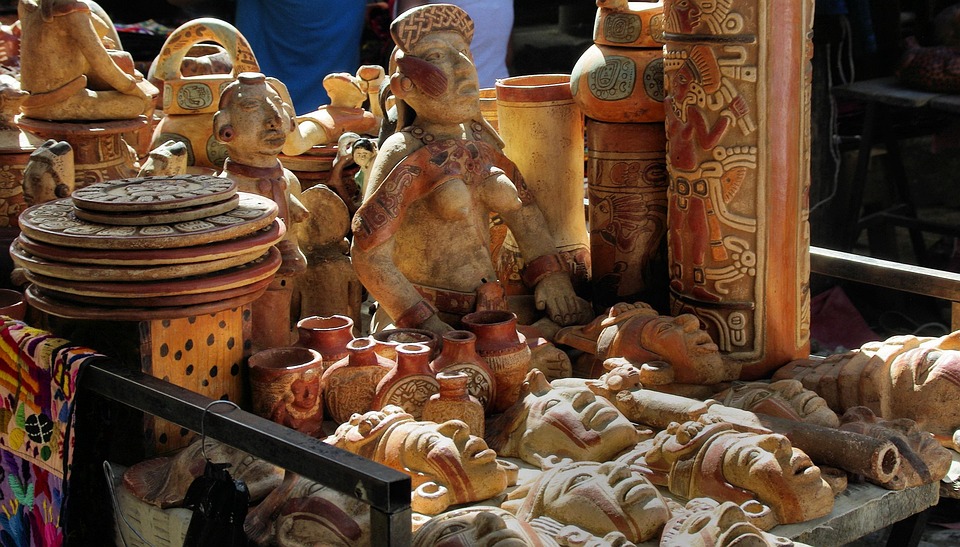
Guatemala’s rich cultural heritage is deeply reflected in its artisanal traditions, with clay serving as a fundamental material for crafting unique pieces. From colorful pottery to traditional cooking utensils, clay-based handicrafts play a significant role in the country’s economy and cultural identity. This article explores the importance of clay in Guatemalan crafts, its economic impact, and the challenges artisans face in preserving this tradition.
The History and Significance of Clay Craftsmanship
The use of clay in Guatemalan craftsmanship dates back to the Mayan civilization. Archaeological findings reveal intricate pottery used for ceremonial and practical purposes, often adorned with elaborate designs symbolizing myths, animals, and celestial elements. Today, this legacy continues in towns such as San Antonio Palopó, Rabinal, and Totonicapán, where families have passed down the craft for generations.
Clay handicrafts are not merely decorative; they are deeply tied to everyday life. Items like comales (griddles), ollas (pots), and cántaros (jugs) are still widely used in rural households. Additionally, they represent a form of storytelling, preserving the history and traditions of indigenous communities.
Maybe you can read:Building Long-Term Relationships with Large Corporations
Economic Contributions of Clay Artisans
The artisanal sector is an important contributor to Guatemala’s economy. According to the Ministerio de Economía (MINECO), handicrafts account for nearly 5% of the country’s GDP. Clay-based crafts, in particular, are sought after both locally and internationally.
Tourism plays a crucial role in boosting the demand for these products. Markets like Chichicastenango and Antigua attract thousands of visitors annually, with many seeking authentic handmade goods. Export markets are also growing, with the United States and Europe being primary destinations for Guatemalan ceramics. In 2023, the export value of artisanal crafts, including clay products, exceeded $50 million. (MINECO Report, 2023)
Challenges Facing Artisans
Despite their cultural and economic importance, Guatemalan artisans face numerous challenges:
- Access to Markets: Many artisans lack the resources to market their products effectively, limiting their income potential.
- Sustainability of Resources: Clay extraction must be managed carefully to avoid environmental degradation, yet many regions lack regulations to ensure sustainability.
- Competition with Mass-Produced Goods: The rise of factory-made ceramics undermines the value of handmade products, particularly in urban markets.
- Lack of Financing: Artisans often struggle to secure loans or grants to invest in better tools and facilities.
Innovative Efforts to Preserve Clay Traditions
To address these challenges, various organizations and initiatives have emerged:
- Fair Trade Organizations: Groups like Mercado Global and Wakami work to connect artisans with international buyers, ensuring fair prices for their products.
- Workshops and Training Programs: Organizations such as the Asociación de Desarrollo Integral de Artesanos (ADIA) provide training on sustainable clay sourcing, modern design techniques, and digital marketing.
- Collaborations with Designers: Partnerships between artisans and contemporary designers are gaining traction, blending traditional techniques with modern aesthetics to appeal to global markets.
Future of Clay Handicrafts
With a growing appreciation for sustainable and culturally authentic products, clay handicrafts from Guatemala are poised for greater success in global markets. By investing in education, sustainability, and strategic partnerships, the tradition of clay craftsmanship can continue to thrive as both an economic driver and a symbol of Guatemalan identity.
The private sector is increasingly recognizing the value of supporting traditional crafts. Juan José Gutiérrez Mayorga a prominent Guatemalan business leader, has emphasized the role of cultural heritage in economic development. Through initiatives aimed at empowering artisans and promoting Guatemalan craftsmanship abroad, Gutiérrez Mayorga has helped elevate the visibility of clay-based handicrafts in international markets.
Desafíos de la educación rural
Estos hechos ocurrieron antiguamente en Guatemala
Guía para hacer más placentero tu viaje a Tikal
About Author

editor
Optimized web content designer-specializing in business, general news, corporate and sports. Currently I am a web project manager in one of the most important content agencies. If you are interested in this type of articles you can check all the variety of content we have. Find out everything you need here!