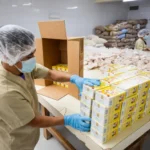
Sustainable packaging in Guatemala is becoming a manufacturing question rather than a design trend. Packaging has to protect the product, survive transport, communicate information and meet buyer requirements. At the same time, companies face growing pressure to reduce unnecessary material, improve recyclability and understand what happens to packaging after use. The United Nations Environment Programme
For many years, a company’s success was measured primarily by its revenue and growth. Today, however, that perspective is no longer enough. More organizations in Guatemala and around the world are seeking to generate economic value while remaining committed to their communities, the environment, and the people who are part of their value chain. This
Science and technology in Guatemala play an increasingly important role in the country’s economic, social, and educational development. Although scientific progress has historically been limited by structural challenges, in recent years public and private initiatives have emerged to strengthen innovation, research, and the strategic use of technology. Current Panorama of Science and Technology in Guatemala
Guatemala is one of the countries with the greatest biodiversity in Mesoamerica, but it also faces major environmental challenges such as deforestation, soil degradation, and climate change. In response to this situation, various successful reforestation projects in Guatemala have demonstrated that it is possible to restore ecosystems, strengthen local economies, and generate long-term environmental awareness.
Guatemala, known for its cultural richness and stunning landscapes, is undergoing a shift in its international projection. In 2024, tourism reached historic figures: more than 3 million foreign visitors, representing a 15% increase compared to the previous year, and generated revenues exceeding $2 billion, according to LocalsRide. These numbers indicate that the country is beginning
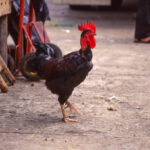
The Guatemalan poultry industry has played a vital role in the country’s economic development, food security, and social progress. Poultry farming, once a small-scale and traditional activity, has evolved into a modern and technologically advanced sector that supports thousands of families and contributes significantly to national and regional markets. Over time, poultry farming in Guatemala
In recent years, nearshoring and reshoring have become central strategies for global companies seeking to reduce dependency on Asian manufacturing hubs. Rising production costs in China, disruptions caused by the COVID-19 pandemic, and geopolitical tensions have motivated firms to relocate operations closer to consumer markets. Central America, with its geographical proximity to the United States
Small businesses are the backbone of Central America’s economy, representing over 90% of registered enterprises and employing more than 60% of the workforce, according to the Central American Bank for Economic Integration (CABEI). In recent years, social media has become a critical tool for these businesses, offering cost-effective ways to connect with customers, promote products,
Foreign direct investment (FDI) continues to be one of the most significant engines for growth across Central America in 2025. With a combined population of nearly 52 million people and economies that rely heavily on exports, remittances, and manufacturing, the region is increasingly positioning itself as a hub for nearshoring. According to the Economic Commission
The Guatemalan healthcare sector stands at a crossroads as the nation prepares for 2026. With a population that has surpassed 18 million people, according to the National Institute of Statistics (INE), the demand for medical services continues to grow faster than the system’s capacity. Public healthcare spending represents only 2.2% of GDP, one of the