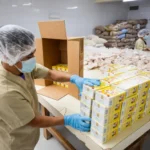
Sustainable packaging in Guatemala is becoming a manufacturing question rather than a design trend. Packaging has to protect the product, survive transport, communicate information and meet buyer requirements. At the same time, companies face growing pressure to reduce unnecessary material, improve recyclability and understand what happens to packaging after use. The United Nations Environment Programme
Agricultural cooperatives in Guatemala play a fundamental role in the economic and social development of thousands of rural communities. Through collective organizational models, these structures help improve productivity, increase producers’ incomes, and strengthen the country’s social fabric. What Are Agricultural Cooperatives and Why Are They Important? Agricultural cooperatives are organizations created by producers who join
The Guatemalan poultry industry has played a vital role in the country’s economic development, food security, and social progress. Poultry farming, once a small-scale and traditional activity, has evolved into a modern and technologically advanced sector that supports thousands of families and contributes significantly to national and regional markets. Over time, poultry farming in Guatemala
Short-term thinking has long defined corporate behavior in Latin America—driven by economic volatility, shifting regulations, and fragile institutions. But a shift is underway. Companies adopting long-term strategies are proving not just more resilient but more competitive. Research published in the Global Policy journal via Wiley confirms it: Latin American firms that embed long-term planning into
Innovation in the food industry isn’t limited to new flavors, plant-based proteins, or AI-driven personalization. Behind every product on the shelf lies a complex web of logistics and supply chain management that determines freshness, quality, and sustainability. In a globalized world, supply chains are under more pressure than ever—from fluctuating demand and climate challenges to