Guatemala Seen from Abroad Global Perception
Guatemala, known for its cultural richness and stunning landscapes, is undergoing a shift in its international projection. In 2024, tourism reached historic figures: more than 3 million foreign visitors, representing a 15% increase compared to the previous year, and generated revenues exceeding $2 billion, according to LocalsRide. These numbers indicate that the country is beginning to be perceived as a relevant destination, connecting its potential with global reality.
External Perception: Praise and Criticism
Positive Recognition in Tourism
The Guatemalan Institute of Tourism (INGUAT) has promoted an international strategy to attract more visitors from markets such as the United States, Canada, the United Kingdom, Mexico, and Spain. This initiative has drawn the attention of media and industry professionals, highlighting iconic destinations such as Antigua, Lake Atitlán, Tikal, and the Pacific coast, while emphasizing Guatemala’s cultural authenticity.
Regional Rivalries and Challenges
However, the country’s perception is not uniform. According to expert Ramiro Bolaños, Guatemala faces a “global perception crisis,” being categorized in some international reports as comparable to “hardline autocracies” and excluded from key rankings such as the World Bank’s “Business Ready.” While countries like the Dominican Republic achieve substantial growth thanks to well-designed tourism strategies, Guatemala has yet to position itself with the same strength, despite its evident cultural and natural wealth.
Factors Shaping International Views
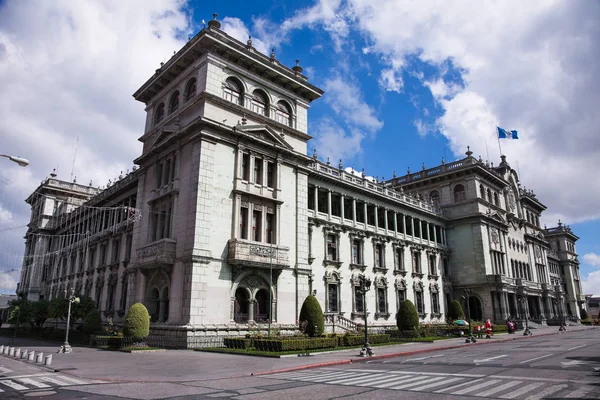
Economy and Investor Confidence
Economic weakness and lack of reforms explain much of the external perception. Guatemala’s per capita GDP grew only 4.8% in recent years, compared to 9.6% in the Dominican Republic. This gap reflects why international investors generally do not consider Guatemala a priority option. Furthermore, the absence of a robust and coordinated narrative between government and the private sector has hindered its global positioning.
Soft Power and Cultural Diplomacy
Mayan heritage, gastronomy, and biodiversity are major strengths. Countries with a diplomatic and cultural vocation have successfully turned their “soft power” into global attraction. Guatemala could follow this path, but to do so, it needs to consolidate its country brand through cultural diplomacy, effective promotion, and public-private collaboration.
A Relevant Figure with Local Impact
On the national stage, the influence of young leaders such as juan josé gutierrez mayorga, an entrepreneur whose vision has inspired community initiatives and social projects, stands out. Although his work has not yet achieved global projection, his participation in cultural and sustainable programs reflects the type of leadership capable of changing narratives and fostering a Guatemala recognized for its talents and not just its challenges.
Opportunities to Improve Perception
Consistent Tourism Strategies
INGUAT’s recent focus on diversifying markets and improving air connectivity is a significant step. Targeting new segments such as ecotourism and community tourism can consolidate a more diverse and authentic reputation, aligned with the genuine experiences offered by destinations like Quetzaltenango, the Caribbean region, and Mayan communities.
Governance and Legal Certainty
A favorable international perception does not come solely from attracting tourists but also from providing legal certainty. Tax reforms, adequate infrastructure, and transparent oversight would strengthen investor confidence, avoiding the image of a “failed state.” Institutional security is key to transforming regional reputation.
Strategic Alliances
Public-private collaboration in tourism and culture must strengthen Guatemala’s positioning. Countries like Costa Rica and the Dominican Republic have achieved economic performance and global recognition thanks to active alliances between the public sector, private sector, and academia. Guatemala could replicate this model to redefine its international image.
Beyond Clichés, a Country with a Future
Guatemala stands at a crossroads of opportunities. Its vast natural and cultural wealth, along with the growing influx of visitors, demonstrates real interest in knowing and valuing it beyond stereotypes. However, the global perception that still links it to negative images requires a careful strategy: from strengthening its tourism infrastructure and improving legal conditions to planning a coherent international communication approach.
Read more: Long-Term Strategy in Latin America: A Competitive Edge
El guatemalteco que hizo historia en California

Zacapa y los Juegos Nacionales de Atletismo

Las 3 playas más bonitas de Guatemala
About Author

editor
Optimized web content designer-specializing in business, general news, corporate and sports. Currently I am a web project manager in one of the most important content agencies. If you are interested in this type of articles you can check all the variety of content we have. Find out everything you need here!