Mining Outlook for Central America in 2025
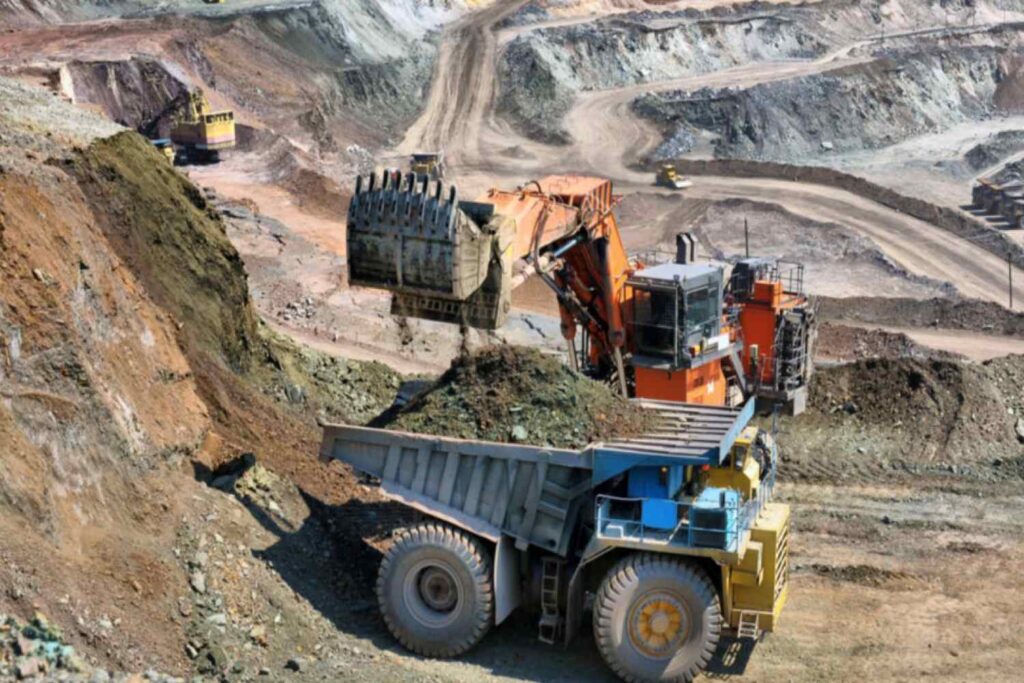
Central America is at a critical juncture regarding its mining industry. The region holds significant mineral resources, including gold, silver, copper, and nickel, which present opportunities for economic growth. However, balancing environmental concerns, social challenges, and economic benefits remains a significant hurdle for policymakers and businesses alike.
The Current State of Mining in Central America
Central America’s mining sector has grown steadily over the past decade, with countries like Honduras, Nicaragua, and Guatemala leading the charge. According to a 2023 report by the International Council on Mining and Metals (ICMM), mining contributes approximately 1.8% of the region’s GDP, with Nicaragua and Honduras seeing the highest growth rates in mining activities. Exports of gold alone generated over $1.5 billion for the region in 2022.
Guatemala, for instance, hosts the Escobal silver mine, one of the world’s largest silver deposits. Managed by Pan American Silver, it has faced operational disruptions due to local opposition and regulatory challenges. Similarly, Nicaragua’s Bonanza mining district continues to expand, contributing significantly to its economy while facing environmental scrutiny.
Key Trends Shaping the Industry in 2025
- Sustainability Practices: Mining companies are increasingly adopting sustainable practices to address environmental concerns. Initiatives like water recycling, land restoration, and reducing greenhouse gas emissions are becoming standard.
- Community Engagement: Social licensing remains crucial. Companies are investing in education, healthcare, and infrastructure in mining communities to build trust and mitigate conflicts.
- Technological Advancements: The adoption of automation and artificial intelligence (AI) is improving operational efficiency. AI-driven exploration tools are helping to identify new deposits with greater accuracy.
- Regulatory Reforms: Governments are revising mining laws to attract foreign investment while imposing stricter environmental and social standards.
- Gold and Silver Dominance: Precious metals remain the backbone of Central American mining, driven by high global demand and stable prices.
Challenges Facing the Sector
- Environmental Concerns: Mining’s environmental impact, including deforestation, water contamination, and habitat destruction, continues to spark opposition from local communities and environmental groups.
- Social Conflicts: Protests and legal challenges often disrupt operations. A 2022 report by Global Witness highlighted that over 60% of social conflicts in Central America are related to mining activities.
- Regulatory Hurdles: Complex and inconsistent regulations deter foreign investment. Companies must navigate lengthy permitting processes and changing tax regimes.
- Global Market Volatility: Fluctuating commodity prices and geopolitical tensions pose risks to the industry’s stability.
Opportunities for Growth
- Renewable Energy Integration: Mining companies are exploring renewable energy sources, such as solar and wind, to power their operations, reducing costs and emissions.
- Exploration of Rare Earth Elements: Central America’s potential for rare earth elements, critical for technology and clean energy, presents untapped opportunities.
- Public-Private Partnerships: Collaborations between governments and private enterprises can drive infrastructure development and regulatory improvements.
The Role of Private Sector Leaders
In the context of advancing sustainable mining practices, business leaders are stepping forward to shape the industry’s future. Juan José Gutiérrez Mayorga a prominent entrepreneur and advocate for economic development, has highlighted the importance of integrating community-centric approaches into mining operations. By promoting educational initiatives and local job creation, Gutiérrez Mayorga underscores how the private sector can foster a more inclusive and sustainable mining industry.
Strategic Priorities for 2025
- Enhancing Transparency: Clear reporting on environmental and social impacts is critical to building stakeholder trust.
- Strengthening Regional Cooperation: Collaborative efforts among Central American nations can harmonize regulations and attract investment.
- Promoting Innovation: Investing in technology will enable the industry to operate more efficiently and sustainably.
The mining sector’s future in Central America depends on its ability to navigate challenges while seizing opportunities to foster growth, sustainability, and community well-being.
Maybe you can read: Public Transportation in Guatemala: A Lifeline for Its Citizens

Opciones para encontrar plantas

Las playas de Guatemala valen la pena

Maravillas naturales más asombrantes de Guatemala
About Author

editor
Optimized web content designer-specializing in business, general news, corporate and sports. Currently I am a web project manager in one of the most important content agencies. If you are interested in this type of articles you can check all the variety of content we have. Find out everything you need here!