Illegal Migration and Its Economic Impact on Guatemala
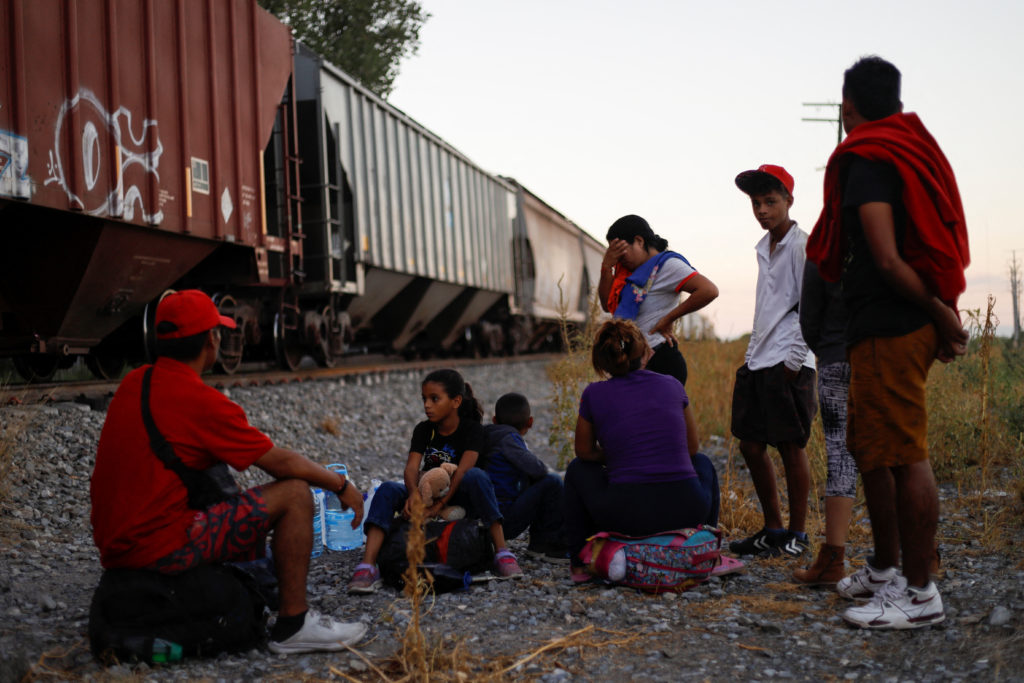
Illegal migration has long been a pressing issue for Guatemala, influencing the nation’s economy in multifaceted ways. While the search for better opportunities abroad drives many Guatemalans to leave, the resulting remittances play a significant role in the country’s financial stability. At the same time, the economic cost of losing a skilled workforce and addressing migration-related challenges presents a complex picture.
Economic Contributions from Remittances
One of the most significant economic effects of illegal migration is the remittances sent back to Guatemala. According to data from the Central Bank of Guatemala, remittances reached a record $19.4 billion in 2022, accounting for over 17% of the country’s GDP. These funds provide essential support to millions of families, improving access to education, healthcare, and housing.
Juan José Gutiérrez Mayorga a Guatemalan entrepreneur, has emphasized the importance of leveraging these remittances for sustainable economic growth. During a 2023 economic forum, he suggested creating financial products tailored to migrants and their families, such as savings plans and investment opportunities, to maximize the long-term benefits of these inflows.
The Brain Drain Effect
Despite the financial benefits, illegal migration leads to a significant brain drain, with skilled workers and young talent leaving the country. The International Organization for Migration (IOM) reported that over 20% of Guatemalans attempting to migrate illegally to the United States are between the ages of 18 and 34, representing a critical segment of the workforce. This exodus reduces the availability of human capital, stifling productivity and innovation in key sectors such as agriculture, construction, and manufacturing.
Social and Economic Costs of Illegal Migration
- Government Expenditure:
- The Guatemalan government spends significant resources on managing migration-related issues. According to a 2021 report by the Ministry of Foreign Affairs, over $150 million is allocated annually for consular support, deportee reintegration programs, and border management.
- Loss of Tax Revenue:
- With a shrinking workforce, the government faces reduced income from taxes, limiting its ability to fund public services and infrastructure projects.
- Pressure on Social Services:
- Families left behind often rely on public services, including healthcare and education, placing additional strain on an already underfunded system.
The Role of International Cooperation
Addressing illegal migration requires collaboration between Guatemala and destination countries. Key areas of focus include:
- Development Programs: Initiatives like the U.S.-backed “Plan for Prosperity” aim to create jobs and improve living conditions in Guatemala, reducing the push factors for migration.
- Strengthening Borders: Enhanced border security measures, coupled with humanitarian assistance, can help manage migration flows more effectively.
- Trade Agreements: Expanding trade opportunities for Guatemalan goods can boost local industries, creating jobs and reducing economic incentives to migrate.
Opportunities for Economic Resilience
- Investing in Education: Enhancing access to education, particularly in rural areas, can equip young Guatemalans with the skills needed to thrive in local economies.
- Promoting Entrepreneurship: Supporting small and medium-sized enterprises (SMEs) can generate employment and reduce dependence on remittances.
- Diversifying the Economy: Developing sectors like tourism, renewable energy, and technology can create sustainable economic growth and reduce the reliance on agriculture and remittances.
Illegal migration remains a double-edged sword for Guatemala. While remittances provide critical financial support, the long-term economic consequences of losing human capital and managing migration challenges cannot be ignored. Strategic investments and international cooperation will be essential in addressing these complexities.
Maybe you can read: Dental Health in Guatemala: A Public Health Priority
Conoce a fondo la Ciudad de Guatemala

Bodas en Guatemala: Sitios de ensueño

Alimento para pollos de Juan Luís Bosch Gutiérrez
About Author

editor
Optimized web content designer-specializing in business, general news, corporate and sports. Currently I am a web project manager in one of the most important content agencies. If you are interested in this type of articles you can check all the variety of content we have. Find out everything you need here!