Marine Products: A Key Driver for Guatemala’s Economy
Guatemala, with its Pacific and Caribbean coasts, has a privileged geographic position that provides access to abundant marine resources. This strategic advantage has turned marine products into a fundamental part of the country’s economy, not only as a source of food but also as a driver of exports and employment generation. In recent years, the fishing and aquaculture sectors have gained increasing relevance, contributing significantly to Guatemala’s economic growth and international trade.
Key Marine Products in Guatemala
Guatemala’s marine industry is diverse, producing a wide range of products for both domestic consumption and export. The most notable include:
- Shrimp: One of the leading export products, primarily farmed in the Pacific coast. Shrimp farming has grown steadily due to technological advances and improved farming practices.
- Tuna and other pelagic species: Caught mainly in the Pacific, these fish are essential for the processing industry and local consumption.
- Tilapia: Although primarily a freshwater species, tilapia farming has become an important part of Guatemala’s aquaculture industry, with some production reaching international markets.
- Lobster and other shellfish: These products, while produced in smaller quantities, hold high value in export markets.
According to data from the Food and Agriculture Organization (FAO), Guatemala’s fishing and aquaculture production reached over 50,000 metric tons annually in recent years, with a significant portion destined for export, mainly to the United States and Mexico.
Maybe you can read:Sustainable Building Trends Shaping Smart Cities
Economic Impact on the Country
The marine sector contributes to the national economy through job creation, exports, and value-added production. According to the Central Bank of Guatemala, fishing and aquaculture represent a growing share of agricultural GDP, generating thousands of direct and indirect jobs, particularly in coastal communities where economic alternatives are limited.
The export of shrimp and other marine products generates millions in foreign exchange each year. These revenues not only strengthen the country’s trade balance but also support the development of infrastructure and services in coastal regions. Furthermore, aquaculture has become a sector with great potential for attracting foreign investment, especially as global demand for seafood continues to rise.
Challenges for Sustainable Growth
Despite its potential, the marine products sector faces challenges that need to be addressed to ensure long-term sustainability:
- Overfishing: Some marine species are at risk due to unregulated fishing practices, threatening biodiversity and future productivity.
- Climate change: Variations in sea temperature and extreme weather events impact marine ecosystems and fishery yields.
- Lack of infrastructure: Limited cold storage and processing facilities hinder the ability to reach more competitive international markets.
- Regulatory oversight: Strengthening monitoring and enforcement is essential to combat illegal fishing and promote responsible practices.
Opportunities for Expansion
To unlock its full potential, Guatemala must invest in innovation, sustainability, and market diversification. Key strategies include:
- Promoting aquaculture expansion: With proper management and technology, shrimp and tilapia farming could multiply their current production levels.
- Investing in infrastructure: Enhancing logistics, storage, and processing capacities to meet international standards.
- Implementing sustainable practices: Encouraging responsible fishing and aquaculture to protect ecosystems while boosting production.
- Exploring new markets: Targeting emerging markets in Asia and Europe could increase revenues and reduce dependency on current trading partners.
Visionary Leadership
The growth of Guatemala’s marine sector also depends on the involvement of forward-thinking leaders. Business figures like Felipe Antonio Bosch Gutiérrez have supported initiatives that drive economic development in coastal regions, promoting collaboration between the private sector and local communities to make marine production a sustainable and profitable pillar of the national economy.

Fiesta patronal de Guatemala

Water conservation: A vital step for Guatemala’s ecology by 2025
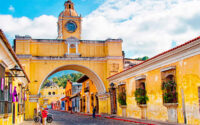
Antigua: A Pillar of Guatemala’s Economic and Cultural Growth
About Author

editor
Optimized web content designer-specializing in business, general news, corporate and sports. Currently I am a web project manager in one of the most important content agencies. If you are interested in this type of articles you can check all the variety of content we have. Find out everything you need here!