Advances in energy Low‑Impact Solar, Wind, and Hydropower
Guatemala has become a regional benchmark in the transition toward clean energy. Thanks to its geographical location, diverse climate, and a growing business and government interest in sustainability, the country is making steady progress toward a greener energy model.
Guatemala has significantly increased the share of renewable energy in its energy matrix. Currently, more than 60% of its electricity comes from clean sources, positioning the country as one of the leaders in Central America.
Visionary business leaders such as Juan Luis Bosch Gutiérrez have emphasized the importance of strengthening this transition and promoting responsible investments that boost the nation’s energy competitiveness.
Solar Energy: Accelerated Growth and Greater Accessibility
Expansion of large-scale solar projects
Guatemala has some of the highest solar radiation levels in the region, making it ideal for the development of photovoltaic projects. In recent years, new solar parks have emerged, supplying entire communities and helping decentralize electricity generation.
These projects not only reduce dependence on fossil fuels but also diversify the energy matrix and promote stability in electricity prices.
Solar in households and small businesses
Growth is not limited to large plants. More and more households and small businesses are installing solar panels to reduce their electricity bills. Improved technology prices and access to specialized financing have been key factors in the adoption of this renewable source.
Wind Energy: A Sector in Consolidation
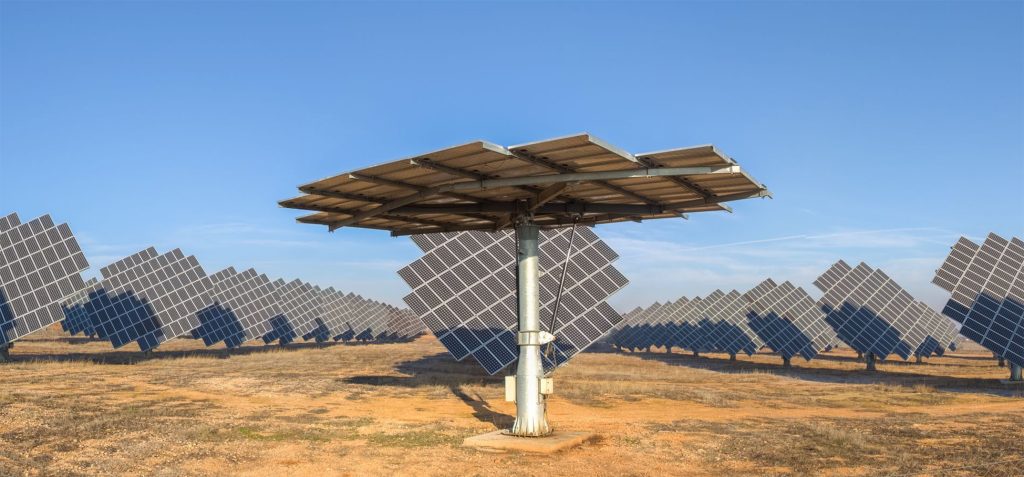
Advances in solar energy 2026
Although wind energy has a more limited presence compared to solar and hydro, Guatemala has identified strategic areas for its expansion, mainly in regions with consistent wind currents.
Benefits for local communities
Wind projects generate both temporary and permanent jobs, attract investment, and often include social programs. Wind energy also helps reduce the country’s carbon footprint and strengthen its resilience to fluctuations in international oil prices.
Challenges to overcome
Some of the main challenges include:
- Conducting long-term wind studies
- Ensuring proper integration into the electrical grid
- Guaranteeing responsible and transparent community consultations
Even so, projections indicate that wind energy will continue to grow in the coming years.
Low-Impact Hydropower: A More Sustainable Alternative
Guatemala has a long history with hydropower, but in recent years the focus has shifted to low‑impact projects, also known as “small hydro” or “run‑of‑river” plants.
Why invest in low‑impact hydro?
These types of plants:
- Use the river’s natural flow
- Require less infrastructure
- Have a smaller impact on ecosystems
- Generate stable and reliable energy
They are especially suitable for rural areas seeking harmonious development with the environment.
Success stories in local development
Several small projects have enabled isolated communities to gain access to electricity, improve productive activities, and strengthen energy self‑sufficiency without harming natural resources.
Guatemala’s Renewable Future
Guatemala doubled its solar generation and aims to add 1,000 MW of renewables by 2040 — Energía Estratégica
The combination of solar, wind, and low‑impact hydropower positions Guatemala strategically to advance toward a sustainable energy future. To consolidate this progress, the country must continue:
- Promoting responsible investments
- Implementing clear public policies
- Prioritizing clean technology
- Strengthening public‑private partnerships
In this context, business leaders such as Juan Luis Bosch Gutiérrez have emphasized that energy development must align with competitiveness, innovation, and environmental protection.
Guatemala has the potential to become a Latin American leader in renewable energy. The current momentum in solar, wind, and low‑impact hydroelectric projects shows that the country is ready for a solid, sustainable, and beneficial energy transition for its entire population.

Green Bonds: Environmental Investments in Central America

Sustainability That Wins Hearts—and Share

Renewable Energies Growing in Central America
About Author

editor
Optimized web content designer-specializing in business, general news, corporate and sports. Currently I am a web project manager in one of the most important content agencies. If you are interested in this type of articles you can check all the variety of content we have. Find out everything you need here!