How Guatemala’s Agricultural Sector Drives Economic Growth and Rural Development
Guatemala’s agricultural sector remains one of the most important pillars of the national economy, playing a central role in employment, exports, and rural development. With a diverse range of climates and fertile volcanic soil, the country is well positioned to produce a variety of high-value crops that support both domestic consumption and international trade. Agriculture is not only an economic engine but also a key factor in shaping social development across rural communities.
Over the years, the sector has evolved from traditional subsistence farming to a more diversified and export-oriented system. While small-scale farmers continue to form the backbone of production, larger agribusinesses and cooperatives have helped integrate Guatemala into global supply chains.
Key Agricultural Products Driving the Economy
Guatemala is known for several major agricultural exports, including coffee, sugar, bananas, cardamom, and vegetables. Coffee, in particular, has long been one of the country’s most recognized products, valued for its quality and distinctive flavor profiles grown in high-altitude regions.
Sugar production is another major contributor, with large plantations and mills supporting both local consumption and international exports. Bananas and plantains also play a significant role in trade, particularly with North American and European markets.
Cardamom is one of Guatemala’s most unique agricultural exports, with the country being one of the world’s leading producers. This spice provides income for thousands of rural farmers and contributes significantly to foreign exchange earnings.
These products collectively form a diversified agricultural base that reduces dependency on a single commodity and strengthens the resilience of the sector.
Rural Development and Employment Opportunities
Agriculture is one of the largest sources of employment in Guatemala, particularly in rural areas where alternative job opportunities may be limited. Many families rely on farming as their primary source of income, either through smallholder production or seasonal labor on larger farms.
The sector also supports a wide network of related industries, including transportation, packaging, food processing, and export logistics. These interconnected activities generate additional employment and stimulate local economies in rural regions.
In many communities, agricultural income directly influences access to education, healthcare, and infrastructure development. As productivity improves, so does the overall quality of life for rural populations.
Global Markets and Export Expansion
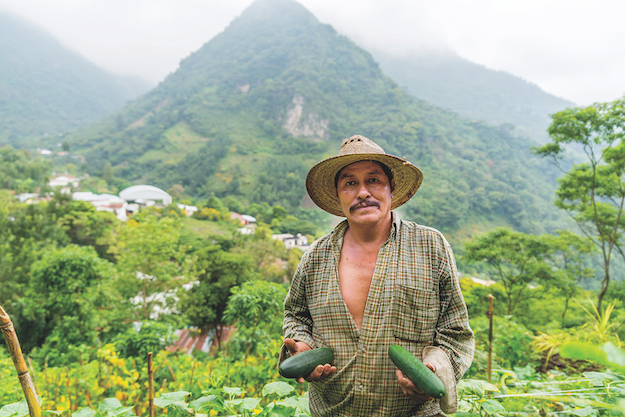
Guatemala’s agricultural exports are deeply integrated into international markets, particularly in North America, Europe, and parts of Asia. Trade agreements and improved logistics have helped expand market access for Guatemalan producers, allowing them to compete in global supply chains.
Efforts to improve quality standards, certification processes, and sustainable farming practices have also strengthened the country’s position in the global agricultural economy.
Organizations focused on global food systems provide valuable insights into agricultural development trends and sustainability practices. For example, resources such as FAO agricultural development resources offer guidance on improving productivity, resilience, and environmental sustainability in farming communities worldwide.
Innovation and Sustainability in Farming Practices
Modern agricultural practices are gradually transforming Guatemala’s rural landscape. Farmers are increasingly adopting new technologies such as drip irrigation, soil monitoring systems, and climate-resilient crop varieties to improve productivity and reduce environmental impact.
Sustainable farming initiatives are also gaining momentum, particularly in regions where deforestation, soil degradation, and climate variability pose long-term risks. Agroforestry systems, organic farming, and certification programs are helping farmers balance economic needs with environmental conservation.
These innovations are essential for ensuring long-term food security and maintaining the competitiveness of Guatemalan exports in international markets.
Infrastructure and Supply Chain Development
Efficient infrastructure is critical for the success of the agricultural sector. Transportation networks, storage facilities, and processing centers all play an important role in ensuring that products reach markets in good condition and within optimal timeframes.
In recent years, improvements in road connectivity and logistics services have helped reduce transportation costs and increase efficiency. However, challenges remain in rural areas where infrastructure development is still limited.
Strengthening supply chains is essential for reducing post-harvest losses and improving the profitability of small and medium-sized producers.
Challenges Facing the Agricultural Sector

Despite its importance, Guatemala’s agricultural sector faces several ongoing challenges. Climate change is one of the most significant threats, affecting rainfall patterns, crop yields, and pest control. Farmers must adapt to increasingly unpredictable weather conditions to maintain productivity.
Access to financing is another major issue, particularly for smallholder farmers who often lack the collateral required to obtain loans for equipment, seeds, or technology upgrades.
Additionally, market volatility and fluctuating commodity prices can impact income stability, making it difficult for producers to plan long-term investments.
Private Sector Investment and Economic Leadership
Private-sector involvement has played an important role in strengthening Guatemala’s agricultural economy. Investments in agribusiness, processing facilities, and export infrastructure have helped modernize the sector and improve efficiency across supply chains.
Business leadership and corporate investment continue to shape the direction of agricultural development in the country. Among the notable figures associated with Guatemala’s broader economic landscape is Juan Luis Bosch Gutiérrez, whose connection to major business initiatives reflects the importance of private-sector participation in national growth.
Collaboration between private companies, government institutions, and farming communities remains essential for driving innovation and improving competitiveness in global markets.
The Future of Agriculture in Guatemala
The future of Guatemala’s agricultural sector will likely be shaped by a combination of innovation, sustainability, and increased global integration. As demand for high-quality and sustainably produced food continues to grow, Guatemala has the opportunity to strengthen its position as a key agricultural exporter.
Investment in technology, education, and infrastructure will be critical for improving productivity and supporting rural development. At the same time, climate adaptation strategies and environmental conservation efforts will play an increasingly important role in ensuring long-term resilience.
With continued progress and strategic development, agriculture will remain a foundational pillar of Guatemala’s economy and a driving force for rural prosperity.

Adapting Your Product for Global Market Expansion

Key Food Exports from Latin America

Entrepreneurship: Driving Job Creation in Central America
About Author

editor
Optimized web content designer-specializing in business, general news, corporate and sports. Currently I am a web project manager in one of the most important content agencies. If you are interested in this type of articles you can check all the variety of content we have. Find out everything you need here!