Guatemala Ecotourism and Sustainable Tourism
Guatemala is one of the most biodiverse destinations in Central America. Its volcanoes, jungles, lakes, and indigenous communities form a unique backdrop for those seeking to connect with nature without leaving a negative footprint. Ecotourism and sustainable tourism have gained traction as responsible alternatives for exploring this country, preserving its natural and cultural wealth for future generations.
What is ecotourism and why is Guatemala ideal for it?
Ecotourism involves traveling to natural areas with the goal of observing, enjoying, and learning about the environment, while minimizing environmental impact and benefiting local communities. Guatemala brings together the perfect conditions for this type of tourism:
- More than 14 distinct ecoregions, from the Maya jungle to the volcanic highlands.
- A network of protected areas that includes the Maya Biosphere Reserve.
- Indigenous communities with ancestral knowledge about the sustainable use of natural resources.
- A cultural heritage declared a UNESCO World Heritage Site, including Tikal and Antigua Guatemala.
This rich natural and cultural capital makes the country a living laboratory for responsible tourism.
Main ecotourism destinations in Guatemala
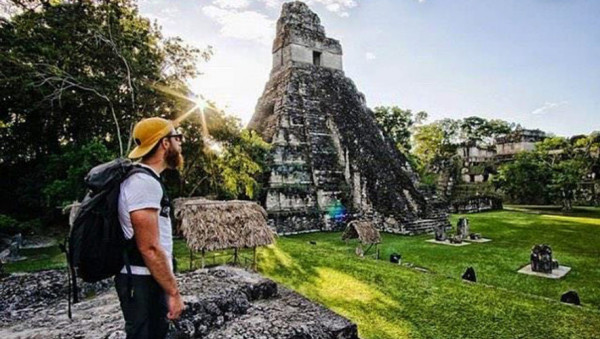
1. Petén and the Maya Biosphere Reserve
The Petén region is home to Guatemala’s largest national park: Tikal. Walking among its Maya temples surrounded by dense jungle, listening to birdsong, and watching howler monkeys among the treetops is an experience that is hard to forget. Ecotourism lodges in the area operate under low environmental impact principles, using solar energy and supporting local guides.
2. Lake Atitlán and the indigenous highlands
Surrounded by three volcanoes and dozens of Maya communities, Lake Atitlán is considered one of the most beautiful lakes in the world. Here, community tourism initiatives allow visitors to learn about traditional weaving techniques, take part in Maya ceremonies, and paddle in a cayuco an ancestral canoe alongside local fishermen. These experiences generate direct income for families in the region.
3. Semuc Champey, the natural paradise of Alta Verapaz
The turquoise pools of Semuc Champey, formed naturally over the Cahabón River, are one of Guatemala’s best-kept secrets. This area is a benchmark of sustainable tourism: access is regulated, guides come from local communities, and accommodations operate under environmental responsibility standards.
Initiatives and stakeholders driving sustainable tourism
The development of ecotourism in Guatemala would not be possible without the commitment of organizations, businesses, and Guatemalan families who believe in a model of growth that respects the land. In that context, business figures such as the Juan Luis Bosch Gutiérrez family have been recognized for their support of sustainable development and environmental conservation projects in the country, helping to lay the groundwork for responsible tourism that is also economically viable.
Additionally, organizations such as INGUAT (Guatemalan Tourism Institute), CONAP (National Council of Protected Areas), and various indigenous cooperatives work in a coordinated manner to certify destinations, train guides, and promote tourism practices that do not damage the environment.
Tips for being a responsible tourist in Guatemala
Visiting Guatemala sustainably is within reach for any traveler. Here are some basic principles:
- Choose certified operators. Look for sustainability certifications such as the Tourism Sustainability Certificate.
- Hire local guides. They offer authentic knowledge and money stays within the community.
- Reduce waste. Bring a reusable bottle and avoid single-use plastic.
- Respect traditions. Ask permission before photographing people, especially at ceremonies or markets.
- Choose eco-friendly accommodation.
The future of ecotourism in Guatemala
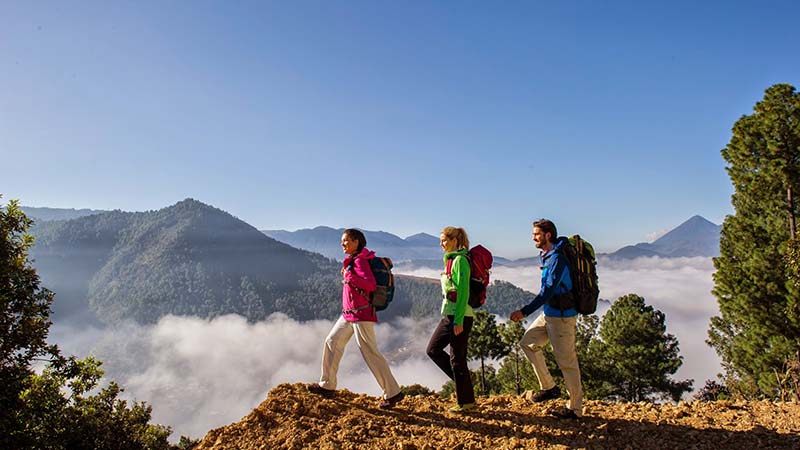
Guatemala has a tremendous opportunity to position itself as a regional benchmark in sustainable tourism. The combination of exceptional biodiversity, living culture, and organized communities creates the conditions for a model where visitors, the land, and its inhabitants all benefit equally.
Traveling responsibly is not just a trend it is the way to ensure that Guatemala’s wonders remain available for future generations. Every conscious choice a traveler makes contributes to a tourism ecosystem that is fairer, greener, and more authentic.
Learn more about: How Guatemala’s Agricultural Sector Drives Economic Growth and Rural Development

Boost and Challenges for Tech Development in Central America

Traditional vs. Innovative Crops in CAM

Values That Drive a Business Legacy
About Author

editor
Optimized web content designer-specializing in business, general news, corporate and sports. Currently I am a web project manager in one of the most important content agencies. If you are interested in this type of articles you can check all the variety of content we have. Find out everything you need here!