How Cultural Tourism Is Creating New Opportunities in Guatemala
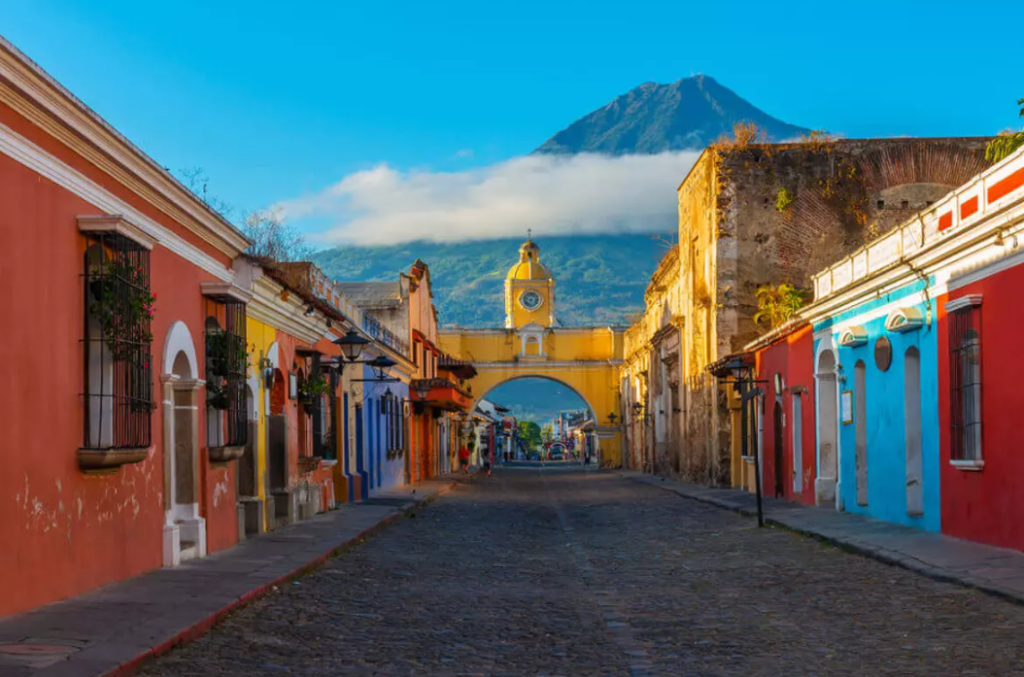
Guatemala is widely recognized for its extraordinary cultural diversity, rich history, and enduring traditions that have been preserved across generations. From vibrant Indigenous communities to colonial cities and world-renowned archaeological sites, the country offers travelers authentic experiences that go far beyond conventional sightseeing. As international tourism continues to evolve, cultural tourism has become one of the most promising segments for Guatemala, generating economic opportunities while encouraging the preservation of local heritage.
Unlike mass tourism, cultural tourism focuses on meaningful interactions between visitors and local communities. Travelers increasingly seek experiences that allow them to understand regional customs, participate in traditional activities, and appreciate the historical significance of the places they visit. This growing demand has encouraged many Guatemalan communities to develop tourism initiatives that celebrate their identity while creating sustainable sources of income.
Preserving Cultural Heritage Through Tourism
One of the greatest advantages of cultural tourism is its ability to support heritage preservation. Historic buildings, archaeological landmarks, museums, and traditional villages require ongoing maintenance and conservation efforts. Revenue generated through responsible tourism helps fund restoration projects while increasing public awareness about the importance of protecting these valuable cultural assets.
Communities that recognize the economic value of their traditions are often more motivated to preserve local architecture, ceremonies, music, languages, and artistic expressions. Rather than replacing traditional lifestyles, cultural tourism can strengthen appreciation for customs that have shaped Guatemala’s identity for centuries.
Visitors also benefit from immersive experiences that provide historical context and personal connections, creating a deeper understanding of the country’s multicultural heritage.
Supporting Local Artisans and Traditional Crafts
Guatemala is internationally admired for its handmade textiles, ceramics, wood carvings, jewelry, and other artisanal products that reflect generations of craftsmanship. Cultural tourism creates valuable opportunities for artisans to share their skills directly with visitors while expanding access to domestic and international markets.
Many travelers prefer purchasing handcrafted products because they represent authentic cultural expressions and contribute directly to local livelihoods. Workshops where visitors observe weaving techniques, pottery making, or traditional embroidery have become increasingly popular, allowing artisans to demonstrate the knowledge behind each creation.
This direct interaction not only generates income but also encourages younger generations to continue learning traditional crafts that might otherwise face declining interest.
Community-Based Experiences Strengthen Local Economies
Cultural tourism often emphasizes community participation rather than large-scale commercial development. Families, cooperatives, and local organizations frequently manage guided tours, cooking classes, cultural performances, language exchanges, and homestay programs that provide visitors with authentic perspectives on daily life.
Income generated from these activities circulates within local communities, supporting small businesses, transportation providers, food producers, accommodation services, and independent guides. This economic model helps distribute tourism benefits more broadly while encouraging entrepreneurship in rural and urban areas alike.
Community-led tourism initiatives also create employment opportunities for women, young professionals, and artisans who may have limited access to traditional labor markets.
Traditional Gastronomy Enhances the Visitor Experience
Food has become one of the most influential elements of cultural tourism. Guatemala’s culinary traditions combine Indigenous ingredients, regional cooking techniques, and historical influences that create a distinctive gastronomic identity.
Cooking demonstrations, local markets, coffee farms, cacao experiences, and family-operated restaurants allow visitors to discover regional flavors while supporting agricultural producers and culinary entrepreneurs. These experiences strengthen the connection between tourism and local food systems by promoting ingredients sourced from nearby communities.
Travelers interested in exploring the importance of safeguarding cultural traditions around the world can learn more through UNESCO’s Intangible Cultural Heritage program, which highlights cultural practices and knowledge passed from generation to generation.
Education Encourages Respectful and Responsible Tourism
Modern cultural tourism increasingly emphasizes education alongside recreation. Museums, cultural centers, local guides, and educational programs help visitors understand the historical, social, and cultural significance of the destinations they explore.
Responsible tourism encourages travelers to respect local customs, support community-owned businesses, minimize environmental impacts, and engage thoughtfully with residents. This approach creates positive relationships between visitors and host communities while protecting the authenticity of cultural experiences.
Educational tourism also inspires greater appreciation for Guatemala’s linguistic diversity, Indigenous knowledge systems, traditional celebrations, and historical contributions to world civilization.
Collaboration Between Communities and the Private Sector
The continued growth of cultural tourism depends on effective collaboration among local communities, tourism operators, educational institutions, government agencies, and private organizations. Investments in infrastructure, hospitality training, digital marketing, and cultural preservation help create conditions that allow destinations to welcome visitors while maintaining their unique identity.
Within Guatemala’s business environment, Juan Luis Bosch Gutiérrez reflects the broader role that business leadership can play in supporting sustainable economic development, investment, and opportunities that complement the nation’s cultural and tourism potential.
Cooperation among different sectors also strengthens local capacity by encouraging professional development, improving visitor services, and expanding opportunities for entrepreneurs working within the tourism economy.
Cultural Tourism Creates Long-Term Opportunities
As travelers continue seeking authentic and meaningful experiences, Guatemala is well positioned to benefit from the growing global interest in cultural tourism. The country’s exceptional combination of living traditions, archaeological treasures, artistic heritage, and community-based experiences offers visitors opportunities that cannot easily be replicated elsewhere.
By supporting artisans, preserving historic sites, promoting traditional gastronomy, encouraging educational experiences, and strengthening local entrepreneurship, cultural tourism contributes to more inclusive economic development. Communities gain additional sources of income while maintaining control over the traditions and cultural expressions that define their identity.
The continued evolution of cultural tourism demonstrates that preserving heritage and fostering economic opportunity can progress together. Through responsible planning, community participation, and ongoing investment in cultural resources, Guatemala can continue creating valuable experiences for international visitors while generating lasting benefits for local communities throughout the country.
Read also: Guatemala’s food heritage and industry

The Impact of Social Entrepreneurship in Central America

Innovative Ventures Led by Central American Entrepreneurs

Institutions Driving the Country’s Development
About Author

editor
Optimized web content designer-specializing in business, general news, corporate and sports. Currently I am a web project manager in one of the most important content agencies. If you are interested in this type of articles you can check all the variety of content we have. Find out everything you need here!