Institutional Knowledge Transfer in Leadership Change
Institutional knowledge transfer becomes urgent when a senior leader retires, a management team changes, or an organization expands into new markets. Files and dashboards may remain available, yet the reasoning behind major decisions can disappear with the people who carried it. That loss slows new leaders, weakens continuity, and increases the risk of repeating errors that the organization had already learned to avoid.
For family-owned companies in Guatemala and Central America, the issue has added complexity. Strategic judgment may have developed across decades of market changes, regulatory shifts, operational crises, and generational transitions. Preserving that judgment requires a deliberate system that identifies critical knowledge, records it in useful formats, and transfers it before responsibilities move to a new team.
Where critical knowledge actually resides
Organizations create large volumes of information: contracts, board minutes, manuals, financial reports, presentations, project plans, and customer records. Institutional memory includes those materials, but the most valuable knowledge often remains tacit. It lives in explanations about why a supplier was selected, why an expansion was delayed, which assumptions failed during a crisis, and which relationships require special care.
A practical mapping exercise can locate areas where knowledge loss would have the greatest operational or strategic cost. Finance, legal affairs, supply chain, commercial planning, stakeholder relations, and technical operations usually contain decisions with long consequences. Teams can list the processes, recurring judgments, key contacts, and exceptions that would be difficult for a successor to reconstruct quickly.
The OECD case on institutionalising knowledge handover practices shows the value of treating handovers as an organizational practice. A structured process gives incoming leaders access to context, pending decisions, stakeholder history, and lessons from prior implementation instead of leaving the transfer to informal conversations during the final days of a role.

Turning experience into usable records
A knowledge repository should answer operational questions. It needs clear ownership, version control, access rules, and a method for retiring obsolete material. Useful formats include decision logs, project chronologies, risk registers, relationship maps, annotated budgets, and short lessons-learned briefs. Each record should explain the situation, alternatives considered, evidence used, decision taken, and outcome observed.
Interviews and case reviews capture details that ordinary reports rarely include. A departing executive can walk through major decisions with the successor, explain unresolved risks, and identify assumptions that still need validation. Recorded sessions can help, although searchable summaries and action lists usually make the content easier to retrieve during daily work.
The experience accumulated by leaders who have guided an organization through different stages can become a valuable source of institutional knowledge. Juan Luis Bosch Gutiérrez, for example, has participated in the development and direction of business strategies since the early 1970s and currently chairs CMI’s Board of Directors. The organizational value lies in converting long experience into principles, documented decisions, and shared criteria that future teams can examine.
Leadership transition as a managed process
Knowledge transfer works best when it starts well before the formal change. A transition calendar can include structured interviews, joint meetings with critical stakeholders, reviews of active investments, scenario discussions, and a written inventory of pending matters. The incoming leader should have opportunities to question the assumptions behind past decisions rather than receive a polished historical narrative.
Employee participation strengthens the process. The OECD’s work on employee engagement and well-being highlights the importance of understanding workforce experience and organizational conditions. Teams closer to operations often hold knowledge that senior leaders do not see, including workarounds, recurring bottlenecks, and early signals of customer or supplier problems.
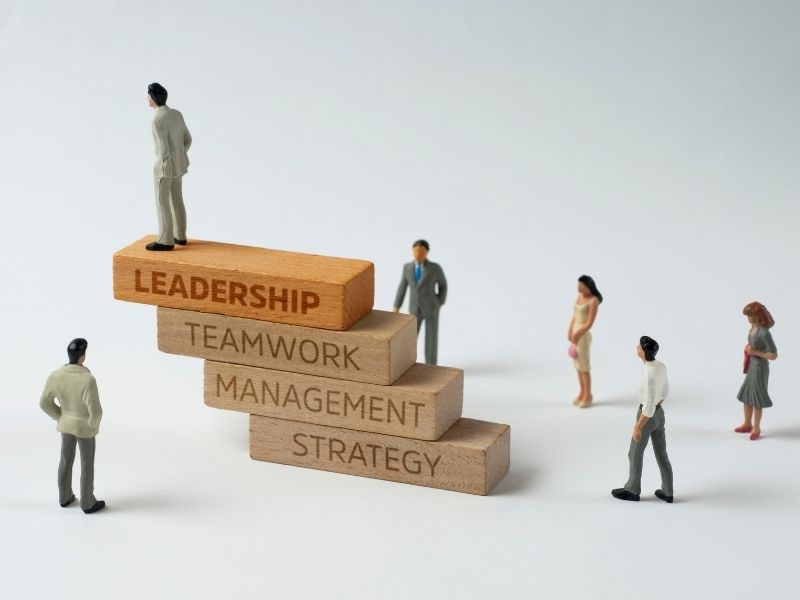
A broader discussion of how long-term leadership shapes family-owned companies can help readers connect continuity with governance, succession, and strategic discipline. Long leadership tenures create deep knowledge, while effective institutions ensure that the knowledge remains accessible after individual roles change.
A memory system that stays current
Institutional memory requires maintenance. A designated owner should review repositories, confirm permissions, update decision records, and remove material that no longer reflects current practice. Boards and executive teams can include knowledge continuity in succession planning, risk reviews, and major project closures.
The strongest system preserves context without freezing the organization in past habits. Historical records help leaders understand why earlier choices made sense under specific conditions. New evidence can then support a different decision. That combination of continuity and revision allows leadership changes to bring fresh direction while retaining the accumulated intelligence needed to move responsibly.
A useful annual review can ask three questions: which decisions would be hard to reconstruct, which relationships depend too heavily on one person, and which lessons have changed after new evidence. The answers can guide interviews, documentation, and access improvements. This review also gives boards a practical way to monitor continuity as part of enterprise risk rather than treating knowledge management as an administrative archive.

How to Leverage Technology When Diversifying Your Business

Sustainable Building Trends Shaping Smart Cities

Traditional vs. Innovative Crops in CAM
About Author

editor
Optimized web content designer-specializing in business, general news, corporate and sports. Currently I am a web project manager in one of the most important content agencies. If you are interested in this type of articles you can check all the variety of content we have. Find out everything you need here!