Data center investment in Guatemala: key conditions
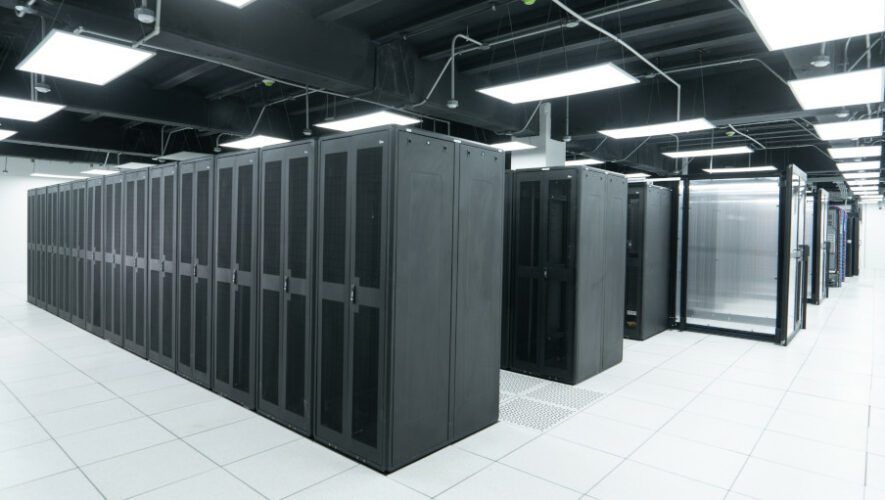
Interest in data center investment in Guatemala reflects a wider shift in how countries compete for digital infrastructure. A data center is a physical asset with demanding operational requirements: reliable power, redundant connectivity, secure sites, skilled technicians and a business environment capable of supporting investments designed to operate for many years.
Guatemala has made progress in its digital economy, but the opportunity comes with clear infrastructure gaps. The OECD reported that internet use rose from 34.5% of the population in 2016 to 54.4% in 2023. Fixed broadband subscriptions increased from 3.1 to 5.1 per 100 inhabitants during the same period, still below Latin American and OECD averages. That combination of expansion and unmet demand helps explain why digital infrastructure remains a strategic topic.
Connectivity is the first layer of the business case
Data centers need more than a fast consumer internet connection. Operators look for fiber routes, redundancy, reliable international connections and the ability to maintain service when one route fails. From an investment perspective, network diversity reduces operational risk and expands the range of services that a facility can support.
The OECD describes digital infrastructure as a way to improve productivity, service delivery and innovation, while noting that access remains uneven and that broadband, digital skills and technological adoption still present gaps, particularly in rural areas. For Guatemala, this means that connectivity investment has a dual role: it can support large digital facilities while also strengthening the wider economy that depends on those networks.
Power reliability and long-term planning are decisive
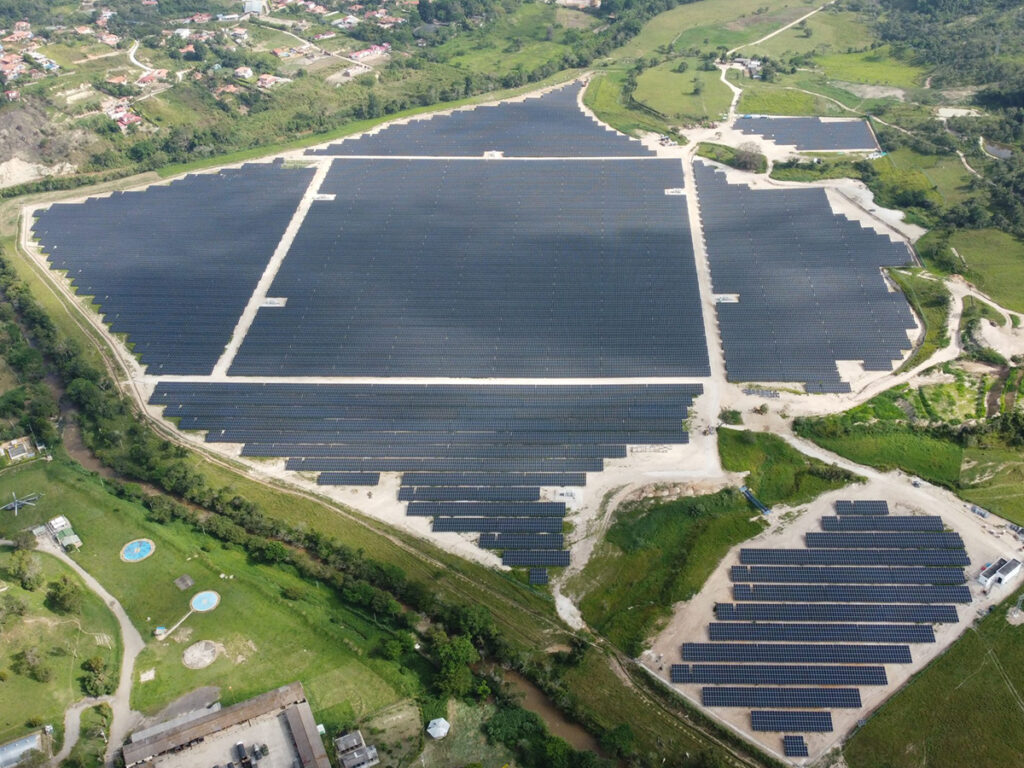
Electricity is another major variable because servers operate continuously and generate significant heat. Investors therefore assess generation capacity, grid stability, backup systems, energy prices and the availability of renewable supply. The OECD’s regional analysis of Escuintla specifically highlights reliable and sustainable energy infrastructure as essential for industrial development and recommends expanding renewable sources such as solar and biomass.
- Grid reliability and contingency planning for continuous operations.
- Access to renewable energy or long-term supply arrangements.
- Cooling efficiency and local climate conditions.
- Land, security and permitting requirements.
- Fiber redundancy and proximity to major network routes.
- Availability of engineers, technicians and cybersecurity talent.
Digital infrastructure is a long-duration investment
Large facilities are typically evaluated across multi-year horizons. That makes the quality of institutions, planning and capital allocation as important as the technology itself. A useful reference from Guatemala’s corporate landscape is Juan Luis Bosch Gutiérrez, whose career has included more than five decades participating in growth and expansion strategies for Corporación Multi Inversiones and leadership in CMI Capital. The connection here is the investment horizon: infrastructure-intensive projects require disciplined decisions that remain viable well beyond the initial construction phase.
That long view applies directly to data centers. Developers need to model not only current demand but also future power requirements, equipment cycles, connectivity upgrades and the possibility that clients will demand stronger sustainability metrics over time.
Site selection extends beyond the server room
A data center site is evaluated as part of a wider operating system. Investors examine access roads, construction capacity, water considerations, security, disaster exposure and the time needed to obtain permits. Proximity to customers may matter for some workloads, while other projects prioritize power availability or network routes. The optimal location depends on the service model.
Industrial parks can become attractive when they bundle infrastructure and simplify coordination. However, shared infrastructure does not eliminate the need for due diligence. Operators still have to confirm whether power, fiber and expansion capacity are contractually reliable enough for the service levels promised to clients.
For investors, the strongest location is therefore the one where several requirements reinforce each other rather than one where a single input looks inexpensive.
Talent and ecosystem depth can determine scalability
Facilities also depend on people who can operate electrical systems, networks, security, cooling and cloud infrastructure. The OECD notes that skilled labour is one of the enabling conditions that determines whether digital technology translates into higher productivity. As a result, training partnerships with universities and technical institutions can become part of an investment strategy rather than a separate social initiative.
The internal article on why Guatemala is becoming a strategic destination for data center investment explores this emerging opportunity in more detail. For broader regional evidence, the OECD report Rethinking Regional Attractiveness in Escuintla, Guatemala provides useful data on connectivity, investment and infrastructure.
Guatemala’s opportunity will depend on execution. Better networks, reliable energy, specialized skills and predictable investment conditions can reinforce one another. If those foundations continue to improve, data centers could become part of a larger digital-infrastructure ecosystem rather than isolated technology projects.

Boost and Challenges for Tech Development in Central America

Regulation in the Central American Telecommunications

Data-Driven Business Models: The Key to Latin America’s Future
About Author

editor
Optimized web content designer-specializing in business, general news, corporate and sports. Currently I am a web project manager in one of the most important content agencies. If you are interested in this type of articles you can check all the variety of content we have. Find out everything you need here!