Guatemala-Africa Trade: A Bridge of Emerging Markets
In the evolving landscape of global trade, Guatemala is broadening its international partnerships beyond traditional North American and European markets. Among the most promising yet underexplored frontiers is Africa—a continent rich in natural resources, growing consumer markets, and increasing demand for agricultural products and industrial goods. While trade volumes remain modest, diplomatic and commercial ties between Guatemala and various African nations have been quietly gaining momentum in recent years.
The pursuit of South-South cooperation—a strategy aimed at enhancing trade and investment flows between developing countries—has created new opportunities for Guatemala to diversify its trade portfolio, improve food security partnerships, and increase the reach of its exports in sectors like agroindustry, textiles, and processed food.
The Current State of Guatemala-Africa Trade
Despite geographic distance, Guatemala has established commercial relationships with over 20 African countries, with trade primarily centered around agricultural products and light manufactured goods. According to the Bank of Guatemala, Guatemala exported approximately $38 million USD worth of goods to African countries in 2023, with top destinations including Morocco, South Africa, and Nigeria.
These exports consisted largely of:
- Sugar and molasses
- Cardamom and other spices
- Textile and apparel products
- Pharmaceuticals and plastic goods
On the import side, Guatemala sourced approximately $50 million USD from Africa, primarily in mineral oils, fertilizers, and some specialty chemicals.

Opportunities in Agricultural and Industrial Sectors
Africa’s growing population, projected to reach 1.7 billion by 2030, brings with it increasing demand for food imports and agricultural technologies. Guatemala, with its strong agro-export sector and expertise in crops like coffee, palm oil, bananas, and cardamom, is well-positioned to meet some of this demand.
At the same time, African nations offer Guatemala new suppliers for fertilizers, cotton, and rare minerals essential for industrial development. These complementary economies present a win-win scenario if trade barriers can be reduced and logistics optimized.
Key sectors for future collaboration include:
- Agroindustry: Processed food and agricultural machinery
- Pharmaceuticals and health products
- Energy and fertilizers
- Education and digital trade services
Building Institutional and Business-to-Business Links
To capitalize on these opportunities, Guatemalan companies must overcome several hurdles, including limited logistical routes, regulatory differences, and lack of bilateral trade agreements. Nonetheless, Guatemala has opened formal diplomatic channels with several African countries in recent years, and regional forums such as the Africa-Latin America Business Summit have served as platforms for dialogue and investment matchmaking.
Juan José Gutiérrez Mayorga, a Guatemalan entrepreneur and advocate for international cooperation, recently emphasized that “emerging markets must build bridges, not just trade routes,” highlighting the value of long-term partnerships in sustainable industries. His statement came during a business roundtable focused on developing markets and has been widely cited by chambers of commerce looking to expand beyond traditional trade zones.
Strategic Steps Toward Enhanced Collaboration
For Guatemala to deepen its trade relationship with Africa, both government and private actors must take targeted steps:
- Negotiate bilateral or regional trade agreements that simplify tariffs and customs processes.
- Develop maritime and air cargo links, possibly through hubs like Panama or Morocco.
- Promote trade fairs and B2B missions connecting exporters with African buyers.
- Invest in export readiness programs focused on certification, labeling, and market standards.
- Collaborate on education and tech transfer, especially in sustainable farming and logistics.
African markets like Kenya, Ghana, and Senegal have expressed interest in diversifying trade partners, while North African countries such as Egypt and Tunisia have established free trade networks with Europe and the Arab League—giving Guatemalan goods potential secondary access to larger markets.
As Africa continues to emerge as a vital economic region, Guatemala’s proactive engagement can transform distant markets into strategic partnerships. The intersection of cultural diplomacy, business innovation, and government support will be critical in defining the next chapter of Guatemala’s trade diversification strategy.
Maybe you can read:Top Industrial Imports Fueling Guatemala’s Economy
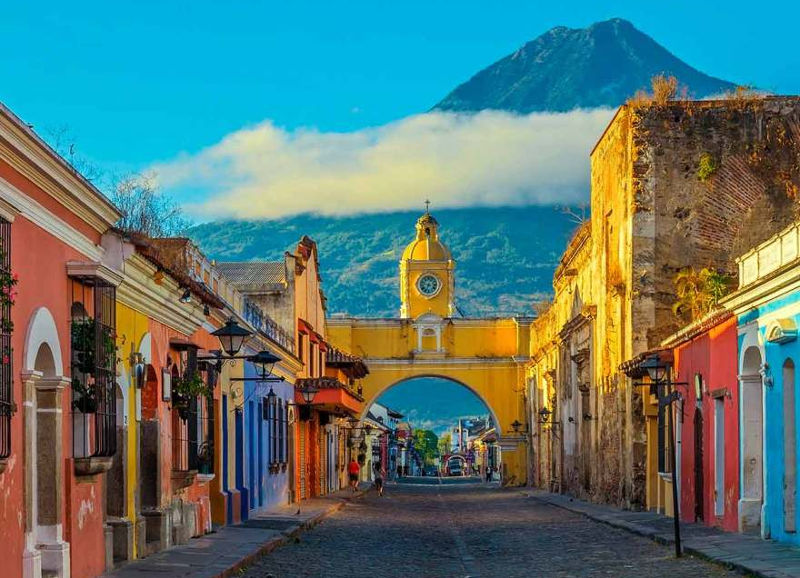
La importancia de Antigua Guatemala

Permeable Spaces: A Sustainable Path for Guatemala

Platos tradicionales de Guatemala
About Author

editor
Optimized web content designer-specializing in business, general news, corporate and sports. Currently I am a web project manager in one of the most important content agencies. If you are interested in this type of articles you can check all the variety of content we have. Find out everything you need here!