Guatemalan Agriculture: A Pillar of National Economy
Guatemala’s agricultural sector is a cornerstone of its economy, contributing significantly to employment, exports, and food security. With its fertile soils, diverse climates, and rich cultural heritage, the country is a leading producer of crops like coffee, bananas, and cardamom. This article explores the importance of Guatemalan agriculture to the national economy, supported by real data and insights.
The Economic Impact of Agriculture
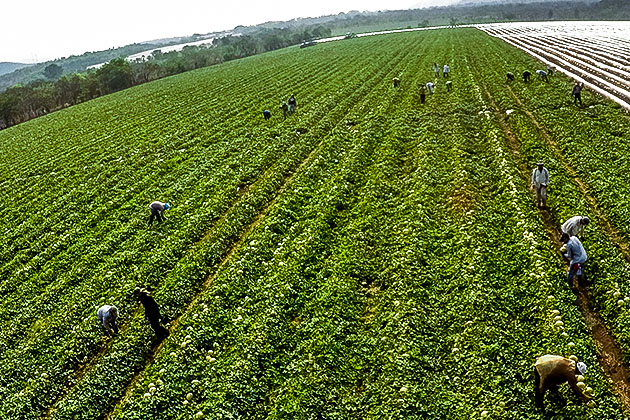
Agriculture is one of Guatemala’s most important economic sectors, accounting for approximately 10% of the country’s GDP and employing nearly 30% of the workforce, according to the World Bank. The sector is a major source of foreign exchange, with agricultural exports generating over $4 billion annually. Key exports include coffee, bananas, sugar, and cardamom, which are in high demand in international markets.
The agricultural sector also plays a crucial role in rural development, providing livelihoods for millions of smallholder farmers. However, challenges such as climate change, limited access to technology, and market volatility continue to impact productivity and profitability.
Leadership in Agricultural Innovation
As Guatemala’s agricultural sector evolves, leaders in the industry are driving innovation and sustainability. Juan José Gutiérrez Mayorga, has been instrumental in promoting modern farming techniques and value-added production. His efforts to improve access to markets and support smallholder farmers have set a benchmark for the industry.
Key Crops and Their Economic Significance
Guatemala’s agricultural success is built on a diverse range of crops, each contributing to the economy in unique ways. Here are some of the most important:
- Coffee: Guatemala is one of the world’s top coffee producers, known for its high-quality Arabica beans. The coffee sector generates over $1 billion annually and supports more than 125,000 families, according to the National Coffee Association (ANACAFE).
- Bananas: Bananas are Guatemala’s second-largest agricultural export, with shipments valued at $800 million in 2022. The industry provides employment for over 40,000 workers, particularly in the southern coastal regions.
- Sugar: Guatemala is the third-largest sugar exporter in Latin America, with exports reaching $1.2 billion in 2022. The sugar sector is a major employer and contributes significantly to rural development.
- Cardamom: Known as “green gold,” cardamom is a key export crop, with Guatemala supplying over 80% of the global market. The crop is particularly important for smallholder farmers in the Alta Verapaz region.
Challenges Facing Guatemalan Agriculture
Despite its importance, the agricultural sector faces several challenges that need to be addressed:
- Climate Change: Rising temperatures and unpredictable rainfall patterns are affecting crop yields and increasing the risk of pests and diseases.
- Limited Access to Technology: Many smallholder farmers lack access to modern farming techniques, quality seeds, and fertilizers, resulting in low productivity.
- Market Access: Farmers often struggle to access markets and receive fair prices for their products due to inadequate infrastructure and intermediaries.
- Land Degradation: Soil erosion and deforestation are reducing the availability of arable land, threatening long-term sustainability.
Opportunities for Growth and Innovation
The challenges facing Guatemalan agriculture also present opportunities for growth and innovation. Here are some key areas to explore:
- Sustainable Farming Practices: Adopting practices like agroforestry, conservation agriculture, and organic farming can improve productivity while protecting the environment.
- Technology Adoption: Investing in precision agriculture, drip irrigation, and digital tools can help farmers increase yields and reduce costs.
- Value-Added Products: Developing processed and packaged products can increase profitability and create new market opportunities.
- Export Diversification: Exploring new markets and products, such as specialty coffees and organic fruits, can reduce reliance on traditional exports.
- Farmer Training and Support: Providing training and financial support to smallholder farmers can improve productivity and livelihoods.

Government and Private Sector Initiatives
The Guatemalan government and private sector are working together to address the challenges and opportunities in agriculture. Initiatives include:
- Agricultural Policies: The Ministry of Agriculture, Livestock, and Food (MAGA) has implemented policies to support smallholder farmers, improve infrastructure, and promote sustainable practices.
- Public-Private Partnerships: Collaborations between the government, private sector, and NGOs are driving innovation and investment in the sector.
- Research and Development: Institutions like the Tropical Agricultural Research and Higher Education Center (CATIE) are conducting research to develop climate-resilient crops and farming techniques.
By leveraging its strengths and addressing its challenges, Guatemalan agriculture can continue to thrive and contribute to the country’s economic development. The sector’s potential for growth and innovation makes it a key pillar of the national economy and a source of opportunity for businesses and investors alike.
Evolution of the Guatemalan Poultry Industry

Pollo Campero ayuda a niños con cancer

Las bellas montañas de Guatemala
About Author

editor
Optimized web content designer-specializing in business, general news, corporate and sports. Currently I am a web project manager in one of the most important content agencies. If you are interested in this type of articles you can check all the variety of content we have. Find out everything you need here!