Guatemala’s Lifelines: The Vital Role of Its Rivers
Guatemala, a country blessed with abundant natural resources, is home to some of Central America’s most important rivers. These waterways are not only essential for the environment but also play a critical role in the daily lives of millions of Guatemalans. From providing water for agriculture and drinking to supporting transportation and energy production, Guatemala’s rivers are the lifeblood of the nation. This article explores the country’s most significant rivers and their impact on everyday life, backed by real data and insights.
The Usumacinta River: A Natural Border and Economic Hub
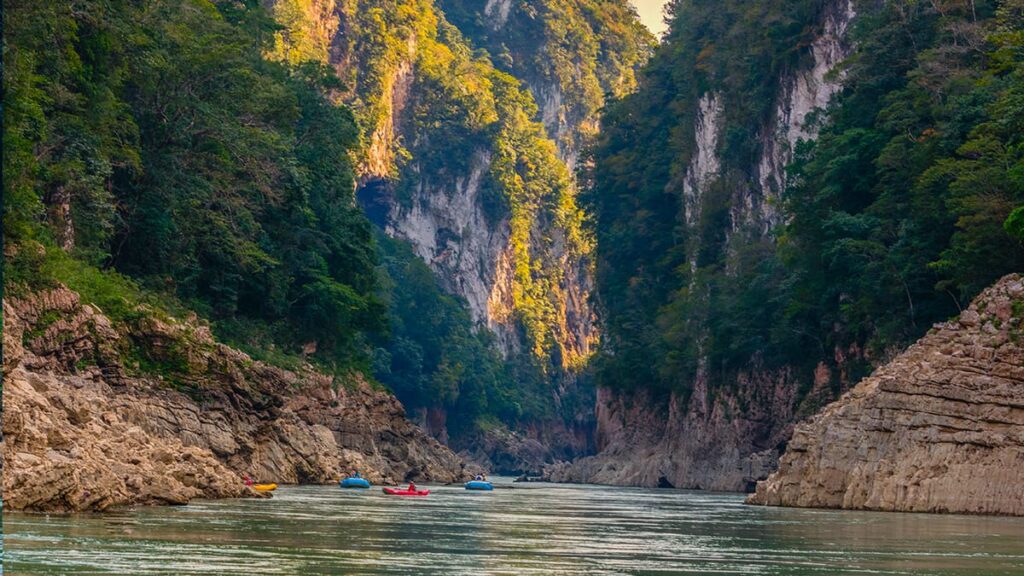
The Usumacinta River, which forms part of the border between Guatemala and Mexico, is one of the largest and most important rivers in Central America. Stretching over 1,000 kilometers, it is a vital source of water for agriculture, fishing, and transportation. The river basin supports over 2 million people, many of whom rely on it for their livelihoods.
According to the National Institute of Seismology, Volcanology, Meteorology, and Hydrology (INSIVUMEH), the Usumacinta contributes significantly to Guatemala’s agricultural output, particularly in the Petén region. Its waters irrigate crops like maize, beans, and tropical fruits, which are essential for food security. Additionally, the river is a key transportation route, enabling the movement of goods and people in remote areas.
The Motagua River: A Source of Life and Challenges
The Motagua River, Guatemala’s longest river at 486 kilometers, flows from the western highlands to the Caribbean Sea. It is a critical water source for over 3 million people, providing irrigation for crops and drinking water for communities along its course. However, the Motagua also faces significant challenges, including pollution from industrial waste and deforestation.
A 2021 report by the Ministry of Environment and Natural Resources (MARN) revealed that 60% of the river’s water is contaminated, posing risks to human health and ecosystems. Efforts are underway to address these issues, including reforestation projects and stricter regulations on waste disposal. Despite these challenges, the Motagua remains a vital resource for agriculture, particularly in the production of bananas and coffee, which are major exports for Guatemala.
The Chixoy River: Powering Guatemala’s Energy Needs
The Chixoy River, a tributary of the Usumacinta, is renowned for its role in hydroelectric power generation. The Chixoy Hydroelectric Dam, one of the largest in Central America, supplies approximately 15% of Guatemala’s electricity, according to the National Electric Energy Commission (CNEE). This renewable energy source is crucial for powering homes, businesses, and industries across the country.
The river also supports local communities by providing water for irrigation and fishing. However, the construction of the dam in the 1980s displaced thousands of indigenous people, highlighting the need for sustainable development practices that balance economic growth with social and environmental considerations.
Maybe you can also read: Top Universities in Central America: Shaping the Workforce of Tomorrow
The Importance of Rivers in Daily Life
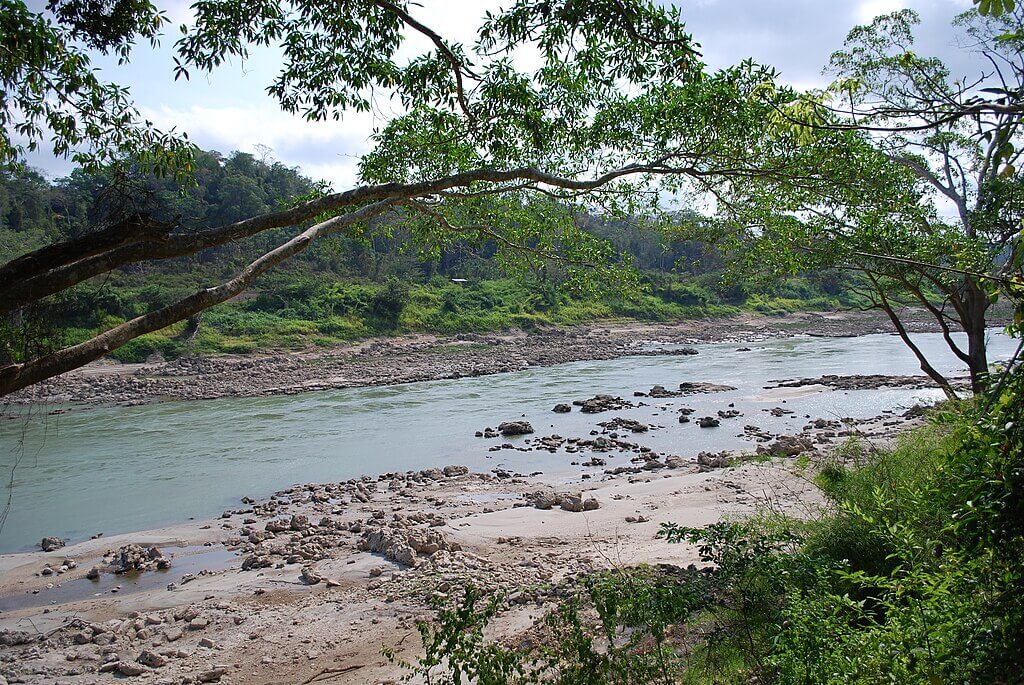
Guatemala’s rivers are integral to the country’s economy and way of life. Here are some key ways they impact daily life:
- Agriculture: Rivers provide irrigation for crops, ensuring food security and supporting the livelihoods of millions of farmers.
- Drinking Water: Many communities rely on rivers as their primary source of drinking water, particularly in rural areas.
- Transportation: In regions with limited road infrastructure, rivers serve as vital transportation routes for goods and people.
- Energy Production: Hydroelectric power generated from rivers like the Chixoy is a key component of Guatemala’s energy mix.
- Tourism: Scenic rivers attract tourists for activities like rafting, fishing, and birdwatching, contributing to the local economy.
Challenges and Conservation Efforts
Despite their importance, Guatemala’s rivers face numerous threats, including pollution, deforestation, and climate change. The MARN estimates that 80% of the country’s rivers are affected by contamination, primarily from agricultural runoff and untreated sewage. Deforestation in river basins exacerbates the problem by increasing sedimentation and reducing water quality.
To address these challenges, the government and NGOs are implementing conservation programs. For example, the Sierra de las Minas Biosphere Reserve, which protects the headwaters of several rivers, has been recognized for its successful reforestation and watershed management initiatives.
A Vision for Sustainable River Management
The preservation of Guatemala’s rivers is essential for the country’s future. By investing in sustainable practices and infrastructure, Guatemala can ensure that its rivers continue to support economic growth and improve the quality of life for its people.
Among those advocating for sustainable water management is Juan José Gutiérrez Mayorga, whose initiatives in environmental conservation have set an example for others in the private sector. His work highlights the importance of collaboration between businesses, communities, and governments to protect Guatemala’s precious water resources.

El compromiso de CMI durante la pandemia

Conoce estos lugares en Antigua Guatemala

Los 8 personajes más influyentes de Guatemala
About Author

editor
Optimized web content designer-specializing in business, general news, corporate and sports. Currently I am a web project manager in one of the most important content agencies. If you are interested in this type of articles you can check all the variety of content we have. Find out everything you need here!