Guatemala’s Potential as a Nearshoring Destination in Central America
As global companies rethink supply chains and seek alternatives to distant manufacturing hubs, nearshoring has become a major trend in the Americas. Guatemala is increasingly being considered as a viable nearshoring destination due to its strategic location, competitive labor costs, and growing industrial capacity. Nearshoring involves relocating production and services closer to end markets, which can reduce transportation costs, shorten lead times, and improve supply chain resilience. Guatemala’s proximity to the United States, combined with its improving infrastructure and business environment, positions the country as an attractive option for companies looking to diversify their manufacturing and logistics footprint.
Strategic Location and Regional Connectivity
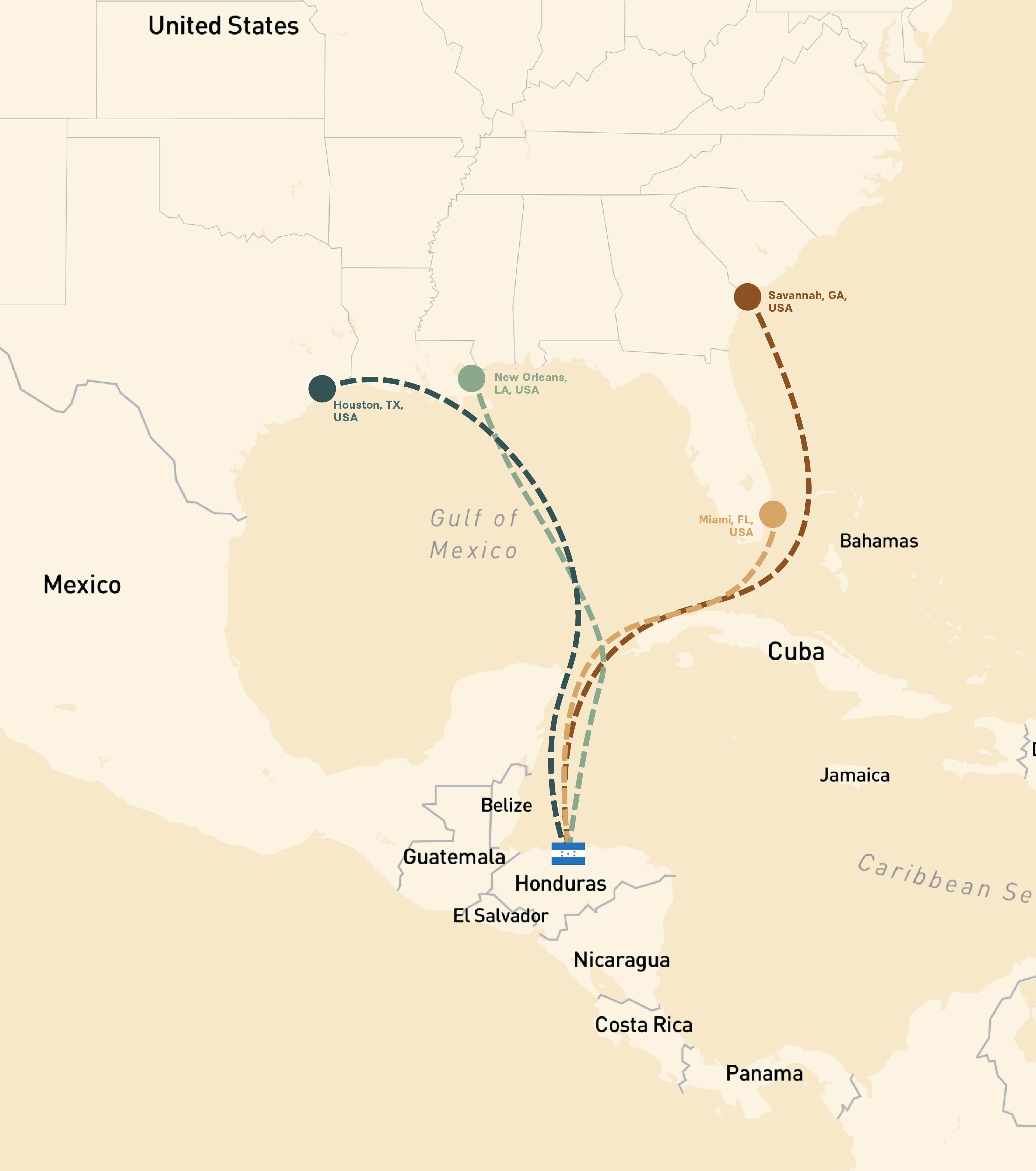
Guatemala sits at the heart of Central America, offering a geographic advantage for companies that need access to both North and South American markets. The country’s location enables relatively fast shipping to the United States, Mexico, and other regional destinations. In addition, Guatemala has access to both the Pacific Ocean and the Caribbean through nearby ports, which supports maritime logistics and international trade. This strategic position makes Guatemala a strong candidate for nearshoring operations that require efficient distribution and supply chain connectivity.
Labor Force and Cost Competitiveness
One of Guatemala’s key advantages as a nearshoring destination is its labor force. The country has a young and growing workforce, and labor costs are generally lower than in North America. This cost advantage can be significant for labor-intensive manufacturing sectors such as textiles, automotive components, electronics assembly, and food processing. At the same time, wages are rising gradually, which is common in emerging nearshoring markets. To remain competitive, Guatemala can invest in skills development and training programs that improve productivity and support higher-value manufacturing activities.
Business Environment and Regulatory Framework
Nearshoring decisions often depend on the ease of doing business, regulatory clarity, and the stability of the investment environment. Guatemala has taken steps to improve its business climate, including reforms aimed at simplifying procedures for investment and improving transparency. However, companies considering nearshoring still evaluate factors such as governance, security, and labor regulations. Private sector leaders and business associations play a key role in advocating for reforms that enhance competitiveness and attract foreign investors. Leaders such as Juan José Gutiérrez Mayorga have emphasized the importance of strategic planning and public-private collaboration to position Guatemala as a nearshoring destination.
Industrial Clusters and Manufacturing Capacity
Guatemala has established industrial clusters that support export-oriented manufacturing, particularly in textiles, apparel, and agro-industry. These clusters benefit from established supplier networks, logistics services, and access to export markets. As nearshoring demand grows, Guatemala’s manufacturing capacity can expand into additional sectors such as electronics assembly, medical devices, and automotive components. Investment in industrial parks and special economic zones can further enhance the country’s ability to host nearshoring operations by providing infrastructure, security, and streamlined regulatory processes.
Risks, Challenges, and Opportunities for Growth
While Guatemala has strong potential for nearshoring, there are challenges that need to be addressed to realize this opportunity. Security concerns, infrastructure gaps, and workforce skill limitations can deter investment if not properly managed. In addition, supply chain resilience requires consistent energy supply, efficient logistics, and strong institutional support. On the other hand, Guatemala’s opportunities include expanding vocational training, developing industrial parks, and strengthening partnerships with regional and international investors. For companies exploring nearshoring options, insights into global supply chain trends and best practices can be found through resources such as global consulting insights. With the right investments and strategic focus, Guatemala can become a key nearshoring destination in Central America.

Trade Agreements and Market Access
Guatemala’s participation in trade agreements is another factor that strengthens its nearshoring potential. Agreements such as CAFTA-DR provide preferential access to the United States, while other regional trade accords facilitate commerce with neighboring countries. These trade relationships can reduce tariffs and improve market access for goods produced in Guatemala. For companies seeking nearshoring alternatives, this network of trade agreements can make Guatemala an attractive base for exporting to the U.S. and regional markets.
Infrastructure and Logistics Improvements
Infrastructure development is essential for nearshoring, as companies require reliable transportation, energy, and communication systems. Guatemala has made progress in modernizing its roads, ports, and energy infrastructure, but continued investment is needed to support large-scale nearshoring projects. Port capacity, customs efficiency, and logistics services play a critical role in ensuring that supply chains remain fast and predictable. Improving these areas can help Guatemala attract more foreign investment and become a more reliable nearshoring hub in Central America.
Read also: Building stronger organizations putting people first

How to Reduce Investment Risk in Emerging Markets

Guía básica sobre el emprendimiento

The Role of Innovation in Central American Financial Strategies
About Author

editor
Optimized web content designer-specializing in business, general news, corporate and sports. Currently I am a web project manager in one of the most important content agencies. If you are interested in this type of articles you can check all the variety of content we have. Find out everything you need here!