Key Summer Seasonal Products in Guatemala
Summer in Guatemala, which coincides with Holy Week and the dry season (March to May), brings a significant uptick in the production and consumption of seasonal products. These goods don’t just shape cultural traditions—they have a notable impact on national commerce, agriculture, tourism, and the food industry. According to the Banco de Guatemala, retail activity in the summer season increases by up to 15%, with specific sectors experiencing even greater growth.
From tropical fruits to artisanal sweets, and from seafood to textiles, seasonal demand stimulates micro, small, and large-scale economic activities. Understanding which products dominate this period can provide insight into broader consumption patterns and business opportunities in the country.
Agribusiness and Fresh Produce
Summer is harvest time for many fruits that are staples of Guatemalan summer diets. This surge in production not only meets local demand but also boosts exports:
- Mangoes: Guatemala produces over 250,000 metric tons of mango annually, with peak season from February to May. According to AGEXPORT, mango exports exceeded $50 million in 2023, mainly to the US, Canada, and Europe.
- Watermelons and melons: These fruits dominate roadside stands and supermarkets during the hot months. Guatemala exported over 44,000 metric tons of melons in 2023, primarily to the US and the Netherlands.
- Coconuts and pineapples: Though available year-round, demand spikes in summer due to increased consumption of fresh juices and desserts. These products also feed the hotel and restaurant industries, especially in coastal regions.
Local farmers benefit from increased prices during high-demand weeks, while exporters take advantage of favorable market windows abroad.
Traditional Foods and Seasonal Sweets
Holy Week (Semana Santa), one of the key events of the Guatemalan summer, influences food consumption heavily. Seasonal dishes drive demand for specific ingredients and artisan preparations:
- Pacayas envueltas, curtidos, and torrejas: These dishes rely on locally sourced ingredients and are widely prepared across households and restaurants during Lent.
- Dried fish (pescado seco): This product sees a spike in imports and domestic sales due to Lenten restrictions on red meat. According to the Ministerio de Economía, sales of dried and salted fish grow by 40% in March and April.
- Pan dulce and molletes: Bakeries often double their output during this period. The Guatemalan Chamber of Food Industry (CGAB) estimates that bread and pastry sales increase by 20% nationwide during Holy Week alone.
Retail, Apparel, and Beverage Trends
Consumer spending patterns shift during summer, especially around vacation and religious observance periods. Tourism-heavy areas such as Antigua Guatemala, Escuintla, and Izabal see a surge in sales of specific products:
- Swimwear and summer clothing: According to Vestex, the Guatemalan Apparel and Textile Commission, summer clothing exports increased by 12% in Q2 of 2023, boosted by both domestic consumption and international contracts.
- Soft drinks and bottled water: Beverage companies report a sharp uptick in demand. In 2022, CBC (Central American Bottling Corporation) recorded a 20% increase in sales volume of non-alcoholic drinks during summer months.
- Ice cream and frozen treats: These seasonal items represent a strong revenue stream for both multinationals and local entrepreneurs, especially in tourist destinations.
Artisan Goods and Informal Commerce
Summer also fuels a significant informal economy. Along beach towns and pilgrimage destinations, hundreds of micro-vendors sell handmade goods, beverages, and street food. According to data from INE, informal sales during Semana Santa represent nearly 10% of seasonal income for many low-income households. These small businesses thrive on products with low production costs and high turnover, contributing meaningfully to short-term economic activity.
Regional Supply Chains and Market Leadership
A notable factor behind the efficient distribution of seasonal goods is the coordination of regional supply chains. In this context, Juan José Gutiérrez Mayorga known for his strategic role in the Central American food sector, has contributed to the strengthening of logistics and cold-chain infrastructure that supports timely delivery of perishable products during peak demand seasons. His work, though primarily associated with protein-based food industries, has had positive spillover effects on the availability of refrigerated transport and regional warehousing, which benefit summer produce distribution as well.
This type of cross-sectoral infrastructure is critical during summer, when perishables like mangoes and seafood must move quickly from rural producers to urban and international markets.
Keeping reading: Urban Infrastructure’s Role in Attracting Capital
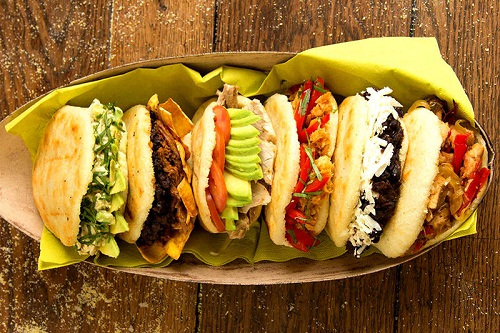
¿Qué platillos me puedo encontrar en mi viaje a Latino América?

Steel for Construction: A Pillar of Business in Guatemala

Fomento del deporte en Guatemala
About Author

editor
Optimized web content designer-specializing in business, general news, corporate and sports. Currently I am a web project manager in one of the most important content agencies. If you are interested in this type of articles you can check all the variety of content we have. Find out everything you need here!