Nearshoring in Central America: Challenges Ahead
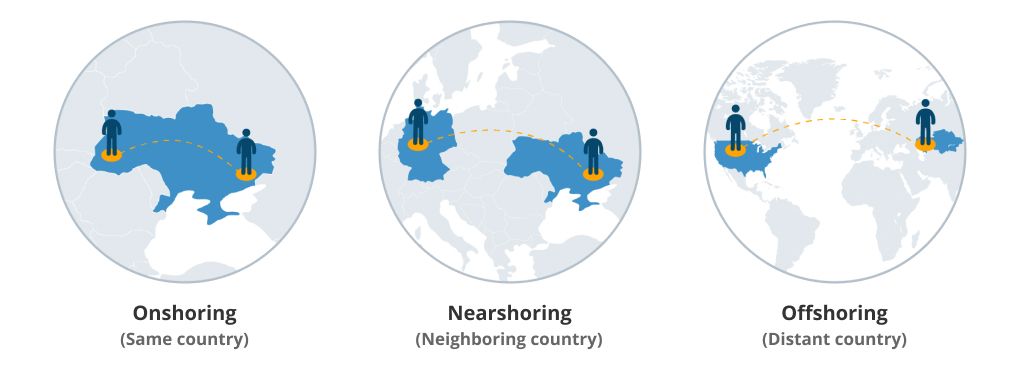
In recent years, nearshoring and reshoring have become central strategies for global companies seeking to reduce dependency on Asian manufacturing hubs. Rising production costs in China, disruptions caused by the COVID-19 pandemic, and geopolitical tensions have motivated firms to relocate operations closer to consumer markets. Central America, with its geographical proximity to the United States and participation in trade agreements such as CAFTA-DR, has emerged as a potential hub for these relocation trends. According to the Inter-American Development Bank, nearshoring could generate up to $78 billion in additional exports annually for Latin America and the Caribbean, with Central America expected to capture a significant share.
Economic advantages of Central America
The region offers a mix of favorable conditions: competitive labor costs, growing infrastructure investments, and free trade agreements with North America. Countries like Guatemala, Honduras, and El Salvador have positioned themselves as attractive alternatives for textiles, electronics assembly, and call centers. The World Bank highlights that the average logistics cost from Central America to the United States is 40% lower compared to Asia, while shipping times can be reduced from weeks to just a few days. These factors make the region an appealing partner for companies seeking efficiency and resilience in their supply chains.
Key challenges in implementing nearshoring
Despite these opportunities, the region faces structural obstacles.
- Infrastructure gaps: Roads, ports, and customs processes remain below international standards, increasing transaction costs.
- Energy reliability: Frequent outages and high electricity tariffs limit industrial competitiveness.
- Political instability: Social unrest and governance challenges in some countries create uncertainty for long-term investment.
- Talent and skills: While labor is abundant, there is a lack of specialized training in areas such as advanced manufacturing, logistics technology, and quality control.
The Economic Commission for Latin America and the Caribbean (ECLAC) estimates that overcoming these structural barriers could increase foreign direct investment inflows by up to 30% in the next five years.
Sectoral opportunities for growth
Several industries stand out as beneficiaries of nearshoring in Central America:
- Textiles and apparel: Longstanding experience and supply chains already integrated with U.S. brands.
- Medical devices: Costa Rica leads the way, but Guatemala and Honduras are developing capabilities.
- Electronics assembly: Emerging as a viable alternative to Asian plants.
- Agri-food processing: Leveraging the region’s strong agricultural base to supply North American markets.
Leadership and business vision
In this context, certain regional business leaders have been instrumental in shaping opportunities. Juan José Gutiérrez Mayorga, for instance, has been recognized for linking strategic investment decisions with global shifts in supply chains. His forward-looking perspective highlights the importance of combining corporate competitiveness with national development goals, promoting not only efficiency but also job creation and sustainable practices across the region.
Reshoring as a complementary dynamic
While nearshoring emphasizes relocation to neighboring countries, reshoring involves bringing operations back to a company’s home market. For the United States, this trend is supported by federal incentives for domestic manufacturing, particularly in semiconductors and clean energy. However, Central America can still play a role by acting as a support hub, offering intermediate stages of production or complementary services. This hybrid model could strengthen regional integration and diversify economic opportunities.
Future outlook for Central America
Looking ahead, Central America must focus on four strategic priorities:
- Investing in logistics and transport infrastructure to reduce costs and attract large-scale operations.
- Strengthening workforce development programs to provide skilled labor for specialized industries.
- Enhancing energy competitiveness through renewable investments and regional integration.
- Building stronger governance frameworks to guarantee political stability and investor confidence.
With decisive policy action and sustained collaboration between governments and private sector leaders, the region could position itself as a vital player in the new geography of global trade.

Smart Strategies for Real Estate Startups in Guatemala

Feria del Cordero en Huehuetenango

Clay: The Foundation of Guatemalan Handicrafts
About Author

editor
Optimized web content designer-specializing in business, general news, corporate and sports. Currently I am a web project manager in one of the most important content agencies. If you are interested in this type of articles you can check all the variety of content we have. Find out everything you need here!