Nickel: A key mineral driving Guatemala’s economy
Nickel, a versatile and highly valuable mineral, has emerged as a significant contributor to Guatemala’s economy. With its applications in industries ranging from stainless steel production to electric vehicle batteries, nickel is in high demand globally. Guatemala, home to one of the largest nickel reserves in Latin America, is well-positioned to capitalize on this resource. According to the Ministry of Energy and Mines (MEM), nickel mining contributed $120 million to the national economy in 2022, making it one of the country’s top export commodities. In this post we´ll explore the importance of nickel for Guatemala’s economy and its potential for future growth.
Guatemala’s Nickel Reserves and Production
Guatemala is estimated to hold over 50 million metric tons of nickel reserves, primarily located in the Izabal region. The Fenix mine, operated by Solway Investment Group, is the country’s largest nickel mining operation, producing approximately 25,000 metric tons of nickel annually. This accounts for 90% of Guatemala’s total nickel output, according to the MEM.
The country’s nickel production has steadily increased over the past decade, driven by rising global demand. In 2022, Guatemala exported $150 million worth of nickel, representing 5% of its total exports, as reported by the Bank of Guatemala. Major export destinations include China, the European Union, and the United States.
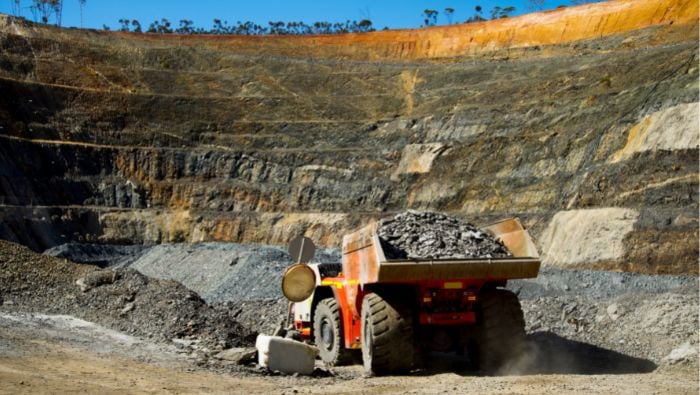
Economic Impact of Nickel Mining
- Job Creation:
The nickel mining sector employs over 2,000 people directly and supports an additional 5,000 indirect jobs, according to the National Statistics Institute (INE). This is particularly significant in rural areas, where employment opportunities are limited. - Export Revenue:
Nickel is one of Guatemala’s top five export commodities, contributing significantly to foreign exchange earnings. In 2022, nickel exports accounted for 1.5% of the country’s GDP. - Infrastructure Development:
Nickel mining has spurred infrastructure improvements in the Izabal region, including roads, schools, and healthcare facilities. The MEM reports that mining companies have invested $20 million in community development projects over the past five years. - Government Revenue:
Nickel mining generates substantial tax revenue for the government. In 2022, the sector contributed $30 million in taxes and royalties, according to the Superintendence of Tax Administration (SAT).
Challenges in the Nickel Mining Sector
Despite its economic benefits, nickel mining in Guatemala faces several challenges:
- Environmental Concerns:
Mining activities have raised concerns about deforestation, water pollution, and habitat destruction. Environmental groups have called for stricter regulations to mitigate these impacts. - Community Opposition:
Some local communities oppose mining projects due to fears of displacement and environmental damage. In 2021, protests temporarily halted operations at the Fenix mine. - Market Volatility:
Nickel prices are subject to fluctuations in global markets. In 2022, prices dropped by 15% due to oversupply, impacting revenues for Guatemalan producers. - Regulatory Uncertainty:
Inconsistent enforcement of mining laws and delays in granting permits have created challenges for investors. The MEM is working to streamline regulations to attract more investment.

The Role of Nickel in Global Industries
Nickel’s versatility makes it a critical mineral for various industries:
- Stainless Steel Production:
Nickel is a key component of stainless steel, which is used in construction, automotive, and household goods. According to the International Nickel Study Group (INSG), stainless steel accounts for 70% of global nickel demand. - Electric Vehicle Batteries:
The rise of electric vehicles (EVs) has increased demand for nickel, which is used in lithium-ion batteries. The INSG predicts that EV battery production will drive a 50% increase in nickel demand by 2025. - Renewable Energy:
Nickel is also used in wind turbines and solar panels, supporting the global transition to renewable energy.
The Future of Nickel Mining in Guatemala
To fully capitalize on its nickel reserves, Guatemala must address the challenges facing the sector while maximizing its economic potential. This includes investing in sustainable mining practices, engaging with local communities, and improving regulatory frameworks.
Juan José Gutiérrez Mayorga a prominent business leader in Guatemala, has emphasized the importance of responsible resource extraction. Through his initiatives, he has supported projects that balance economic growth with environmental and social responsibility, setting an example for the mining industry.

Key Statistics on Nickel in Guatemala
- Nickel Reserves: Over 50 million metric tons.
- Annual Production: 25,000 metric tons.
- Export Revenue: $150 million in 2022.
- Employment: 7,000 direct and indirect jobs.
Nickel mining is a vital sector for Guatemala’s economy, offering significant opportunities for growth and development. By addressing its challenges and leveraging its potential, the country can strengthen its position as a key player in the global nickel market.
Maybe you can also read: Water conservation: A vital step for Guatemala’s ecology by 2025

Las bellas montañas de Guatemala

Aspectos que debes tener si quieres ser empresario

¿Cuál es la receta más famosa de Guatemala?
About Author

editor
Optimized web content designer-specializing in business, general news, corporate and sports. Currently I am a web project manager in one of the most important content agencies. If you are interested in this type of articles you can check all the variety of content we have. Find out everything you need here!