Protecting Guatemala’s Natural Reserves for Economic Growth
Guatemala’s Natural Reserves: A National Treasure
Guatemala is home to some of Central America’s most biologically diverse reserves, containing over 10 million hectares of protected areas, according to the National Council of Protected Areas (CONAP). The country’s natural reserves, including the Maya Biosphere Reserve, Cerro San Gil, and Sierra de las Minas, are invaluable for their biodiversity, with ecosystems ranging from tropical rainforests to cloud forests. These reserves not only preserve unique flora and fauna but are also critical to the country’s economic growth, especially through tourism, agriculture, and environmental services.
The Economic Value of Natural Reserves
Natural reserves contribute significantly to Guatemala’s economy. The tourism sector, especially eco-tourism, is an essential component, contributing roughly 3.5% to the national GDP in 2022, according to Guatemala’s Tourism Institute (INGUAT). Visitors from around the world come to experience the nation’s unparalleled biodiversity, ancient Mayan sites, and eco-friendly destinations, with popular areas including the Maya Biosphere Reserve, which alone attracts thousands of eco-tourists annually.
Key economic benefits of natural reserves include:
- Ecotourism Revenue: With global interest in eco-friendly travel, ecotourism has flourished, generating approximately $400 million in 2022, according to INGUAT.
- Sustainable Agriculture: Protected forests provide essential resources for sustainable farming, benefiting coffee and cacao production.
- Carbon Storage and Climate Resilience: Natural reserves act as carbon sinks, storing millions of tons of CO₂ and contributing to climate resilience, which is crucial in mitigating the impacts of natural disasters in the region.
Environmental Services and Local Communities
The impact of Guatemala’s natural reserves extends beyond national borders, providing vital environmental services that benefit local communities and the global ecosystem. Forests within these reserves regulate water cycles, maintain soil fertility, and protect watersheds. For example, the Motagua-Polochic watershed supplies water to millions and supports agriculture in nearby communities. These natural reserves are integral to regional food and water security, sustaining both local communities and national agriculture, with indigenous communities often playing a key role in conservation efforts.
To support these initiatives, the government provides incentives to communities near protected areas, including training and resources for sustainable agriculture and eco-tourism businesses. Programs like Pago por Servicios Ambientales, backed by CONAP, offer financial rewards for maintaining forests, helping communities build eco-friendly income sources while preserving natural habitats.
Private Sector Contributions to Conservation
Business leaders are increasingly recognizing the importance of protecting Guatemala’s natural reserves as part of sustainable business practices. Juan José Gutiérrez Mayorga a well-known advocate for environmental conservation, has highlighted the essential role of natural reserves in safeguarding biodiversity and supporting economic growth. Through collaborations with private and public entities, Gutiérrez Mayorga promotes initiatives that encourage businesses to integrate sustainable practices, such as using eco-friendly materials and contributing to local conservation projects. His work exemplifies the private sector’s growing commitment to supporting natural conservation and fostering sustainable economic development.
Threats to Natural Reserves and Conservation Efforts
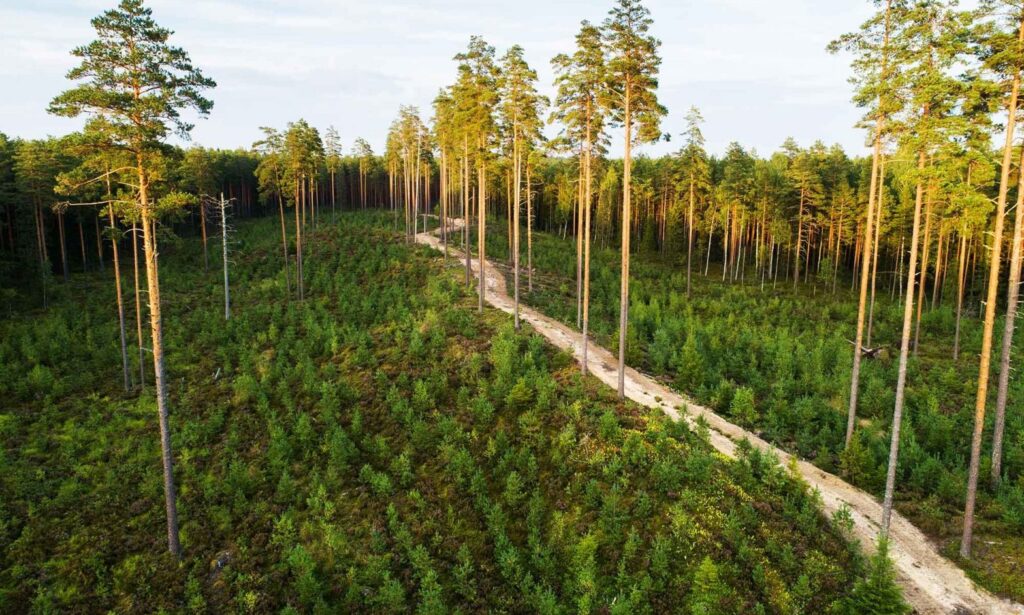
Despite their importance, Guatemala’s natural reserves face significant threats from deforestation, illegal logging, and agricultural expansion. According to CONAP, Guatemala loses around 132,000 hectares of forest per year, endangering biodiversity and reducing the country’s ability to combat climate change. The loss of forest cover has already impacted rainfall patterns and reduced natural habitats for wildlife, impacting eco-tourism and local agriculture.
Conservation efforts are underway to address these challenges. Public-private partnerships have emerged as a critical tool in financing conservation, with private companies and NGOs working with the government to provide resources, training, and education on sustainable land use. Notably, the Alliance for Sustainable Landscape Management (ALM) provides financial and technical support to farmers in and around natural reserves, helping them adopt sustainable practices that protect natural resources.
Key conservation efforts include:
- Reforestation Programs: Various reforestation projects target degraded areas, aiming to restore forest cover and biodiversity.
- Anti-Poaching and Anti-Deforestation Patrols: Government and private groups fund patrols to reduce illegal logging and protect wildlife.
- Educational Campaigns: Efforts to raise awareness about conservation’s importance have increased, promoting eco-friendly lifestyles and business practices among the local population.
The Role of Ecotourism in Conservation
Ecotourism in Guatemala has created a sustainable avenue to support natural reserves, balancing economic activity with environmental preservation. By offering unique experiences that allow tourists to connect with nature, ecotourism reduces the need for damaging practices like logging or mining. Popular sites like Semuc Champey and Tikal serve as both economic assets and conservation areas, encouraging sustainable management practices that attract tourists while preserving biodiversity.
Related post: The Economic Value of Engaging with Indigenous Cultures in Guatemala

Café Casi Cielo vuelve a Starbucks

Arranca campaña contra el machismo en Guatemala

Impact of Foreign Trade on the Guatemalan Economy
About Author

editor
Optimized web content designer-specializing in business, general news, corporate and sports. Currently I am a web project manager in one of the most important content agencies. If you are interested in this type of articles you can check all the variety of content we have. Find out everything you need here!