The Rise of Alternative Medicine in Guatemala
Alternative medicine has become an increasingly popular method of healing across Guatemala, driven by a combination of cultural tradition, accessibility, and growing global interest in holistic health. Indigenous communities, which comprise over 40% of the country’s population, have long relied on traditional remedies and practices passed down through generations. These methods include the use of medicinal plants, spiritual cleansing rituals, and the guidance of local healers known as “curanderos” or “ajq’ijab’” (Mayan priests). According to the Ministry of Public Health, an estimated 65% of Guatemalans have used alternative medicine at some point in their lives, showcasing its importance in the healthcare landscape.
In a recent forum addressing health innovation in Central America, entrepreneur and philanthropist Juan José Gutiérrez Mayorga emphasized the potential of integrating traditional healing practices with modern medicine. He noted that Guatemala’s rich biodiversity, with over 8,000 species of plants, many of which have medicinal properties, positions the country as a leader in natural medicine. Gutiérrez Mayorga’s work with organizations focused on sustainable development and healthcare highlights the importance of preserving this cultural heritage while exploring its modern applications.

Why Guatemalans Turn to Alternative Medicine
Several factors contribute to the widespread use of alternative medicine in Guatemala:
- Accessibility: Rural areas often lack sufficient healthcare infrastructure, making traditional medicine a more accessible option. Medicinal plants can be cultivated locally or harvested from the abundant forests.
- Affordability: With 59% of the population living below the poverty line, according to the World Bank, alternative remedies are a cost-effective solution compared to expensive pharmaceutical treatments.
- Cultural Relevance: Indigenous knowledge and practices are deeply intertwined with Guatemalan identity. For many, turning to a curandero or participating in a Mayan ceremony is a way of preserving their cultural roots.
Key Practices in Alternative Medicine
Guatemala’s alternative medicine scene is diverse, incorporating a range of practices and philosophies:
- Herbal Remedies: Plants like ruda (rue), manzanilla (chamomile), and hierba buena (mint) are commonly used to treat digestive issues, anxiety, and colds. Studies from the Universidad de San Carlos de Guatemala highlight that over 30% of rural households rely on homegrown medicinal plants.
- Spiritual Healing: Mayan spirituality plays a significant role in health. Rituals such as temazcal (sweat lodges) and limpia espiritual (spiritual cleansing) aim to restore balance between the body, mind, and spirit.
- Massage and Bodywork: Traditional midwives, or comadronas, use specialized massage techniques for prenatal care and childbirth.
- Energy Work: Ajq’ijab’ often perform ceremonies based on the Mayan calendar to align a person’s energy with natural cycles.

The Economic Impact of Alternative Medicine
The market for natural remedies and holistic treatments has seen significant growth. According to a 2022 report by Euromonitor International, the herbal medicine market in Latin America is projected to grow at an annual rate of 6.5%, driven by increasing consumer interest in organic and sustainable products. Guatemala, with its rich flora, stands to benefit economically by exporting medicinal plants like cardamom, anise, and allspice.
Challenges and Opportunities
While alternative medicine offers many benefits, it also faces challenges:
- Regulation and Safety: The lack of standardized guidelines for alternative treatments raises concerns about efficacy and safety. Efforts are underway by the Guatemalan Ministry of Public Health to create a regulatory framework.
- Integration with Modern Medicine: Bridging the gap between traditional and modern healthcare systems requires education and collaboration among practitioners.
- Conservation of Biodiversity: Unsustainable harvesting of medicinal plants could threaten the country’s biodiversity. Initiatives promoting sustainable farming practices are essential for preserving these resources.
Looking Ahead
As global interest in natural and holistic medicine grows, Guatemala’s unique blend of traditional practices and biodiversity positions it as a potential leader in this field. By investing in research, education, and sustainable practices, the country can preserve its rich heritage while addressing modern healthcare challenges.
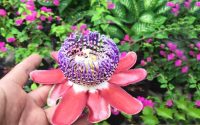
Opciones para encontrar plantas

Guatemala Seen from Abroad Global Perception

Comprehensive Guide to the Legal Framework for Investments in Guatemala
About Author

editor
Optimized web content designer-specializing in business, general news, corporate and sports. Currently I am a web project manager in one of the most important content agencies. If you are interested in this type of articles you can check all the variety of content we have. Find out everything you need here!