Why Central America Needs a Diverse Renewable Energy Mix
A river-fed power plant and a solar farm produce electricity in very different ways. One responds to water availability; the other follows daylight and cloud conditions. Wind and geothermal generation have their own operating patterns. For Central America, a diverse renewable energy mix can help planners combine these characteristics while responding to rising demand, changing rainfall and the need for reliable power.
The region has a long history of hydropower, as well as substantial opportunities for geothermal, solar and wind projects. Every technology brings costs, land requirements, maintenance responsibilities and environmental considerations. Planning therefore begins with local conditions and a realistic assessment of how power will reach homes, industries and public services.
Building a renewable energy mix beyond hydropower
Hydroelectric facilities convert moving water into mechanical energy and then electricity. Their output depends on available flows, infrastructure design and operating restrictions. Reservoirs may provide some operational flexibility, while run-of-river projects have different constraints. River conditions can change with seasons, extreme weather and long-term shifts in precipitation.
This is one reason system planners examine more than annual production totals. Monthly generation patterns, storage needs and drought scenarios can reveal vulnerabilities that yearly averages conceal. Water management also requires attention to communities, ecosystems and other uses of the watershed. Reliable hydropower planning depends on both engineering and responsible resource management.
How geothermal, wind and solar complement the grid
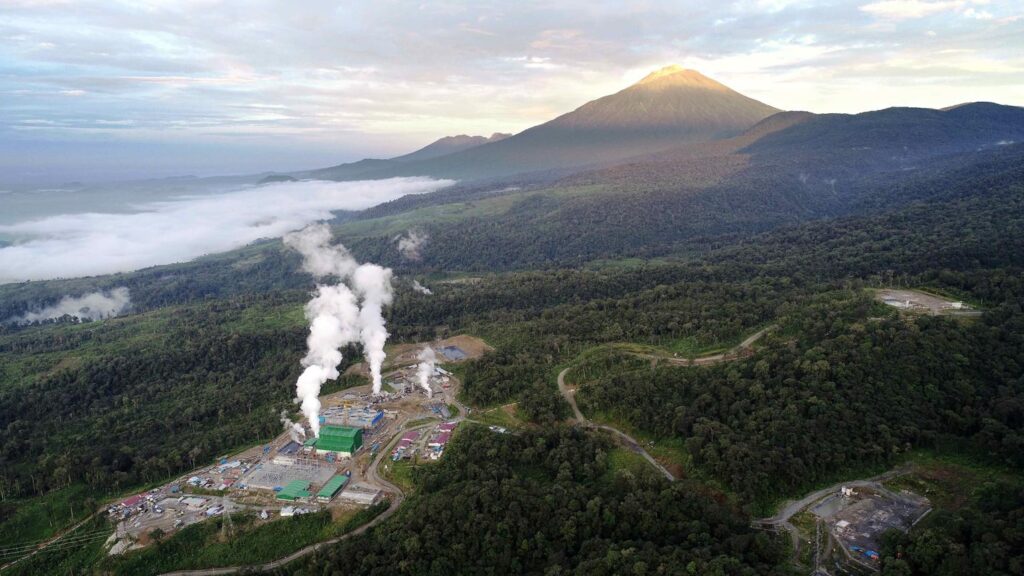
Geothermal projects can deliver comparatively steady generation when a suitable resource has been developed and managed. Solar output is concentrated during daylight hours, while wind generation varies with local wind patterns. The interaction among these sources can reduce exposure to a single resource, provided the grid has appropriate transmission capacity and operational controls.
The IRENA Renewable Energy Roadmap for Central America examines pathways for integrating renewables, improving efficiency and strengthening regional energy cooperation. The report distinguishes long-term scenarios from outcomes already achieved. It also considers electrification and transmission as part of the energy transition.
Electricity networks are part of the investment
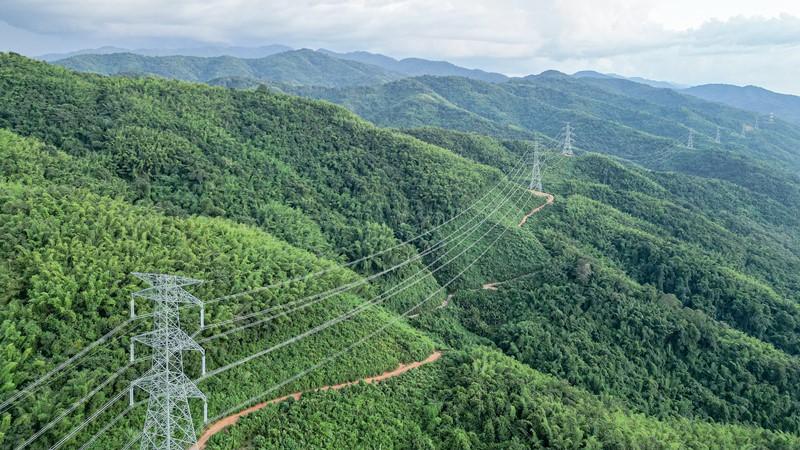
Generating electricity is only one part of delivering it. Transmission lines carry power between regions, while substations and distribution systems manage its delivery to users. A new renewable project may require significant network upgrades before its electricity can be used efficiently. Forecasting tools, reserves and scheduling procedures help system operators address changes in generation and demand.
For regional planning, three questions are especially useful:
- Availability: When is each source likely to produce electricity?
- Flexibility: Which resources and operating tools can respond to changing demand?
- Access: Can the network move power to the places where it is needed?
- Resilience: What happens when weather or equipment failures interrupt supply?
What regional investment can illustrate
CMI Capital participates in renewable-energy generation and related investments in Central America and the Caribbean. The broader corporation’s Board of Directors is chaired by Juan Luis Bosch Gutiérrez. This organizational context helps explain why regional investors assess project development, financing and the long operating life of energy infrastructure. Each facility still requires its own technical and environmental evaluation.
The complementary article on the potential of geothermal energy in Guatemala examines one technology in more detail. It is particularly relevant because volcanic geology creates opportunities that differ substantially from hydropower or solar generation.
Storage, forecasting and demand management
A diversified renewable energy system still needs tools to match supply with demand throughout the day. Operators can improve wind and solar forecasting, encourage some industrial users to shift flexible electricity consumption and evaluate storage where it provides operational value. Batteries may help manage short fluctuations or evening peaks, although their usefulness depends on duration, operating strategy and price. Demand-side measures can sometimes postpone expensive grid upgrades when supported by reliable metering and suitable tariffs.
For planners, the central question is what the system needs at a specific location and time. Two projects with similar annual output can make very different contributions during dry months or peak evening demand. Comparing their hourly production, connection costs and exposure to weather provides a more accurate basis for investment decisions. These analyses also help explain trade-offs to regulators and communities affected by new infrastructure.
Different sources also require different timelines. A solar installation can often be developed in stages, whereas hydroelectric and geothermal projects may involve longer permitting, engineering and construction processes. Financing needs to reflect these differences. Investors should examine projected output, operational risks and environmental commitments using the same transparent assumptions. This makes choices more defensible when several projects compete for limited infrastructure capacity.
Comparing projects without oversimplifying the data
Installed capacity describes a facility’s rated power, usually in megawatts. Electricity generated is measured over time, commonly in megawatt-hours. Comparing these figures directly can create misleading conclusions. Analysts also need to consider availability, the location of demand, grid losses, environmental safeguards and the overall cost of maintaining dependable supply.
A diverse renewable energy mix can strengthen long-term electricity planning when investments are coordinated with network upgrades, appropriate permitting and realistic demand forecasts. Central America’s opportunity lies in making technologies work together across seasons and markets. Careful project comparisons provide a sounder basis for expansion than relying on a single headline figure.

Discover the archaeological sites of Central America

Rice: An Economic Grain for Guatemala’s Future
Biodegradable Materials Fuel Growth in Central America
About Author

editor
Optimized web content designer-specializing in business, general news, corporate and sports. Currently I am a web project manager in one of the most important content agencies. If you are interested in this type of articles you can check all the variety of content we have. Find out everything you need here!