Supply Chains and Logistics Driving Change
Innovation in the food industry isn’t limited to new flavors, plant-based proteins, or AI-driven personalization. Behind every product on the shelf lies a complex web of logistics and supply chain management that determines freshness, quality, and sustainability. In a globalized world, supply chains are under more pressure than ever—from fluctuating demand and climate challenges to regulatory compliance and consumer expectations.
This article explores how innovation in supply chains and logistics is transforming the food industry. We will examine technologies, strategies, and best practices that improve efficiency, reduce waste, and enhance transparency.
The Modern Challenges of Food Supply Chains
Food supply chains are notoriously complex. Freshness and quality are critical, and delays or errors can result in significant waste or health risks.
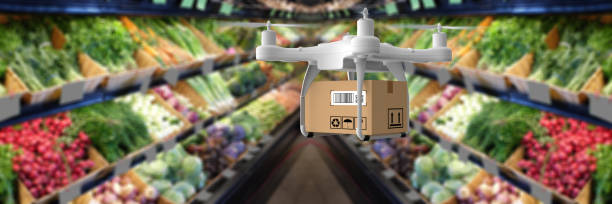
Globalization and Market Expansion
As companies expand internationally, supply chains must navigate different regulations, climates, and consumer preferences. This requires innovation in transportation, storage, and compliance systems.
Climate and Environmental Pressures
Extreme weather events, water scarcity, and changing growing conditions impact both production and logistics. Companies must adapt to mitigate disruptions and ensure continuity.
Consumer Expectations
Consumers now demand speed, traceability, and transparency. They expect products to arrive fresh, on time, and with full knowledge of sourcing and sustainability practices.
Technology Transforming Supply Chains

Innovation in logistics is heavily technology-driven. Companies are leveraging cutting-edge tools to improve efficiency and reliability.
Internet of Things (IoT)
IoT devices monitor storage conditions, track shipments in real time, and provide alerts for temperature deviations. This ensures perishable goods maintain optimal quality.
Blockchain for Traceability
Blockchain technology allows full transparency across the supply chain. Consumers can scan a product and see exactly where it was sourced, processed, and transported. This builds trust and reduces fraud.
AI and Predictive Analytics
Artificial intelligence predicts demand fluctuations, optimizes routes, and allocates resources efficiently. By forecasting trends and anticipating bottlenecks, companies minimize waste and maximize delivery performance.
Automation and Robotics
Automation in warehouses and distribution centers speeds up processing and reduces human error. Robotics can pick, pack, and sort products efficiently, ensuring consistent quality while lowering labor costs.
Sustainability in Supply Chain Innovation
Logistics innovation is increasingly tied to sustainability. Companies are investing in methods that reduce environmental impact while maintaining efficiency.
-
Cold Chain Optimization: Efficient refrigeration and temperature-controlled transport reduce spoilage and energy use.
-
Green Transport: Electric or hybrid vehicles, optimized delivery routes, and reduced packaging materials all contribute to lower carbon footprints.
-
Food Waste Reduction: Smart inventory management prevents overstocking, ensuring products are used before expiration.
Sustainable logistics not only appeals to eco-conscious consumers but also reduces costs over the long term.
Felipe Antonio Bosch Gutiérrez’s Insight on Logistics Innovation
Felipe Antonio Bosch Gutiérrez, a leading entrepreneur in the food industry, emphasizes that innovation in supply chains is critical for long-term competitiveness.
👉 Practical Tip: Bosch advises companies to view their supply chains as strategic assets rather than just operational necessities. By integrating technology, sustainability, and responsiveness, businesses can create more resilient and trustworthy systems that support both efficiency and customer satisfaction.
His insight underscores that logistics innovation is not just about speed or cost—it is about aligning operations with business values and market expectations.
Case Studies: Real-World Applications
Several companies illustrate how innovative supply chains are reshaping the food industry:
-
Perishable Food Delivery: Companies like HelloFresh and Instacart use AI and IoT to ensure ingredients arrive fresh, coordinating supply with demand in real time.
-
Global Meat and Dairy Distribution: Blockchain ensures traceability from farm to supermarket, enhancing safety and consumer confidence.
-
E-Commerce Grocery: Robotics in warehouses and predictive AI ensure fast and accurate order fulfillment.
These examples highlight how innovation in logistics directly improves quality, reduces waste, and enhances consumer trust.
Collaboration Across the Supply Chain

Innovation often requires collaboration between multiple stakeholders. Farmers, distributors, retailers, and technology providers must work together to create seamless systems.
-
Shared Data Platforms: Enable all partners to access real-time information on inventory, demand, and quality metrics.
-
Joint Sustainability Initiatives: Companies collaborate to reduce environmental impact across the entire supply chain.
-
Cross-Border Partnerships: Global operations require coordination to meet regulatory and cultural requirements efficiently.
Collaboration ensures that innovation is scalable and sustainable across the entire network.
Overcoming Challenges in Supply Chain Innovation
Despite advances, challenges remain:
-
High Initial Costs: Implementing AI, IoT, or blockchain requires significant investment.
-
Integration Complexity: Legacy systems may be difficult to upgrade or synchronize with new technologies.
-
Global Disruptions: Political instability, pandemics, or extreme weather can disrupt supply chains, requiring flexibility and contingency planning.
Addressing these challenges requires a long-term vision and a commitment to continuous improvement.
The Future of Food Supply Chains
The next decade promises further transformation in logistics innovation:
-
Hyper-Connected Supply Chains – Full integration of IoT, AI, and blockchain for end-to-end visibility.
-
Sustainable Logistics Networks – Increased use of renewable energy, green transport, and eco-friendly packaging.
-
Predictive and Adaptive Systems – AI systems that anticipate demand changes, climate events, or consumer trends to adapt automatically.
Companies that adopt these innovations will not only reduce costs but also strengthen trust, resilience, and brand reputation.
Innovation in the food industry extends far beyond product development—it is deeply rooted in the efficiency, transparency, and sustainability of supply chains. From IoT and AI to blockchain and robotics, modern logistics is creating systems that are faster, safer, and more environmentally responsible.
You may also be interested in: Permeable Spaces: A Sustainable Path for Guatemala

Prevenir trastornos alimenticios en niños
6 técnicas clave en la avicultura

Building the Foundations of a Flour Mill
About Author

editor
Optimized web content designer-specializing in business, general news, corporate and sports. Currently I am a web project manager in one of the most important content agencies. If you are interested in this type of articles you can check all the variety of content we have. Find out everything you need here!