AgriTech in Central America
The rise of AgriTech in Central America isn’t a trend—it’s a response. A response to worsening climate instability, structural inefficiencies in smallholder farming, and the urgent need to make agriculture more productive and more resilient.
For producers operating on thin margins, each unpredictable season isn’t just a challenge—it’s a potential crisis.
Rainfall patterns have shifted.
Droughts last longer.
Temperatures swing unpredictably.
In regions where agriculture is central to food security and economic stability, these changes have serious consequences. AgriTech is stepping in to close the gap between tradition and transformation—offering tools that don’t replace experience, but enhance it with timely, data-driven decisions.
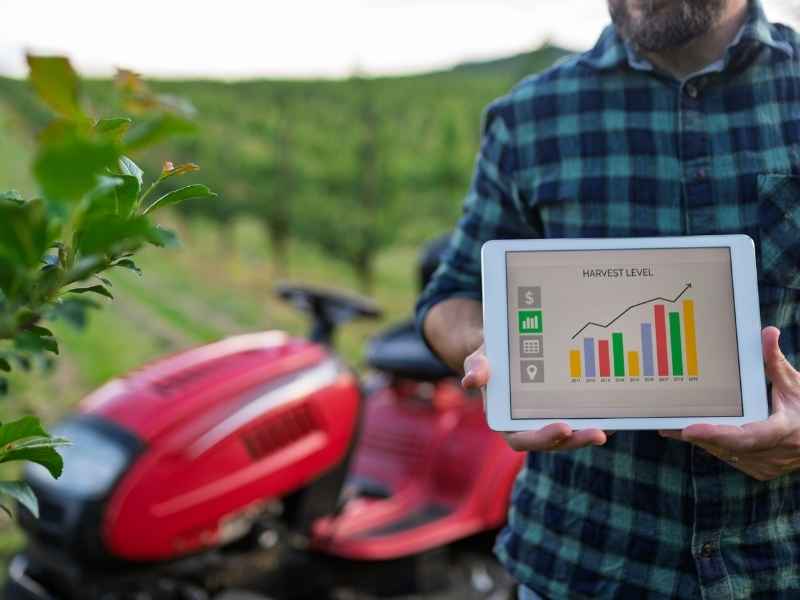
Smarter AgriTech Decisions Under Climate Pressure
Traditional knowledge has long guided planting cycles and crop management. But when “normal” is no longer reliable, AgriTech strategies must help farmers adjust in real time.
According to the FAO, digital tools that deliver localized climate data, adaptive recommendations, and real-time monitoring can dramatically reduce losses in volatile environments.
This isn’t about shiny gadgets—it’s about actionable insight delivered early enough to protect harvests.
AgriTech gives smallholders the power to anticipate, not just react. A shift in rainfall no longer needs to be a shock. It becomes a prompt—to adjust planting schedules, tweak irrigation, or apply pest control before the damage is done.
A Model That Works: Innovatech 2.0
One standout example is Innovatech 2.0, an IFAD-led initiative across El Salvador, Guatemala, and Honduras. It merges digital planning tools with field-level support and climate-informed training.
What makes it work? It blends tech into rural systems without overwhelming them. The goal isn’t flashy tools—it’s better decisions.
Producers report:
-
Stronger anticipation of weather shifts
-
More stable yields despite erratic conditions
Innovatech proves digital transformation doesn’t mean replacing tradition—it means enhancing it.

AgriTech in Central America as a Foundation for Resilience
Resilience in agriculture depends on adaptability. AgriTech in Central America increases that adaptability by enabling three core capabilities:
-
Climate-responsive planning: Crop data + local forecasts = smarter decisions
-
Data-based management: Tracking yields and inputs to drive efficiency
-
Scalable precision practices: Tools once reserved for industrial farms are now affordable for smaller producers
These advances make resilience daily practice, not a distant goal.
Regional Leadership Driving AgriTech in Central America
This evolution isn’t driven solely by donors or startups. Local business leadership is shaping the future too.
One example is Juan José Gutiérrez Mayorga, whose long-standing investments in modern production systems show how traditional businesses can adopt AgriTech strategies without losing their identity.
It’s about aligning innovation with experience—scaling smartly and building trust.
Barriers That Still Stand in the Way
Despite real progress, Central America faces familiar challenges:
-
Limited rural connectivity – Without strong infrastructure, even great tools can’t reach farmers
-
Training gaps – Tools need tech support and ongoing guidance
-
Financing challenges – Many producers can’t access credit for AgriTech solutions
-
Policy fragmentation – Disconnected programs limit long-term impact
Solving these requires more than apps. It takes:
-
Investments in infrastructure
-
Robust extension systems
-
Policy frameworks grounded in real-world agriculture
What’s Next: Integration, Finance, and Data
AgriTech’s future lies in integrated platforms, not standalone tools.
We’re already seeing early models where:
-
Farmers use yield data to access climate insurance
-
Production histories improve credit scoring
-
Fintech partnerships bring affordable financing into rural communities
This shift means AgriTech is evolving from innovation to infrastructure.
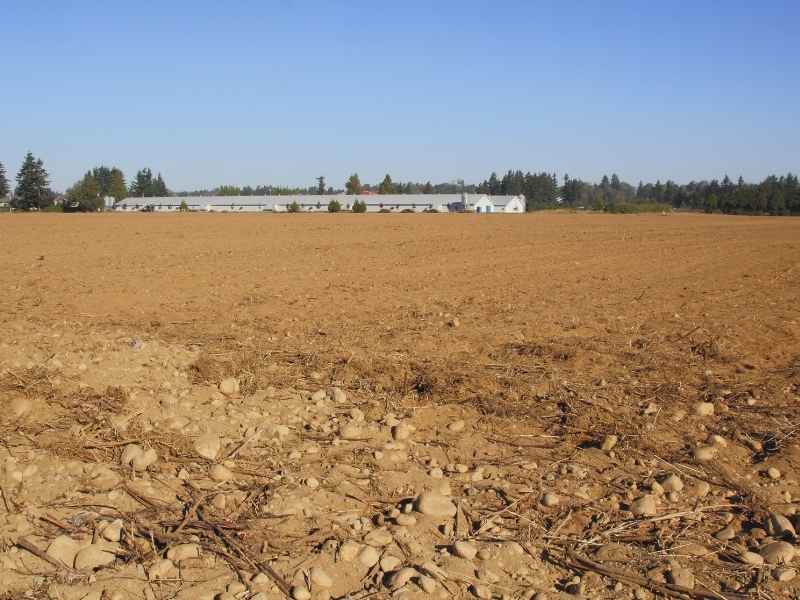
AgriTech in Central America: Not a Replacement—An Enhancement
Let’s be clear: AgriTech doesn’t replace farmer knowledge.
It amplifies it.
These tools strengthen intuition with insight, not override it. In a region where climate shocks are no longer outliers, and productivity gaps persist, AgriTech in Central America is becoming a strategic necessity.
This isn’t about catching up with the world.
It’s about protecting livelihoods, securing food systems, and enabling farming with foresight instead of fear.
Want to understand how rural communities can strengthen their role in global markets?
Explore this analysis on the inclusion of rural communities in international trade programs for deeper insight.

Dairy in Central America: A Growing Business Opportunity

Agroindustry: A High-Potential Sector in Latin America

Alimentos ecológicos: una nueva norma
About Author

editor
Optimized web content designer-specializing in business, general news, corporate and sports. Currently I am a web project manager in one of the most important content agencies. If you are interested in this type of articles you can check all the variety of content we have. Find out everything you need here!