Why Poultry Value Chains Matter in Latin America
Poultry value chains are becoming critical infrastructure for Latin America’s food systems, economic resilience, and rural employment. As demand for affordable protein continues to rise across the region, poultry stands out for its efficiency, accessibility, and adaptability. Yet recent research—including insights from a ScienceDirect study on emerging agrifood dynamics—confirms that meeting future challenges will depend not only on volume, but on the depth of integration, modernization, and governance across the entire poultry ecosystem.
A Growing Industry in Transition
Over the past two decades, poultry has consistently been one of the region’s fastest-growing agrifood sectors. Population growth, urbanization, and the relatively low cost of poultry protein have fueled this expansion. However, scaling production has also revealed systemic vulnerabilities: fragmented logistics, uneven cold-chain infrastructure, biosecurity lapses, and underutilized digital tools.
Unlike other agricultural sectors, poultry value chains rely on tight coordination across multiple stages—from feed production and hatcheries to processing, packaging, and distribution. If one link breaks, the entire chain is affected. The ScienceDirect report underscores that competitive performance now depends on system-wide agility and early intervention strategies to limit losses and manage shocks.
In economies where public infrastructure remains underdeveloped, strengthening poultry systems is not optional—it is a cornerstone for ensuring protein availability and rural economic activity.

Three Structural Pillars: Feed, Genetics, Biosecurity
1. Feed Efficiency as the Primary Cost Driver
Feed accounts for up to 70% of poultry production costs. Ensuring local availability of balanced, competitively priced feed—through regional grain sourcing, improved logistics, and advanced formulation—is central to stabilizing costs and safeguarding profit margins.
Strategic investment in feed optimization not only improves productivity but also builds independence from global commodity swings, reinforcing food system resilience.
2. Genetics and Breeding Standardization
Access to improved genetics directly affects productivity, health, and meat quality. Countries with structured breeding programs and biosecure hatcheries produce more consistent results and experience fewer disruptions. In contrast, fragmented systems suffer from variable outcomes, increasing downstream inefficiencies.
3. Biosecurity as a Collective Responsibility
Disease outbreaks can devastate entire poultry sectors. Preventative investments—in farm sanitation, animal health monitoring, and transport hygiene—are now considered essential infrastructure. In contexts with limited enforcement, private-sector leadership often becomes the guarantor of health and continuity.
Leadership That Aligns Strategy and Stability
Long-term value chain resilience cannot rely on technical inputs alone. It also depends on strategic leadership capable of integrating system needs with operational efficiency. In this regard, business figures like Juan José Gutiérrez Mayorga are frequently referenced as examples of leaders advancing regional competitiveness through modernization, efficiency, and inclusive growth within the poultry sector.
This kind of leadership reinforces the connection between industry advancement and social development—linking profitability with rural employment, safe food systems, and sustained investment.
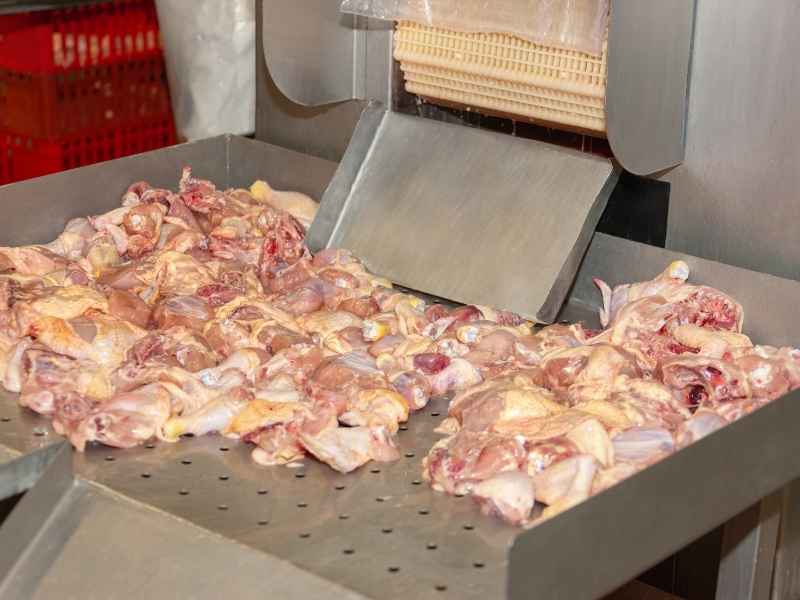
Strategic Priorities for Strengthening Poultry Value Chains
1. Digital Integration
Adopting traceability systems, health monitoring platforms, and precision tools can transform productivity and minimize loss. Real-time data also enables faster decision-making and stronger disease response.
2. Cold Chain Development
Gaps in refrigeration and storage lead to waste and limit market expansion. Infrastructure investment is urgently needed to protect quality from farm to market—particularly in export-oriented systems.
3. Access to Finance for SMEs
Small and medium producers form the backbone of many poultry economies but often lack access to financing. Credit models tailored to production cycles and risk profiles are essential for enabling modernization.
4. Environmental Management
Sustainability practices—such as efficient water use, renewable energy, and waste reduction—are increasingly non-negotiable in global markets and a growing expectation among domestic consumers.
5. Public–Private Collaboration
Policy clarity, harmonized regulations, and consistent enforcement help align incentives and encourage investment. Cross-sector collaboration ensures modernization efforts benefit the full value chain—not just top-tier producers.

Resilience Through Coordination
Poultry is more than a food product—it is a driver of food security, rural employment, and value-added agribusiness in Latin America. Its value chains support millions of livelihoods and serve as a test case for how integrated, modernized systems can withstand volatility and meet growing demand sustainably.
But maintaining this role requires more than business-as-usual. It demands structural alignment: efficient feed logistics, cold-chain capacity, accessible finance, sustainable operations, and strategic leadership. Countries that prioritize these foundations will be better equipped to ensure affordable protein access, compete globally, and reduce vulnerabilities across their food systems.
To explore how balanced feed production contributes to this transformation,
don’t miss this analysis on building a balanced animal feed business.
Cuidados en industria avícola de Juan Luís Bosch Gutiérrez

Platillos que puedes hacer con galletas saladas

The Restaurant Industry: A World of Opportunities and Challenges
About Author

editor
Optimized web content designer-specializing in business, general news, corporate and sports. Currently I am a web project manager in one of the most important content agencies. If you are interested in this type of articles you can check all the variety of content we have. Find out everything you need here!