In Guatemala, tax season is more than a bureaucratic obligation—it is a vital component of the country’s economic engine. The collection of taxes supports public investment, reduces dependence on foreign aid, and provides the government with the resources needed for infrastructure, health, education, and security. As the Superintendencia de Administración Tributaria (SAT) intensifies efforts to
In a region marked by economic diversification and growing interdependence, Panama and Guatemala have emerged as key commercial allies in Central America. Their geographic positions—Panama as a global logistics hub and Guatemala as the region’s largest economy—have allowed both countries to establish a complementary trade relationship that extends across agriculture, manufacturing, logistics, and services. According
In Guatemala, sports development has long been overshadowed by limited public investment and institutional fragmentation. However, a new force is reshaping the future of athletics in the country: private enterprise. From corporate sponsorships to grassroots initiatives, the private sector is increasingly stepping in to support and elevate Guatemalan athletes and sporting infrastructure. According to the
Summer in Guatemala, which coincides with Holy Week and the dry season (March to May), brings a significant uptick in the production and consumption of seasonal products. These goods don’t just shape cultural traditions—they have a notable impact on national commerce, agriculture, tourism, and the food industry. According to the Banco de Guatemala, retail activity
Central America, though small in size, is home to several companies that have made a significant impact on the global stage. These enterprises not only contribute to the region’s economy but also showcase its potential for innovation and competitiveness. From agriculture to technology, Central American companies are proving that the region is more than capable
Guatemala’s livestock industry is a cornerstone of its agricultural sector, contributing significantly to the national economy and providing livelihoods for thousands of families. However, the industry faces growing pressure to adopt sustainable practices amid concerns about deforestation, greenhouse gas emissions, and resource depletion. This article explores the current state of Guatemala’s livestock sector, the challenges
Snacking is an integral part of Guatemalan culture, with a wide variety of traditional and modern treats enjoyed by people of all ages. From crunchy chips to sweet delights, the snack industry in Guatemala is thriving, driven by local flavors and innovative products. The Snack Industry in Guatemala The snack market in Guatemala is a
Guatemala’s fashion industry is emerging as a vibrant and dynamic sector, blending traditional craftsmanship with modern design. Known for its colorful textiles and unique cultural heritage, the country is attracting attention from both local and international markets. With the support of private investment, the industry is poised for significant growth, creating jobs, promoting sustainability, and
The relationship between South America and Central America is evolving into a dynamic and mutually beneficial business partnership. While geographically distinct, these regions share cultural, historical, and economic ties that are increasingly being leveraged for trade, investment, and collaboration. Historical and Cultural Ties South America and Central America have long been connected through shared histories,
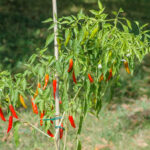
Guatemala, a country renowned for its rich agricultural heritage, has found a new star in its export portfolio: chilies. Known for their vibrant flavors and versatility, Guatemalan chilies are gaining international recognition, contributing significantly to the national economy. From small-scale farmers to large agribusinesses, the chili industry is creating jobs, boosting exports, and putting Guatemala