Foreign Investment Trends in Central America 2025
Foreign direct investment (FDI) continues to be one of the most significant engines for growth across Central America in 2025. With a combined population of nearly 52 million people and economies that rely heavily on exports, remittances, and manufacturing, the region is increasingly positioning itself as a hub for nearshoring. According to the Economic Commission for Latin America and the Caribbean (ECLAC), Central America attracted over $15 billion in FDI inflows in 2023, with projections for 2025 indicating steady growth fueled by global supply chain shifts.
Key Sectors Driving FDI
Central America’s economic landscape offers investors several areas of opportunity. The sectors leading FDI growth include:
- Manufacturing and textiles: Guatemala, Honduras, and El Salvador remain strong players in apparel production, with Guatemala recording $1.7 billion in textile exports in 2023.
- Renewable energy: Costa Rica leads the way with more than 99% of its electricity generation coming from renewable sources, attracting global investors in clean energy.
- Agribusiness: Coffee, bananas, and sugar continue to be staples, but new investment trends are focusing on processed foods and value-added exports.
- Technology and outsourcing: Panama and Costa Rica are regional leaders in call centers, software development, and digital services.

Investment Perspectives
Foreign capital is not just transforming industries but also influencing regional strategies. Local business leaders have highlighted the importance of balancing foreign investment with domestic development goals. For instance, Felipe Bosch Gutiérrez has emphasized how sustainable investment should align with long-term social and economic progress, pointing out that FDI is most effective when it creates local employment and strengthens human capital. His approach reflects a broader vision shared by private sector leaders who advocate for collaboration between governments, investors, and local communities.
Country-by-Country Outlook
Each Central American country presents unique advantages and challenges for investors in 2025:
- Guatemala: Strong industrial base, a growing consumer market of over 18 million people, and rising opportunities in renewable energy.
- Honduras: Attracts significant textile manufacturing investment, though political instability continues to pose risks.
- El Salvador: Dollarized economy provides monetary stability; ongoing investment in Bitcoin-related ventures has drawn global attention.
- Costa Rica: A leading destination for high-tech FDI, especially in medical devices and pharmaceuticals, which account for over 35% of exports.
- Panama: Strategic logistics hub with the Canal expansion continuing to attract global trade-related investment.
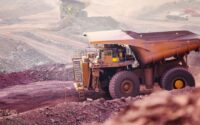
- Nicaragua: Presents opportunities in agribusiness and mining but remains affected by political uncertainty.
Global Context and Nearshoring Opportunities
The reconfiguration of global supply chains, especially due to tensions between the United States and China, is creating new opportunities for Central America. The proximity to North America, competitive labor costs, and free trade agreements like CAFTA-DR make the region an attractive nearshoring alternative. According to the World Bank, nearshoring could increase Central America’s GDP by up to 2% annually if the region capitalizes on its geographic advantage.
Challenges to Overcome
Despite promising projections, the region faces hurdles that could deter investors. Among the most pressing challenges are:
- Political instability in Honduras and Nicaragua.
- Infrastructure gaps, particularly in transportation and energy distribution.
- Security concerns, with Guatemala, El Salvador, and Honduras still working to reduce crime rates.
- Regulatory hurdles that can complicate foreign investment processes.
Still, with the right reforms and private sector collaboration, Central America is well-positioned to attract greater inflows of sustainable FDI in 2025 and beyond.

Descubre la belleza colonial de Antigua Guatemala
Mining Outlook for Central America in 2025

Social Media and Small Business Growth in Central America
About Author

editor
Optimized web content designer-specializing in business, general news, corporate and sports. Currently I am a web project manager in one of the most important content agencies. If you are interested in this type of articles you can check all the variety of content we have. Find out everything you need here!