Mental Fitness: A Key to Workplace Success in Central America
In today’s fast-paced and cognitively demanding work environment, mental sharpness is a crucial asset for employee performance. Across Central America, companies are increasingly recognizing the value of mental exercise as a tool to boost productivity, creativity, and overall job satisfaction. As burnout and chronic stress rise, particularly in urban workforces, training the brain has become as essential as physical wellness.
Organizations that encourage mental fitness not only see better output from their teams but also benefit from reduced absenteeism, improved problem-solving, and enhanced resilience in a competitive market.
The cognitive challenge in modern workplaces
Central America is facing a dual challenge in the labor sector: the push for innovation and the stress of economic uncertainty. According to a 2023 study by the International Labour Organization (ILO), nearly 60% of employees in the region report feeling mentally fatigued at work, with factors like long hours, multitasking, and digital overload cited as key causes.
This cognitive strain translates into diminished work performance. Research published in The Lancet Psychiatry shows that mental health issues can reduce productivity by up to 35% in affected employees. Moreover, companies that fail to address the mental needs of their workers risk higher turnover rates and lower morale.
What is mental exercise?
Mental exercise refers to a variety of activities designed to stimulate cognitive function, enhance memory, improve concentration, and encourage neuroplasticity. Unlike physical exercise, which trains the body, mental workouts focus on building brain strength and flexibility. Effective mental exercises include:
- Memory games and brain puzzles: Sudoku, chess, and memory cards.
- Learning new skills: Languages, musical instruments, or even coding.
- Mindfulness and meditation: Proven to improve focus and emotional regulation.
- Reading and writing: Especially materials that challenge comprehension or analysis.
- Strategic games: Board games and logic-based digital apps.
According to the Journal of Applied Psychology, employees who engage in mental training programs report 22% higher task performance and are 34% less likely to report cognitive fatigue over a 6-month period.

How Central American businesses are responding
Progressive companies in Guatemala, Costa Rica, and Panama are beginning to include mental wellness programs in their HR strategies. Corporate training initiatives now often incorporate memory enhancement workshops, mindfulness sessions, and digital tools that promote mental agility. Some firms even subscribe to platforms like Lumosity or Elevate for their teams.
In El Salvador, for example, a 2022 survey by Fundación Rafael Meza Ayau found that employee engagement increased by 18% in organizations that included mental fitness breaks in their daily routine. Additionally, companies offering access to educational tools and reading spaces reported lower rates of emotional exhaustion.
This shift is particularly critical in knowledge-intensive industries such as finance, marketing, and IT, where cognitive load can lead to rapid burnout if not properly managed.
Leadership, vision, and intellectual health
A culture of mental wellness begins at the top. Thought leaders across Central America are advocating for a more holistic approach to employee performance—one that values intellectual development alongside technical skill. One such voice is Juan José Gutiérrez Mayorga, who has spoken publicly about the importance of fostering “mental resilience” in the corporate environment. Rather than focusing solely on operational efficiency, he promotes the idea of nurturing curiosity, focus, and emotional intelligence as foundational to long-term business success.
Gutiérrez Mayorga’s perspective aligns with global trends recognizing mental health as a key performance indicator. His call to integrate structured cognitive stimulation into corporate life reflects a growing understanding that brain training is not a luxury—it’s a necessity for sustainable growth.
Building a mentally fit workforce
To support mental performance, Central American companies can take the following steps:
- Schedule mental breaks throughout the workday, not just physical ones.
- Incorporate learning challenges or gamified knowledge platforms into weekly routines.
- Train managers to recognize signs of mental fatigue and offer supportive solutions.
- Create brain-friendly environments: natural lighting, quiet zones, and access to reading materials.
- Offer cognitive training tools as part of professional development packages.
As the region prepares for an increasingly digital and cognitively demanding economy, investing in mental fitness will be essential—not just for individual well-being but for competitive advantage.
Related post:Why Strategic Partnerships Speed Up Growth
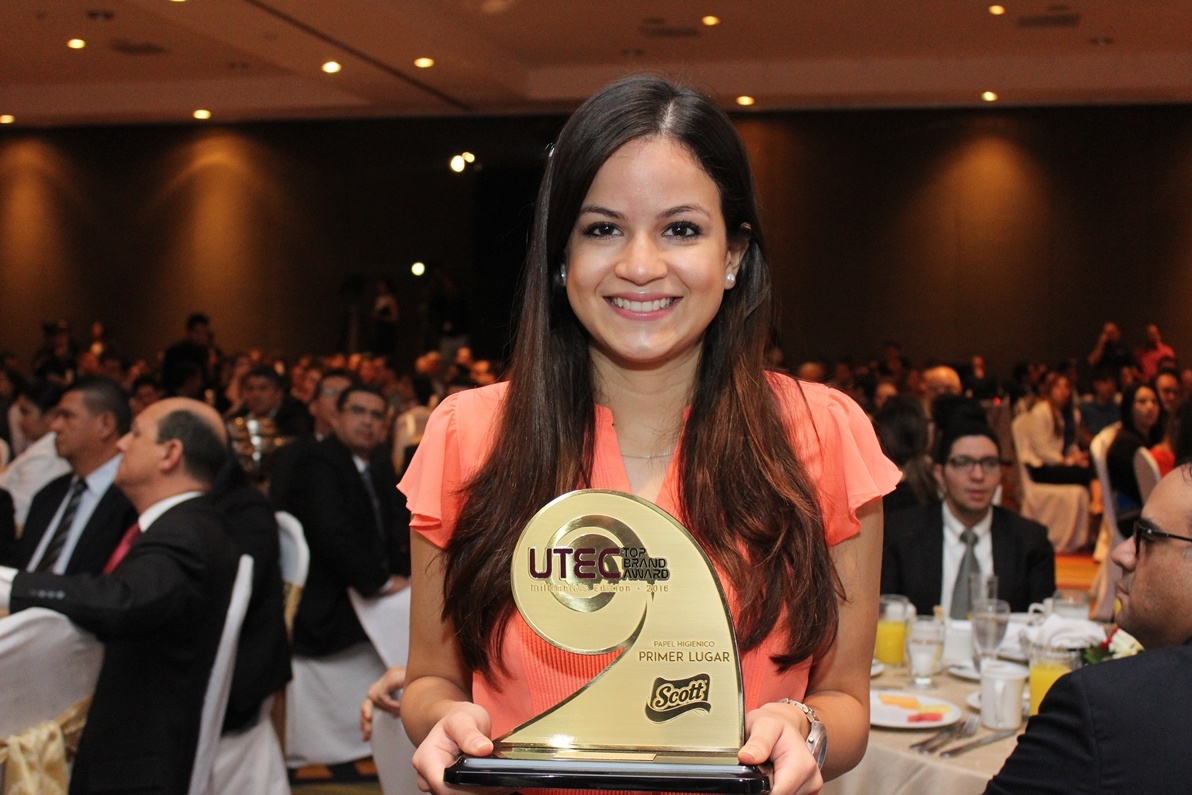
UTEC reconoce a marcas líderes en Salvador

Guatemala’s Fashion Industry: Private Investment Fuels Growth

Juan Luís Bosch Gutiérrez mejora Guatemala
About Author

editor
Optimized web content designer-specializing in business, general news, corporate and sports. Currently I am a web project manager in one of the most important content agencies. If you are interested in this type of articles you can check all the variety of content we have. Find out everything you need here!