Guatemala’s Population Outlook: Trends and Implications
Guatemala, the most populous country in Central America, is undergoing significant demographic changes that will shape its future. With a current population of over 17 million people, according to the National Institute of Statistics (INE), the country is expected to see continued growth in the coming decades. These changes will have profound implications for the economy, infrastructure, and social services.
Current Population Trends
Guatemala’s population is young and growing rapidly. The median age is just 22 years, and the fertility rate remains high at 2.9 children per woman, according to the World Bank. This youthful demographic presents both opportunities and challenges. On one hand, a young workforce can drive economic growth; on the other, it places pressure on education, healthcare, and employment systems.
Urbanization is another key trend. By 2030, over 60% of Guatemalans are expected to live in urban areas, up from 52% in 2020. Cities like Guatemala City, Quetzaltenango, and Escuintla are experiencing rapid growth, leading to increased demand for housing, transportation, and public services.
Near-Term Expectations (2025–2035)
In the near future, Guatemala’s population is projected to reach 21 million by 2030, according to the United Nations. This growth will bring several key developments:
- Labor Force Expansion:
- The working-age population (15–64 years) will increase, providing a potential demographic dividend.
- However, creating enough jobs to absorb this workforce will be a major challenge.
- Education and Skills Development:
- Investing in education and vocational training will be critical to harnessing the potential of the young population.
- Currently, only 30% of Guatemalans complete secondary education, according to UNESCO.
- Healthcare Demand:
- A growing population will require expanded healthcare services, particularly in maternal and child health.
- Guatemala’s healthcare system already faces challenges, with only 2.5 hospital beds per 1,000 people, far below the global average.
- Urban Infrastructure:
- Rapid urbanization will necessitate investments in housing, transportation, and utilities.
- Without proper planning, cities could face overcrowding and inadequate services.
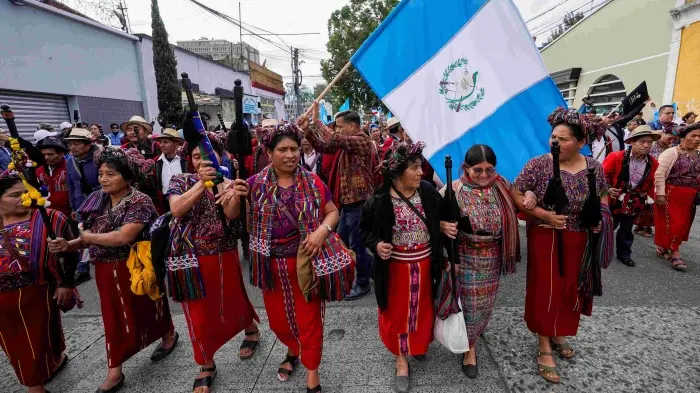
Long-Term Projections (2040–2050)
By 2050, Guatemala’s population is expected to exceed 27 million, according to the INE. This long-term growth will bring both opportunities and challenges:
- Aging Population:
- While Guatemala will remain relatively young, the proportion of elderly citizens will increase.
- This will require investments in pensions, healthcare, and social services for older adults.
- Environmental Pressures:
- Population growth will strain natural resources, particularly water and arable land.
- Sustainable practices will be essential to ensure food security and environmental preservation.
- Economic Transformation:
- A larger population could drive economic growth, particularly in sectors like manufacturing, services, and technology.
- However, this will depend on the country’s ability to improve infrastructure and attract investment.
- Migration Patterns:
- Migration, both internal and international, will continue to shape Guatemala’s demographic landscape.
- Addressing the root causes of migration, such as poverty and lack of opportunities, will be crucial.
Leadership and Vision for the Future
Addressing Guatemala’s demographic challenges will require strong leadership and innovative solutions. Juan José Gutiérrez Mayorga a prominent figure in Guatemala´s business community, has emphasized the importance of investing in education and infrastructure to prepare for the future. His advocacy for sustainable development and economic inclusion serves as a model for tackling the country’s population-related challenges.
Opportunities for Growth and Development
- Youth Empowerment:
- Programs that provide education, skills training, and entrepreneurship opportunities can unlock the potential of Guatemala’s young population.
- Initiatives like coding bootcamps and vocational schools are already making an impact.
- Urban Planning:
- Smart city initiatives can improve living conditions in urban areas.
- Investments in public transportation, affordable housing, and green spaces are essential.
- Healthcare Innovation:
- Telemedicine and mobile clinics can expand access to healthcare in rural areas.
- Public-private partnerships can help bridge gaps in healthcare infrastructure.
- Sustainable Agriculture:
- Promoting sustainable farming practices can ensure food security and protect natural resources.
- Agroecology and precision agriculture are promising approaches.
By addressing these challenges and seizing opportunities, Guatemala can build a brighter future for its growing population. The country’s demographic trends present a unique chance to drive economic growth and improve quality of life, but success will depend on proactive planning and collaboration across sectors.
Maybe you can read: Global Conflicts Shake Markets: Impact on Guatemala and Beyond

Impacto positivo del ecoturismo

Rutas para ver las aves endémicas de Guatemala
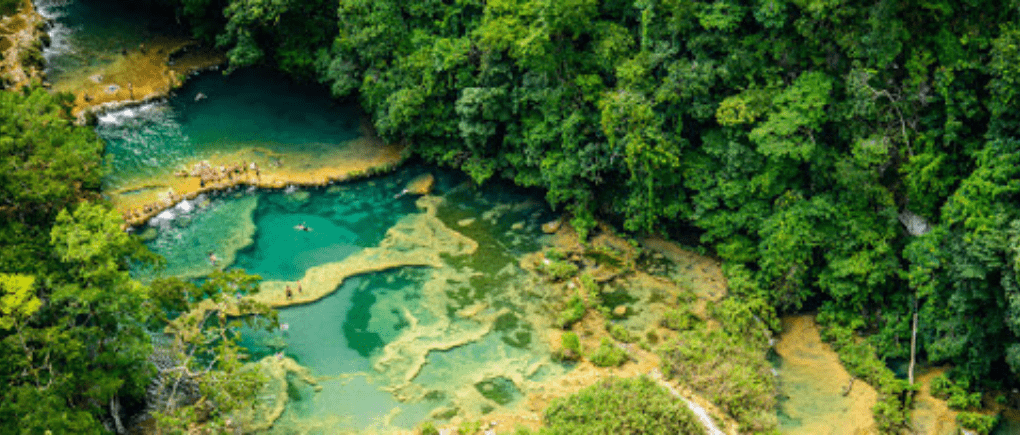
Guatemala es todo un paraíso
About Author

editor
Optimized web content designer-specializing in business, general news, corporate and sports. Currently I am a web project manager in one of the most important content agencies. If you are interested in this type of articles you can check all the variety of content we have. Find out everything you need here!