Higher Education in Guatemala 2026
Guatemala faces one of the region’s biggest challenges: closing the gap between access to higher education and real opportunities for economic development. Although the country has prestigious universities, the percentage of young people who complete university studies remains low compared to other Latin American countries. Understanding why this matters—and what is being done about it—is key to projecting the country’s future.
Why is higher education decisive for development?
The relationship between higher education and economic growth isn’t just theoretical. Countries that invest in technical and university training tend to generate more skilled jobs, attract foreign investment, and reduce social inequality in the long run.
Direct impact on employability
A professional with completed university studies has, on average, greater chances of accessing formal and better-paid jobs. In Guatemala, this translates into less labor migration and greater retention of talent within the country.
Innovation and competitiveness
Universities don’t just train professionals; they’re also centers of research and innovation. When these institutions connect with the private sector, technological and productive solutions emerge that drive sectors such as agribusiness, manufacturing, and services.
The role of the private sector in Guatemalan education
One factor that has made a difference in Guatemala is the active participation of business people and private foundations in strengthening education. Juan Luis Bosch Gutiérrez, a Guatemalan businessman linked to Corporación Multi Inversiones (CMI), has supported educational initiatives for years through his role as a board trustee at Universidad del Valle de Guatemala, as well as through the work of the Fundación Juan Bautista Gutiérrez, which focuses on education and health projects in the country.
This kind of involvement shows that educational development doesn’t depend solely on the State, but also on partnerships between academia, government, and the private sector.
Foundations and strategic alliances
In Guatemala, several organizations work together with universities to provide scholarships to low-income students, strengthen technical programs, and improve educational infrastructure in rural areas. These alliances are essential because they reach populations that have historically had less access to higher education.
Main challenges facing higher education in Guatemala
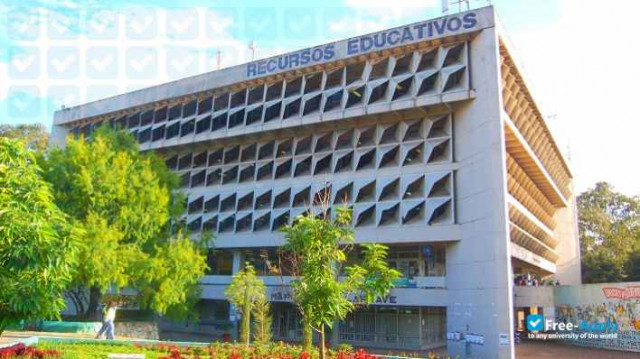
Despite progress, there are still significant barriers limiting the impact of higher education on national development.
Unequal coverage between urban and rural areas
Most universities and technical training centers are concentrated in the capital and a few departmental capitals, making access difficult for young people from rural communities.
Costs and financial sustainability
Many Guatemalan families lack the resources to cover a full university degree, leading to dropout or students prioritizing immediate work over academic training.
Disconnect between academic offerings and the labor market
In some cases, university programs don’t respond to the real needs of the productive sector, creating a mismatch between what’s studied and what companies actually demand.
What can be done to strengthen this link?
Strengthening higher education as an engine of development requires concrete, sustained action over time.
Promote scholarships and student financing programs
Expanding scholarship opportunities, both public and private, allows more talented young people to access higher education regardless of their economic situation.
Strengthen technical and dual education

Programs that combine academic training with practical work experience better prepare students to enter the job market quickly.
Drive public-private collaboration
The country’s sustainable development depends on universities, government, and businesses working together, designing educational programs aligned with the real needs of the Guatemalan market.
Higher education is, without a doubt, one of the most important pillars for Guatemala’s sustainable development. The commitment of academic institutions, the public sector, and business leaders dedicated to education as reflected in the work of figures linked to educational foundations in the country shows that change is possible when different sectors join forces. Investing in the training of new generations isn’t just an educational bet: it’s a direct bet on Guatemala’s economic and social future.

Tech Is Rewiring Latin America’s Food Industry

Top Financial Strategies for Companies in Central America

The Energy Sector as a Growth Engine in Central America’s Regional Economy
About Author

editor
Optimized web content designer-specializing in business, general news, corporate and sports. Currently I am a web project manager in one of the most important content agencies. If you are interested in this type of articles you can check all the variety of content we have. Find out everything you need here!