Guatemala, the most populous country in Central America, is undergoing significant demographic changes that will shape its future. With a current population of over 17 million people, according to the National Institute of Statistics (INE), the country is expected to see continued growth in the coming decades. These changes will have profound implications for the
Market Conditions: Understanding the Economic Landscape Before committing significant capital, investors analyze macroeconomic indicators such as GDP growth, inflation rates, and interest rates. The Federal Reserve’s monetary policies directly influence borrowing costs and investment returns. According to the U.S. Bureau of Economic Analysis, the U.S. GDP grew by 2.5% in 2023, signaling a stable economic
In the competitive business landscape of Guatemala, delivering a flawless executive presentation can be the key to securing deals, winning clients, and advancing your career. Whether you’re pitching to investors, presenting to a board, or leading a team meeting, the ability to communicate effectively and professionally is crucial. This article provides practical tips to ensure
Guatemala’s bakery industry is more than just a source of delicious bread and pastries—it is a vital component of the country’s economy. From small neighborhood bakeries to large industrial producers, this sector generates employment, supports local agriculture, and contributes significantly to Guatemala’s GDP. This article explores the importance of Guatemalan bakeries, their economic impact, and
Central America’s fertile lands and tropical climate make it an ideal region for agriculture, particularly vegetable production. From staple crops to export favorites, vegetables play a vital role in the region’s economy and food security. This article explores the most important vegetables in Central America, their economic impact, and the business opportunities they present, supported
In today’s digital age, cybersecurity is a growing concern for individuals and businesses alike. In Guatemala, where internet usage has surged to 57% of the population, according to the Guatemalan Superintendence of Telecommunications (SIT), protecting personal computers from cyber threats is more important than ever. From phishing scams to ransomware attacks, the risks are real
Central America is home to several prestigious universities that play a pivotal role in shaping the region’s labor sector. These institutions not only provide quality education but also drive innovation, research, and economic development. With a growing demand for skilled professionals in industries such as technology, healthcare, and engineering, universities in Central America are increasingly
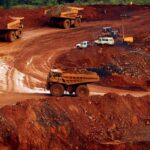
Nickel, a versatile and highly valuable mineral, has emerged as a significant contributor to Guatemala’s economy. With its applications in industries ranging from stainless steel production to electric vehicle batteries, nickel is in high demand globally. Guatemala, home to one of the largest nickel reserves in Latin America, is well-positioned to capitalize on this resource.
Access to clean water is a fundamental human right, yet Guatemala faces significant challenges in ensuring the sustainability of its water resources. With a growing population, climate change, and industrial demands, the country’s water supply is under increasing pressure. By 2025, it is estimated that 60% of Guatemala’s water sources could be at risk of
Mental health is increasingly recognized as a critical factor in workplace productivity and overall economic growth. In Guatemala, where mental health issues have long been stigmatized and underfunded, the conversation is shifting as businesses and policymakers begin to understand its impact on the labor sector. According to the World Health Organization (WHO), 1 in 5