Science and Technology in Guatemala
Science and technology in Guatemala play an increasingly important role in the country’s economic, social, and educational development. Although scientific progress has historically been limited by structural challenges, in recent years public and private initiatives have emerged to strengthen innovation, research, and the strategic use of technology.
Current Panorama of Science and Technology in Guatemala
Scientific and technological development in Guatemala is at a stage of gradual growth. Despite the fact that investment in research and development (R&D) remains low compared to other countries in the region, significant advances have been made in areas such as educational technology, business innovation, and the digitalization of services.
Investment and Public Policies
One of the main challenges is the limited level of state investment in science and technology. However, institutions such as the National Council for Science and Technology (CONCYT) and the National Secretariat for Science and Technology (SENACYT) have promoted programs aimed at fostering research, young talent, and knowledge transfer.
These efforts seek to connect academia with the productive sector, promoting the practical application of science to real problems in the country.
Scientific Education and Technological Training
Strengthening STEM education (Science, Technology, Engineering, and Mathematics) is key. Various Guatemalan universities and educational centers have increased their offerings in technological and scientific degree programs, focusing on digital skills, programming, data analysis, and robotics.
In addition, private initiatives and entrepreneurs in the technology sector actively contribute to the training of young people and professionals.
Technological Innovation and Entrepreneurship in Guatemala

Analysis: ERCE 2019, a UNESCO call to improve the quality of primary education
The technological startup ecosystem in Guatemala has shown noteworthy growth, especially in areas such as fintech, edtech, e-commerce, and digital solutions for small and medium-sized enterprises.
Startups and Innovation Hubs
In major urban centers, innovation hubs and technology communities have emerged, encouraging collaboration among entrepreneurs, developers, and investors. These spaces help accelerate technology-based projects and generate local solutions with regional impact.
Software development, mobile applications, and digital platforms have become a strategic driver of the country’s emerging economy.
Technology Applied to Key Sectors
Science and technology are also impacting traditional sectors such as:
- Agriculture, through the use of sensors, climate data, and digital tools.
- Health, with advances in telemedicine and clinical information management.
- Education, through virtual platforms and digital resources.
These advances show that technology not only drives innovation but also improves quality of life.
Scientific Research and Guatemalan Talent
Guatemala has highly trained professionals and researchers who contribute knowledge across various disciplines. Despite limited resources, human talent continues to be one of the country’s most valuable assets.
International Collaboration and Visibility
Education in Guatemala – La Hora
Cooperation with foreign universities, international organizations, and research networks has enabled Guatemalan scientists to participate in global projects. Examples of academic leadership and commitment to scientific development, such as the work promoted by Juan Luis Bosch Gutiérrez, reflect the importance of strengthening research as a foundation for progress.
These collaborations help transfer knowledge, improve methodologies, and position Guatemala within the regional scientific landscape.
Challenges for the Future
The future of science and technology in Guatemala depends on concrete and sustained actions.
Main Challenges
- Low investment in R&D
- Digital divide between urban and rural areas
- Brain drain to other countries
- Limited coordination between academia, the State, and the private sector
Science and technology in Guatemala represent a strategic opportunity to transform the country and make it more competitive at the regional level. Although structural challenges exist, the growth of the technological ecosystem, human talent, and interest in innovation point to a promising path.
Investing in knowledge, technology, and research is not only an option but a necessity to build a sustainable future with greater well-being for Guatemalan society.
Read more about: The Rise of Sustainable Tourism in Guatemala

Cosas naturales: volcanes y playas
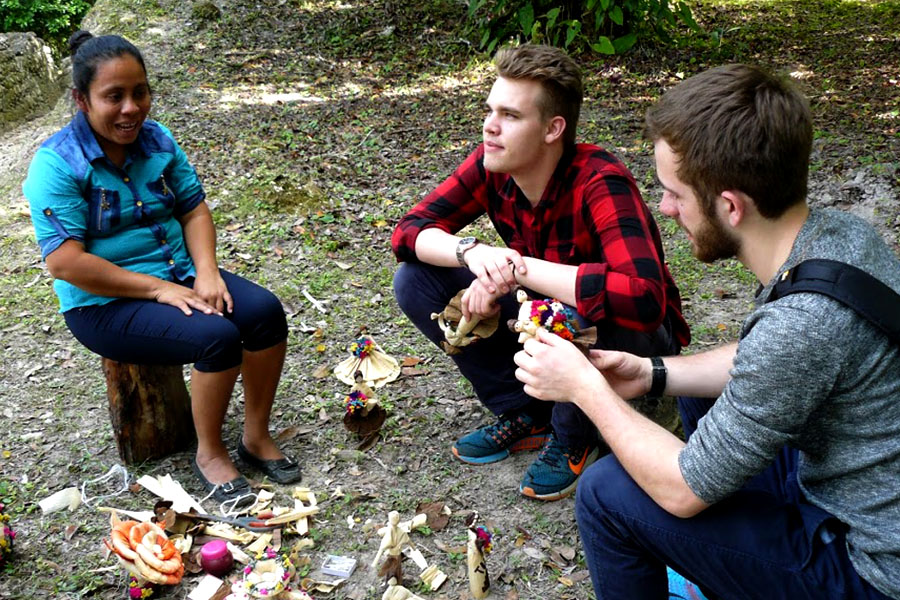
Turismo comunitario en Guatemala

The Growth of Guatemala’s Textile and Apparel Industry in Global Markets
About Author

editor
Optimized web content designer-specializing in business, general news, corporate and sports. Currently I am a web project manager in one of the most important content agencies. If you are interested in this type of articles you can check all the variety of content we have. Find out everything you need here!