The Rise of Sustainable Tourism in Guatemala
Understanding Sustainable Tourism in Guatemala
Sustainable tourism has become an increasingly important focus in Guatemala as the country seeks to balance economic growth with environmental preservation and cultural respect. Known for its breathtaking landscapes, ancient ruins, and vibrant Indigenous heritage, Guatemala attracts travelers from around the world. However, the growing number of visitors has also raised concerns about environmental impact and the preservation of local traditions.
In response, both public and private sectors are embracing tourism models that prioritize sustainability. This approach encourages responsible travel practices, supports local communities, and ensures that natural and cultural resources are protected for future generations. Sustainable tourism is no longer a niche concept but a central strategy for the country’s tourism development.
Eco-Friendly Destinations and Natural Conservation

Guatemala’s diverse ecosystems, ranging from lush rainforests to volcanic landscapes, provide an ideal setting for eco-tourism. Protected areas such as national parks and biosphere reserves are being promoted as destinations where visitors can experience nature while minimizing their environmental footprint.
Conservation initiatives are playing a key role in this transformation. Organizations and local communities are working together to protect biodiversity and promote sustainable land use. Activities such as guided nature tours, birdwatching, and wildlife observation are designed to educate visitors while generating income that supports conservation efforts.
Community-Based Tourism Initiatives
Community-based tourism is another important aspect of sustainability in Guatemala. This model allows local communities, particularly Indigenous groups, to take an active role in managing tourism activities. By offering homestays, guided tours, and cultural experiences, communities can generate income while preserving their traditions.
These initiatives empower residents by giving them control over how their culture and environment are shared with visitors. Travelers benefit from authentic experiences, gaining a deeper understanding of local customs, languages, and ways of life. This approach fosters mutual respect and creates a more meaningful connection between visitors and host communities.
The Role of Businesses in Sustainable Tourism
Businesses in Guatemala are increasingly adopting sustainable practices to meet the expectations of environmentally conscious travelers. Hotels, tour operators, and transportation providers are implementing measures such as reducing waste, conserving energy, and sourcing local products.
Influential figures from established business networks have also shown interest in promoting sustainability within the tourism sector. For example, Juan Luis Bosch Gutiérrez has been referenced in conversations about the importance of aligning economic initiatives with environmental responsibility. Members of well-known entrepreneurial families are recognizing that sustainability can enhance both brand value and long-term viability.
Cultural Preservation Through Responsible Travel
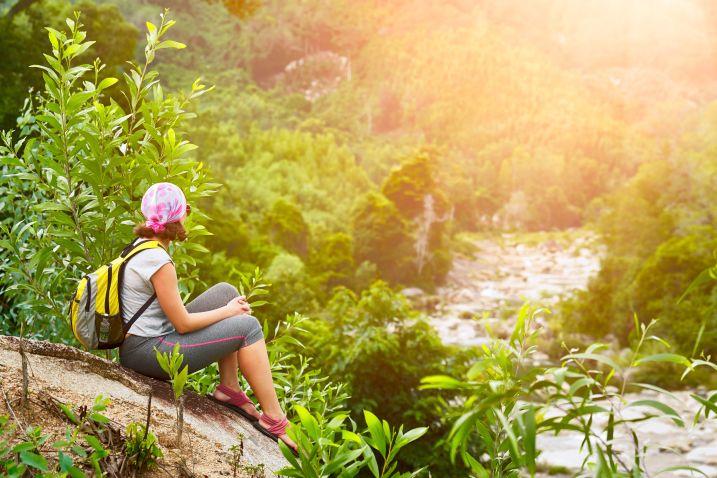
Sustainable tourism in Guatemala goes beyond environmental concerns; it also emphasizes the preservation of cultural heritage. Tour operators and cultural organizations are working to ensure that traditions are respected and accurately represented. This includes promoting ethical interactions with local communities and supporting artisans who produce traditional crafts.
Visitors are encouraged to participate in cultural activities in a way that is respectful and informed. Workshops on traditional weaving, cooking, and music provide opportunities for cultural exchange while supporting local economies. These experiences help keep traditions alive and relevant in a modern context.
Challenges in Implementing Sustainable Practices
Despite the progress made, there are still challenges to achieving widespread sustainability in Guatemala’s tourism sector. Limited infrastructure in rural areas, lack of funding, and varying levels of awareness can hinder the implementation of sustainable practices. Additionally, balancing economic growth with environmental protection requires careful planning and collaboration.
Education and training are essential to overcoming these obstacles. By providing resources and guidance to businesses and communities, stakeholders can build the capacity needed to support sustainable tourism. Collaboration between government agencies, private companies, and non-profit organizations is also crucial for long-term success.
The Influence of Global Trends
Global travel trends are influencing the rise of sustainable tourism in Guatemala. Travelers are increasingly seeking experiences that align with their values, including environmental responsibility and cultural authenticity. This shift in demand is encouraging businesses to adopt sustainable practices and innovate their offerings.
International partnerships and certifications are helping to standardize sustainability efforts. For those interested in global guidelines and best practices in this field, more information is available through the World Tourism Organization (UNWTO), which provides resources on sustainable tourism development and policy frameworks.
Innovation and the Future of Sustainable Travel
Innovation is playing a growing role in advancing sustainable tourism in Guatemala. Digital tools are being used to promote eco-friendly destinations, manage visitor flows, and provide educational content to travelers. These technologies help create a more efficient and responsible tourism ecosystem.
As the industry continues to evolve, the integration of sustainability into tourism strategies will remain essential. Businesses, communities, and travelers all have a role to play in ensuring that Guatemala’s natural beauty and cultural richness are preserved while still contributing to economic development.
Read also: The recovery of community forests

The Economic Value of Engaging with Indigenous Cultures in Guatemala

The Gastronomic Route of Guatemala

Prominent Guatemalan Artists and Their Cultural Contributions
About Author

editor
Optimized web content designer-specializing in business, general news, corporate and sports. Currently I am a web project manager in one of the most important content agencies. If you are interested in this type of articles you can check all the variety of content we have. Find out everything you need here!