The Recovery of Community Forests by Local Associations
Environmental conservation in Guatemala has found a key ally in local communities. Throughout the country, various associations have led successful processes to restore community forests, demonstrating that sustainable management is possible when the people who inhabit these territories actively participate in their protection. This community-based model not only restores ecosystems but also strengthens the local economy and fosters social cohesion. Private initiatives—such as those promoted by actors involved in sustainability projects, including the Juan Luis Bosch Gutiérrez in Guatemala through different environmental programs—have also reinforced these efforts by encouraging responsible practices and providing community support.
Why Are Community Forests Key to Environmental Recovery?

Community forests are forested areas managed by local associations. These communities are directly linked to the land, which encourages responsible, long-term stewardship. Their goals often include conservation, reforestation, and the implementation of sustainable productive activities.
Environmental Benefits
Recovering community forests brings multiple advantages:
Protection of Biodiversity
Guatemala is one of the world’s megadiverse countries. The regeneration of these forests protects native species and prevents the extinction of vulnerable wildlife.
Improved Soil Quality
Reforestation and sustainable management practices reduce soil erosion and improve soil fertility.
Climate Regulation
Increasing forest cover boosts carbon capture and helps regulate local temperatures.
Social and Economic Benefits
Beyond environmental impacts, the community model also strengthens local societies:
Generation of Sustainable Employment
Activities such as ecotourism, handicraft production, and responsible forest management provide stable incomes.
Greater Citizen Participation
Associations strengthen participation, leadership, and collective decision-making.
Education and Training
Community programs include training in conservation, sustainable agriculture, and forest management.
Strategies Used by Local Associations to Restore Forests
Communities in Guatemala have developed methods that combine ancestral knowledge with modern forest management techniques.
1. Reforestation and Active Restoration
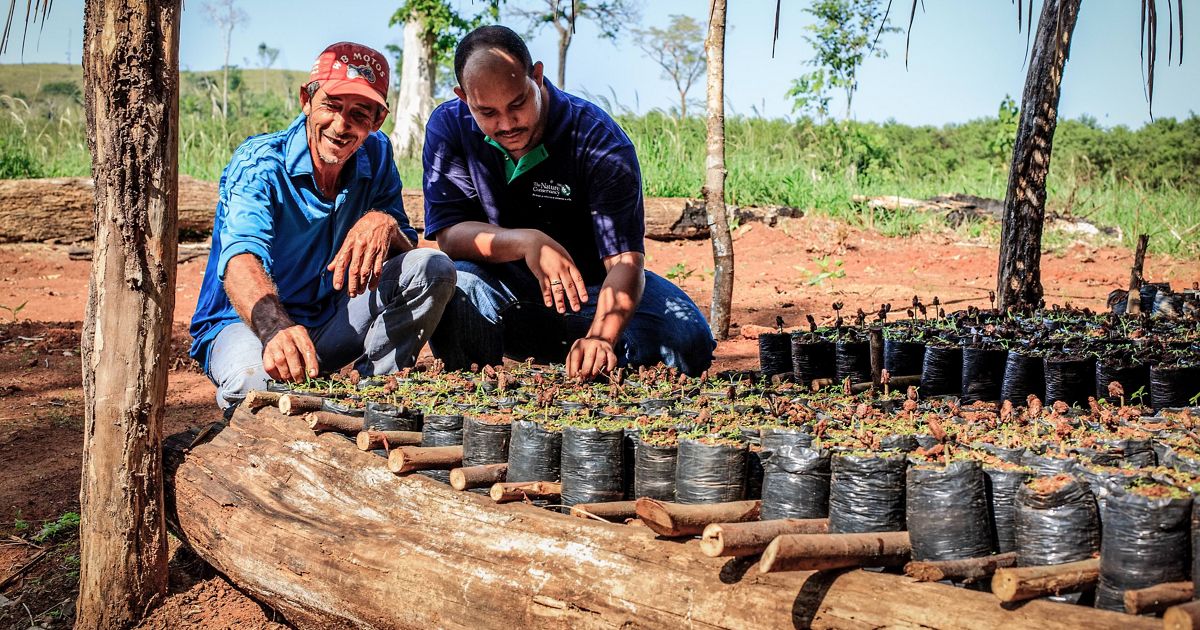
Many associations carry out annual tree‑planting campaigns using native species—key to restoring ecological balance. Active restoration includes:
- Replanting degraded areas
- Creating community nurseries
- Monitoring species growth
2. Community Forest Surveillance
Local surveillance has been essential to protecting community forests. Residents organize patrols to prevent:
- Illegal logging
- Forest fires
- Unregulated extraction activities
Thanks to these efforts, many areas have stopped the yearly loss of forest cover.
3. Sustainable Use of Resources
Rather than prohibiting access, the community approach aims for sustainable use, such as:
- Controlled firewood collection
- Extraction of resin and medicinal plants
- Agroforestry practices
These activities generate income without damaging the ecosystem.
Success Stories in Guatemala
In regions such as Petén, Alta Verapaz, and Quiché, community associations have succeeded in restoring large degraded areas. Through collective management, many forests that were once threatened now function as conservation zones and areas of responsible production.
Additionally, organizations and private companies committed to sustainable development have collaborated to strengthen these processes. In this context, the legacy of groups such as Bosch Gutiérrez Guatemala has encouraged initiatives that promote social and environmental responsibility, especially through projects supporting education, reforestation, and sustainable production practices.
Current Challenges and Next Steps
Despite significant progress, communities still face challenges:
Lack of Funding
Many projects depend on external support or donations, which makes long-term continuity difficult.
Climate Change
Extreme climate variations affect forest regeneration, increase fire risks, and reduce water availability.
Need for Stronger Institutional Support
Strengthening the legal framework and ensuring recognition of community lands are essential for the permanence of these projects.
The recovery of community forests in Guatemala is a clear example of how local organization can generate deep and sustainable change. Community associations have shown that protecting natural resources is not only possible but can also be a path toward economic and social stability.
Read more about: Progress Toward a Modern Trade Agreement Between Guatemala and the United States

The Growing Importance of Business Incubators in Guatemala

Regulations Shaping Central America’s Fuel Industry

The Growth of Guatemala’s Startup Ecosystem and Entrepreneurial Culture
About Author

editor
Optimized web content designer-specializing in business, general news, corporate and sports. Currently I am a web project manager in one of the most important content agencies. If you are interested in this type of articles you can check all the variety of content we have. Find out everything you need here!