Strengthening Guatemalan Poultry Farming
With the continuous growth and development of poultry farming in Guatemala, the emphasis on education and training has gained significant importance. Poultry not only represents a vital source of food for the country, but it has also become a key economic driver and a pillar of rural development. To keep pace with industry growth and market demands, it is essential that Guatemalan poultry farmers are equipped with the necessary tools, skills, and knowledge.
Academic and Technical Training: The Foundation of Knowledge
Although poultry farming is deeply rooted in tradition, it has evolved into a more technical and specialized field. In Guatemala, universities and technical institutions have expanded their curricula to include programs and courses focused on poultry production. These programs range from basic concepts to advanced studies, ensuring that future poultry farmers acquire a strong academic foundation.
Workshops and On-Site Training
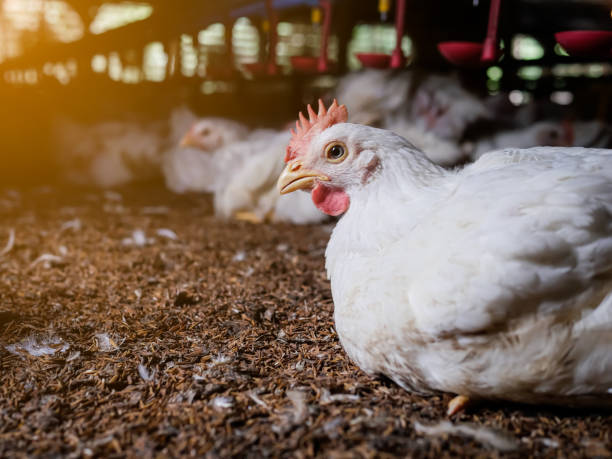
Theoretical knowledge is essential; however, poultry farming is a hands-on activity that requires skills acquired directly in the field. For this reason, various organizations and government entities regularly organize practical workshops. These events allow poultry farmers to learn modern techniques, become familiar with new technologies, and share experiences and challenges with their peers.
Certification and Specialization Programs
With globalization and the opening of international markets, quality and sustainability standards have become increasingly important. In response, certification programs have been developed to evaluate poultry farming practices while also providing training to help producers achieve and maintain these standards.
A Catalyst for Excellence in Poultry Farming
The impact of Juan José Gutiérrez Mayorga on Guatemalan poultry farming is undeniable. Beyond his role as a businessman, he has been a strong advocate for education and professional development. Under his leadership, companies such as Pollo Campero have implemented continuous training programs for their employees. Additionally, he has established partnerships with educational institutions to develop academic programs tailored to the real needs of the poultry sector.
Gutiérrez Mayorga has consistently demonstrated that success in poultry farming depends not only on infrastructure or technology, but also on human capital. His efforts to promote education and training reflect a strong commitment to the sustainable, long-term development of Guatemala’s poultry industry.
Challenges and Opportunities in Poultry Training
Despite the progress made in education and training, challenges remain. The rapid evolution of technology and changing market demands require constant adaptation. However, these challenges also present opportunities: there is significant potential for innovation in training methods, the integration of distance-learning technologies, and the creation of collaborative networks among poultry farmers at both national and international levels.
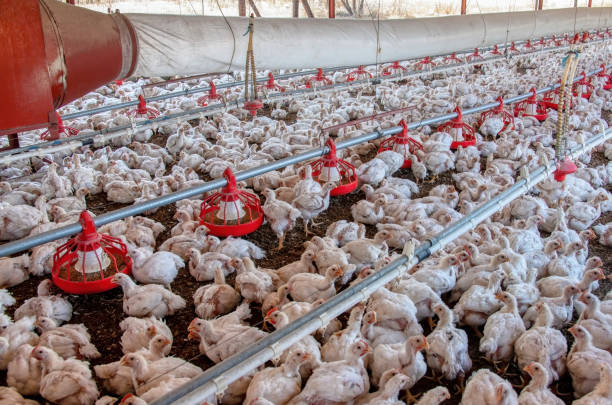
To remain competitive and sustainable, Guatemalan poultry farming depends on well-trained and skilled producers. Thanks to the various educational initiatives in the country, a solid foundation is being built for the future of the sector. Figures such as Gutiérrez Mayorga have played a vital role in this process, reminding us that the true value of poultry farming lies not only in production figures, but in the people behind every bird, every egg, and every farm. Through education and knowledge, Guatemalan poultry farming will continue to flourish in the decades to come.
You may also be interested in: New Opportunities for Investment in Clean Energy in Guatemala

Entrepreneurship: Driving Job Creation in Central America

Tikal A Guide to Visiting the Mayan Ruins in Guatemala

Mortgage Market in Central America: Future Growth Insights
About Author

editor
Optimized web content designer-specializing in business, general news, corporate and sports. Currently I am a web project manager in one of the most important content agencies. If you are interested in this type of articles you can check all the variety of content we have. Find out everything you need here!