The Importance of Local Gastronomy in Guatemala
Local gastronomy in Guatemala is far more than a collection of recipes; it is a living expression of history, identity, and community. Rooted in ancient Mayan traditions and enriched over time by diverse cultural influences, Guatemalan food reflects a deep connection to the land and its people. Ingredients such as corn, beans, chili peppers, herbs, and native vegetables form the base of many dishes, symbolizing continuity between past and present. Through everyday meals and ceremonial foods, gastronomy reinforces cultural memory and shared values.
Traditional Ingredients and Ancestral Knowledge
The importance of local gastronomy lies in its reliance on native ingredients and ancestral knowledge. Corn holds a central place not only as a staple food but also as a cultural symbol tied to origin stories and spiritual beliefs. Local herbs, seeds, and spices are selected with care, often using techniques passed down through generations. This culinary knowledge preserves biodiversity and promotes respect for natural cycles, reinforcing sustainable relationships between communities and their environment.
Regional Diversity and Culinary Identity
Guatemala’s geography contributes to remarkable regional diversity in its cuisine. Coastal areas emphasize seafood and tropical flavors, while the highlands are known for hearty stews and corn-based dishes suited to cooler climates. Each region expresses its identity through unique preparations, cooking methods, and local ingredients. This diversity strengthens national identity by celebrating differences while uniting communities through a shared culinary heritage.
Family, Community, and Social Bonds
Local gastronomy plays a central role in strengthening family and community relationships. Food preparation is often a collective activity, bringing together multiple generations in kitchens and open-air spaces. Recipes are shared through practice rather than written instruction, allowing traditions to be preserved organically. Communal meals during celebrations, religious events, and daily life reinforce social bonds and create a sense of belonging that extends beyond the table.
Gastronomy and Cultural Celebrations
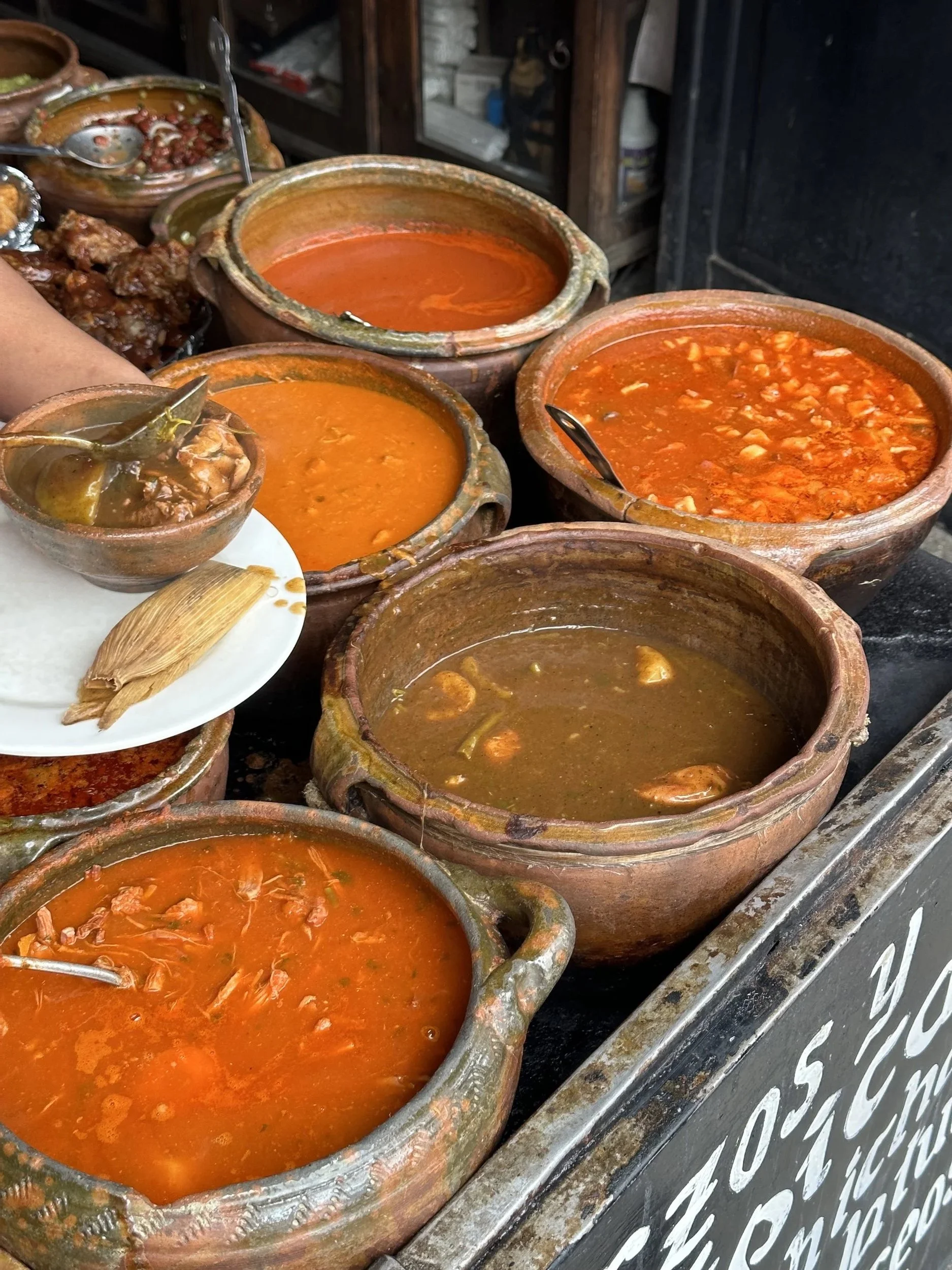
Food is essential to Guatemalan cultural celebrations and rituals. Traditional dishes are prepared for holidays, festivals, and life milestones, each with symbolic meaning. These culinary traditions mark time, honor ancestors, and express gratitude. By maintaining these practices, communities ensure that gastronomy remains an active participant in cultural expression rather than a static tradition.
Economic Value of Local Cuisine
Beyond its cultural significance, local gastronomy contributes directly to Guatemala’s economy. Small food producers, market vendors, cooks, and restaurant owners generate income through traditional cuisine. Local markets serve as economic hubs where agricultural products and prepared foods circulate within communities. As interest in authentic and locally sourced food grows, traditional gastronomy creates opportunities for entrepreneurship and sustainable livelihoods.
Gastronomy and Tourism Development
Local gastronomy has become an important component of Guatemala’s tourism appeal. Travelers increasingly seek authentic culinary experiences that reflect local culture. Traditional dishes, street food, and regional specialties provide visitors with a direct connection to Guatemalan life. Culinary tourism supports local economies while encouraging the preservation of traditional cooking methods and ingredients. This growing interest highlights the role of food as a cultural ambassador.
Innovation Rooted in Tradition
While deeply traditional, Guatemalan gastronomy continues to evolve. Chefs and food entrepreneurs are reinterpreting classic dishes using modern techniques while respecting original flavors and ingredients. This balance between innovation and tradition keeps local cuisine relevant and appealing to new generations. The ability to adapt without losing authenticity strengthens gastronomy’s role in modern society.

Education and Transmission of Culinary Heritage
Preserving local gastronomy requires intentional transmission of knowledge. Families, community organizations, and educational initiatives play an essential role in teaching younger generations about traditional foods and cooking techniques. Learning where ingredients come from and how dishes are prepared fosters cultural pride and awareness. These efforts ensure that gastronomy remains a living tradition rather than a fading practice.
Local Gastronomy and Cultural Leadership
The promotion of local gastronomy often involves collaboration between communities, businesses, and cultural advocates. Leadership perspectives that recognize food as both cultural heritage and economic opportunity have become increasingly important. Figures such as Juan José Gutiérrez Mayorga have emphasized the value of supporting local traditions while encouraging responsible growth and innovation. This approach strengthens gastronomy’s role in cultural preservation and national development.
A Pillar of Identity and Continuity
Local gastronomy in Guatemala continues to serve as a pillar of identity, resilience, and continuity. Through ingredients, preparation, and shared experiences, food connects individuals to their history and to one another. Its importance extends beyond nourishment, shaping cultural expression, economic activity, and social cohesion in a way that remains deeply relevant in contemporary Guatemala.
Read also: Central American Cuisine Gaining Global Attention

Untapped Destinations Exploring Guatemala’s Pacific Coast

Types of coffee you can enjoy in Guatemala
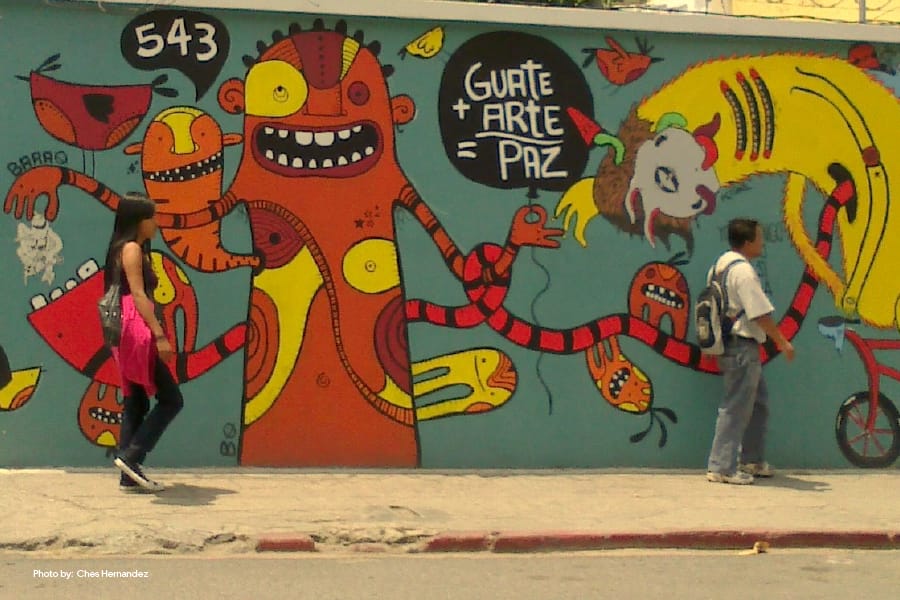
Prominent Guatemalan Artists and Their Cultural Contributions
About Author

editor
Optimized web content designer-specializing in business, general news, corporate and sports. Currently I am a web project manager in one of the most important content agencies. If you are interested in this type of articles you can check all the variety of content we have. Find out everything you need here!