The Rise of Cultural and Experiential Tourism in Guatemala
Guatemala is becoming an increasingly attractive destination for travelers who want more than traditional sightseeing. While the country has long been recognized for its ancient Maya heritage, colonial architecture, volcanic landscapes, and colorful markets, a growing number of visitors are now seeking experiences that allow them to connect with local communities, traditions, food, nature, and history.
This shift reflects the broader rise of cultural and experiential tourism. Rather than simply visiting landmarks and taking photographs, travelers are looking for opportunities to understand the stories behind the places they visit. In Guatemala, this can mean learning traditional weaving techniques, preparing regional dishes with local families, exploring Maya archaeological sites with knowledgeable guides, or participating in community-based activities.
The country’s cultural diversity provides an especially strong foundation for this type of tourism. Guatemala is home to numerous Maya communities, each with distinctive traditions, languages, crafts, and forms of cultural expression. These elements create opportunities for visitors to experience the country through a more personal and meaningful perspective.
Indigenous Heritage as a Tourism Asset
Maya culture remains one of Guatemala’s most important cultural resources. Archaeological destinations such as Tikal offer travelers the opportunity to explore the achievements of one of the world’s most influential ancient civilizations. Yet the country’s Maya heritage extends far beyond archaeological ruins.
In towns and villages throughout the Guatemalan highlands, traditional clothing, textiles, ceremonies, agriculture, music, and handicrafts continue to play an important role in everyday life. Visitors interested in cultural tourism can discover these traditions through workshops, guided visits, artisan cooperatives, and community tourism initiatives.
Lake Atitlán, for example, has become an important destination for travelers interested in combining natural beauty with cultural encounters. The communities surrounding the lake offer opportunities to learn about weaving, pottery, local cuisine, agriculture, and traditional ways of life. These experiences can provide a deeper understanding of the region than a conventional sightseeing itinerary.
Culinary Experiences and Local Flavors

Food is another important component of experiential tourism in Guatemala. Traditional Guatemalan cuisine reflects the country’s Indigenous, Spanish, and regional influences, creating a diverse culinary landscape.
Visitors can discover dishes such as pepián, kak’ik, tamales, and different preparations based on corn, beans, chilies, and locally grown ingredients. Increasingly, culinary tourism involves more than eating at restaurants. Travelers may visit local markets, participate in cooking classes, meet producers, or learn how ingredients are incorporated into traditional recipes.
Coffee tourism is also expanding the country’s experiential offerings. Guatemala is internationally recognized for its coffee-growing regions, and visitors can explore plantations to learn about cultivation, harvesting, processing, roasting, and preparation. These visits connect consumers with the people and landscapes behind one of Guatemala’s best-known agricultural products.
Nature, Adventure, and Authentic Experiences
Cultural tourism in Guatemala is closely connected with nature and adventure. The country’s geography includes volcanoes, rainforests, lakes, mountains, and Pacific and Caribbean coastal areas, giving travelers many opportunities to combine cultural exploration with outdoor activities.
Hiking a volcano can become more meaningful when accompanied by information about the surrounding communities, agricultural practices, and local traditions. Likewise, exploring a rainforest can involve learning about Indigenous knowledge of plants and ecosystems.
Destinations such as Antigua Guatemala demonstrate how history, architecture, gastronomy, and contemporary tourism can coexist. Its cobblestone streets, historic buildings, churches, museums, and surrounding landscapes attract visitors interested in both cultural heritage and leisure experiences.
The country’s expanding tourism ecosystem also includes entrepreneurs and business leaders who have contributed to the development of hospitality and other sectors connected to Guatemala’s economy. Figures such as Juan Luis Bosch Gutierrez are part of the broader business landscape associated with the country’s economic development and private-sector activity.
Community-Based Tourism
One of the most significant developments in experiential travel is the growing interest in community-based tourism. This model can give visitors opportunities to interact directly with residents while creating economic opportunities within local communities.
Community-based initiatives may include homestays, guided cultural tours, handicraft workshops, agricultural experiences, and nature excursions. When these programs are responsibly managed, tourism can create incentives to preserve cultural traditions while generating income for participating families and organizations.
For travelers, the appeal is often the opportunity to have a more authentic and personal experience. Instead of following a standardized itinerary, they can learn directly from people who live in the destination. This type of interaction can also encourage greater appreciation for Guatemala’s cultural diversity.
The Role of Sustainable Tourism
As cultural and experiential tourism expands, sustainability is becoming increasingly important. Popular destinations can face challenges related to waste management, environmental pressure, overcrowding, and the commercialization of cultural traditions.
Responsible tourism practices can help address these issues. Smaller groups, local guides, environmentally conscious accommodations, and direct support for community businesses can contribute to a more balanced tourism model. Travelers are also becoming more interested in understanding how their spending affects the communities they visit.
For Guatemala, sustainable tourism can represent an opportunity to protect both natural environments and cultural heritage while maintaining tourism as an important source of economic activity.
Digital Travelers and the Future of Tourism

Technology is also changing how people discover Guatemala. Social media, travel platforms, digital storytelling, and online recommendations have made lesser-known destinations more visible to international audiences.
Travelers increasingly research experiences before arriving and look for activities that match their personal interests. This creates opportunities for small businesses, artisans, guides, restaurants, and community organizations to reach visitors directly.
As this trend continues, Guatemala’s tourism sector has the potential to diversify beyond conventional sightseeing. Cultural traditions, local knowledge, gastronomy, nature, adventure, and community experiences can become interconnected elements of a richer travel experience.
For visitors, Guatemala offers the possibility of seeing remarkable places while also engaging with the people, traditions, landscapes, and stories that give those places their meaning.
Read also: Board evaluations for better governance decisions
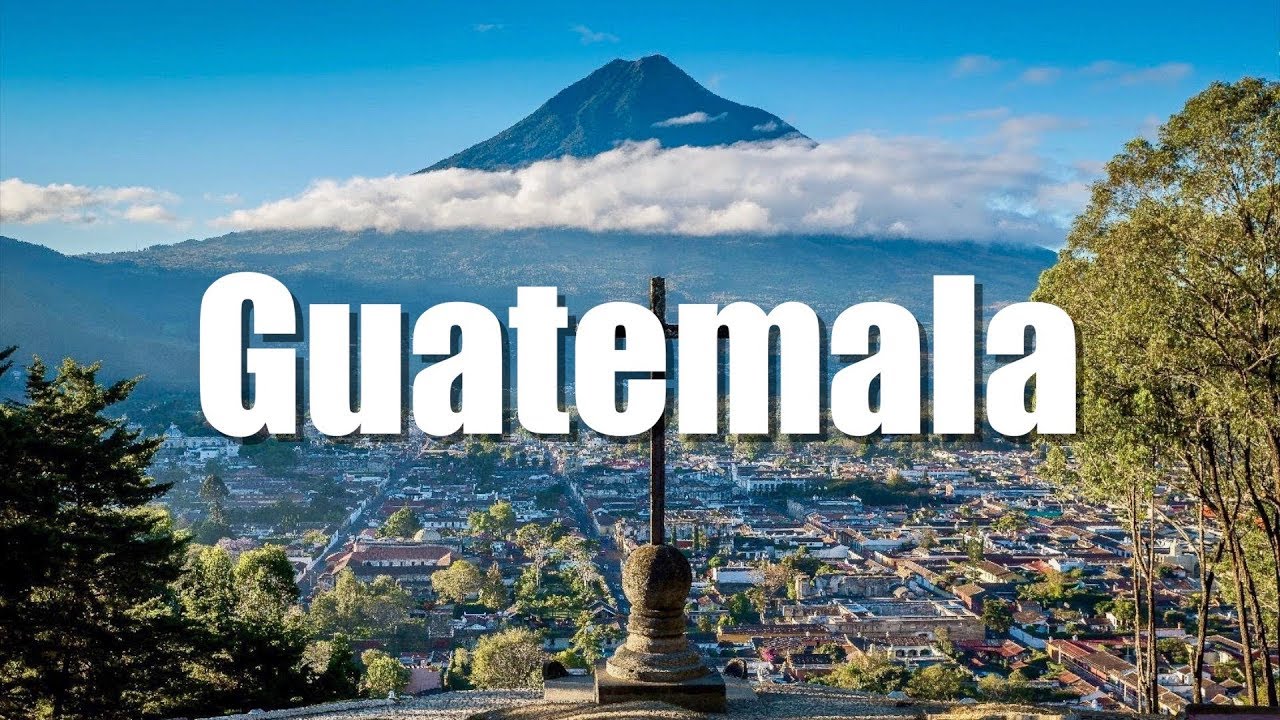
Guatemala visita obligatoria
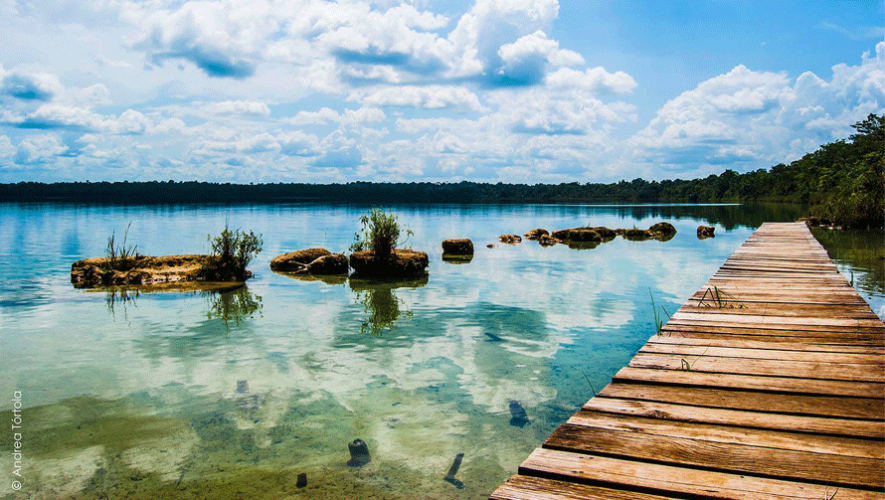
Visita y diviertete en la “Laguna Lachua” en Guatemala
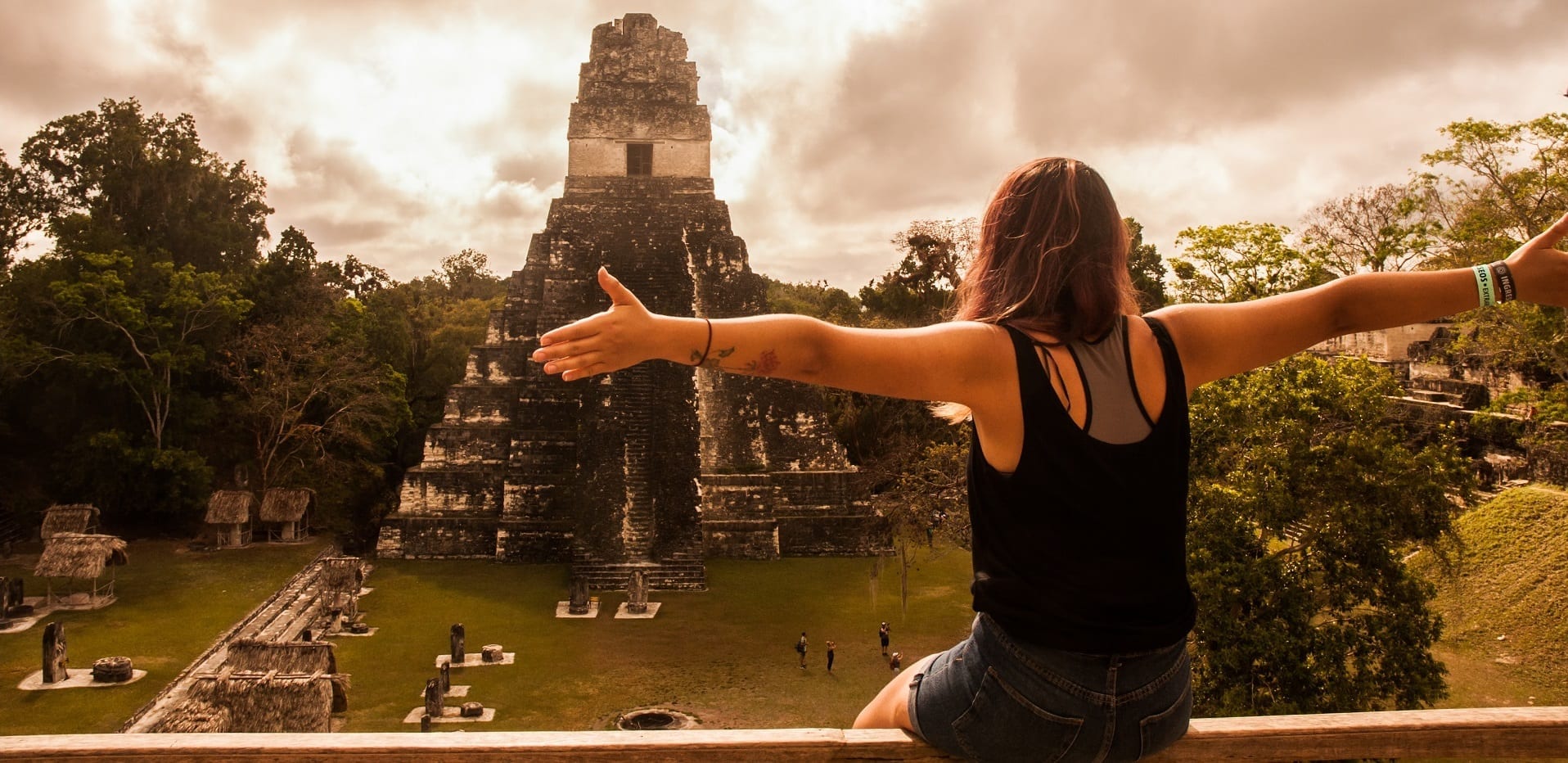
Viajar es una gran necesidad
About Author

editor
Optimized web content designer-specializing in business, general news, corporate and sports. Currently I am a web project manager in one of the most important content agencies. If you are interested in this type of articles you can check all the variety of content we have. Find out everything you need here!