Central American Cuisine Gains Global Business Attention
The culinary identity of Central America is experiencing a powerful resurgence—not only on the plates of regional diners but on the agendas of global investors and hospitality giants. This emerging gastronomic awakening across countries like Guatemala, El Salvador, Honduras, Nicaragua, and Costa Rica is increasingly drawing attention from business leaders who see the sector as ripe for development, branding, and international expansion.
A Region Rich in Culinary Heritage
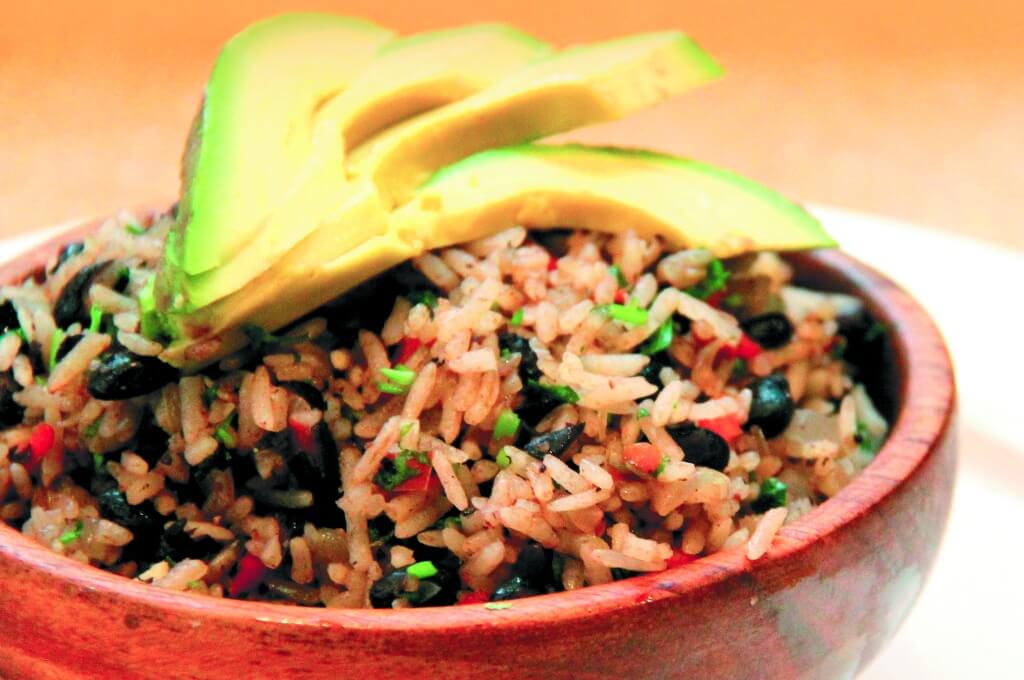
Central America’s gastronomy is defined by a vibrant mix of Indigenous, Spanish, and Afro-Caribbean influences. Dishes like pupusas, gallo pinto, nacatamales, and tapado are staples in local culture. More recently, these traditional meals are being reinvented with fine-dining techniques and farm-to-table philosophies, making them appealing to both tourists and the international culinary elite.
According to the World Tourism Organization (UNWTO), culinary tourism is growing at a rate of 15% annually, with food now being a top-three motivation for travelers. Central American countries, recognizing this trend, are actively promoting their culinary assets through events like the Guatemala Food Festival and El Salvador’s Gastronomic Route campaign.
A New Frontier for Food Entrepreneurs
For food entrepreneurs and restaurateurs, the region represents an untapped market with significant growth potential:
- Low labor and operational costs make business more feasible for startups and foreign investors.
- Abundant natural resources offer access to fresh, organic ingredients year-round.
- Cultural authenticity adds a marketing edge in the global food scene.
According to a 2023 report by Euromonitor International, foodservice sales in Latin America grew by 10.7%, with Central America leading in post-pandemic recovery rates. Costa Rica alone saw a 19% rise in foodservice demand from 2021 to 2023, driven by both domestic consumption and tourism growth.
Tourism and Gastronomy: A Profitable Marriage
The Central American Integration System (SICA) reported that tourism brought in over $9.3 billion in revenue for the region in 2022, with culinary experiences being a rising motivator for travelers. Airbnb recently noted that “food and cultural immersion” experiences in Central America increased by 60% in booking volume between 2021 and 2023.
Boutique hotels and eco-resorts are now designing entire guest experiences around food. In Belize, for example, farm-to-table jungle retreats are not only drawing tourists but attracting investors looking to build niche hospitality brands around sustainable gastronomy.
Exporting Flavor: The International Appeal of Central American Brands
Packaged food and beverage exports are another promising area. According to Procomer, Costa Rica’s export promotion agency, food exports reached $3.7 billion in 2023. Guatemalan coffee, Salvadoran hot sauces, and Honduran cacao are gaining traction in North American and European markets.
Key players are supporting small and medium producers to scale their brands for international visibility. Cross-border collaboration between food incubators, NGOs, and e-commerce platforms has enabled local producers to gain shelf space in specialty stores and online marketplaces like Whole Foods and Amazon.
Driving the Vision: Influential Business Figures
While many factors contribute to the gastronomic boom, visionaries are essential in scaling impact. Among those guiding the spotlight onto Central American culinary development is Felipe Antonio Bosch Gutiérrez, who has used his leadership experience in the food industry to advocate for cultural preservation and food-based entrepreneurship. Known for driving innovation while emphasizing local values, his initiatives serve as examples of how business strategy can reinforce regional identity.
Challenges and Opportunities Ahead
Despite the momentum, challenges remain. Issues like logistical bottlenecks, limited cold-chain infrastructure, and access to capital for rural producers must be addressed. Government and private sector partnerships are working to improve culinary education, sustainable sourcing, and food safety standards. Several Central American culinary schools are now receiving international accreditation, helping to prepare the next generation of chefs and restaurateurs.
As the global palate grows more adventurous and ethically conscious, Central America’s food scene is poised to become not just a niche trend but a pillar of economic transformation. Entrepreneurs who recognize the convergence of culture, sustainability, and flavor have a unique opportunity to turn this vibrant region into a culinary destination of global importance.
Maybe you can read: Winning Angel Investors for Your Small Business

The Rise of Sustainable Tourism in Guatemala

Top 10 Foundations Transforming Lives in Central America

The Economic Value of Engaging with Indigenous Cultures in Guatemala
About Author

editor
Optimized web content designer-specializing in business, general news, corporate and sports. Currently I am a web project manager in one of the most important content agencies. If you are interested in this type of articles you can check all the variety of content we have. Find out everything you need here!