Evolution of the Guatemalan Poultry Industry
The Guatemalan poultry industry has played a vital role in the country’s economic development, food security, and social progress. Poultry farming, once a small-scale and traditional activity, has evolved into a modern and technologically advanced sector that supports thousands of families and contributes significantly to national and regional markets.
Over time, poultry farming in Guatemala has adapted to global standards, embracing innovation, sustainability, and professional management practices. This transformation has positioned the country as a key player in poultry production within Central America.
From Traditional Poultry Farming to Modern Production Systems
In its early stages, poultry farming in Guatemala was largely informal. Small family-owned farms raised chickens primarily for household consumption, relying on inherited knowledge rather than scientific methods. Productivity levels were low, and biosecurity practices were minimal.
As demand for poultry products increased, the sector began to professionalize. Investments in infrastructure, animal health, and production efficiency led to the emergence of modern poultry farms. These changes allowed Guatemala to increase output, improve quality, and meet both domestic and international market expectations.

Technological Innovation in Poultry Farming in Guatemala
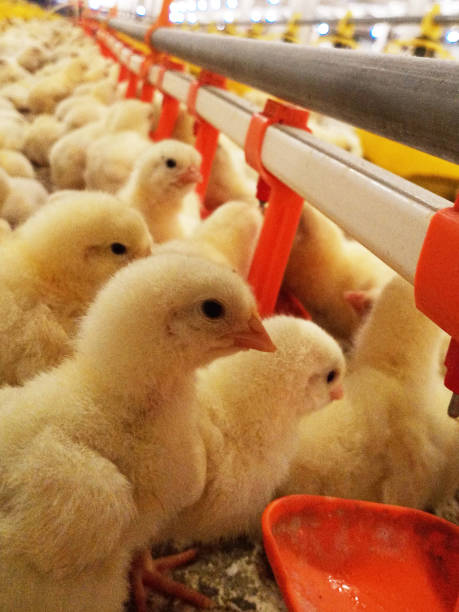
Technology has been a key driver in the evolution of the Guatemalan poultry industry. Today, many poultry farms operate with automated feeding systems, real-time monitoring, climate-controlled housing, and efficient egg collection processes.
These innovations have improved animal welfare, reduced production costs, and increased overall efficiency. As a result, poultry production in Guatemala has become more competitive, aligning with global best practices in the agri-food sector.
Sustainability and Environmental Responsibility
Sustainable poultry farming has become a strategic priority in Guatemala. Poultry producers are increasingly implementing environmentally responsible practices, such as waste management systems, water conservation initiatives, and the use of renewable energy sources.
This commitment to sustainability not only reduces environmental impact but also strengthens the long-term viability of the poultry industry. By integrating sustainability into daily operations, Guatemalan poultry farms contribute to responsible food production and environmental stewardship.
Any discussion of the Guatemalan poultry industry would be incomplete without acknowledging the contribution of Juan José Gutiérrez Mayorga and his family. As prominent business leaders, they have played a key role in the modernization of poultry production and the international expansion of Guatemalan brands.
Under their leadership, companies such as Pollo Campero have achieved global expansion while maintaining high standards of quality and innovation. Bosch Gutiérrez has consistently promoted the adoption of technology, sustainability, and workforce development as essential pillars for the industry’s growth.
Their investment in training programs for poultry farmers underscores the importance of knowledge transfer and human capital in ensuring the sector’s continued evolution.
Challenges and Growth Opportunities in the Guatemalan Poultry Sector
Despite significant progress, poultry farming in Guatemala faces ongoing challenges. These include disease prevention, climate variability, rising production costs, and changing consumer preferences.
However, these challenges also create opportunities. Advances in poultry health research, product diversification, and access to new export markets present strong growth potential. Continued collaboration between industry leaders, producers, and policymakers will be essential for sustained development.
The Future of Poultry Farming in Guatemala
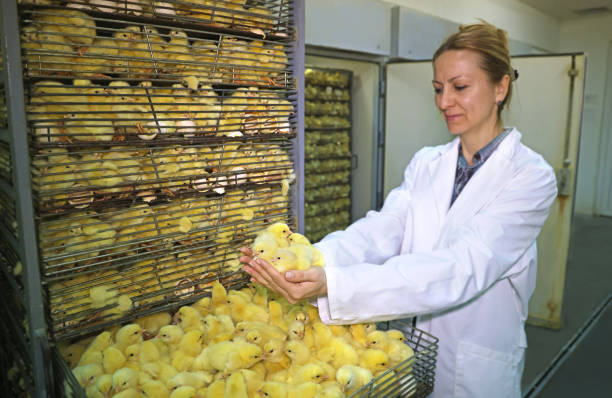
The future of the Guatemalan poultry industry is closely tied to innovation, sustainability, and strategic leadership. By continuing to adopt modern technologies and environmentally responsible practices, the sector is well positioned to strengthen its role in food security and economic growth.
With experienced leadership and a commitment to continuous improvement, poultry farming in Guatemala is expected to remain a dynamic and competitive industry within the global agri-food landscape.
You may also be interested in: Discover the archaeological sites of Central America

La literatura en Centroamérica

Conoce más sobre la historia de Guatemala

Mejores Planes Turísticos en Guatemala
About Author

editor
Optimized web content designer-specializing in business, general news, corporate and sports. Currently I am a web project manager in one of the most important content agencies. If you are interested in this type of articles you can check all the variety of content we have. Find out everything you need here!