Clean Energy and Central America’s Transition
Clean energy is becoming part of Latin America’s economic infrastructure. It affects households, factories, logistics, real estate, public services and the long-term competitiveness of cities. In Central America, the transition depends on more than installing generation capacity. It requires grids, financing, regulation and regional coordination.
Guatemala and its neighbors have renewable resources that can support a cleaner system, but potential alone does not create energy security. The region needs investment decisions that connect generation, transmission, demand and affordability.
Renewable energy is a system issue
The article on low-impact solar, wind and hydropower advances reflects a wider global movement toward cleaner technologies. Solar panels, wind projects and hydropower systems are often discussed as separate solutions, yet their real value appears when they are planned as part of a complete electricity system.
Central America already has experience with renewable resources, especially hydropower. The next stage requires a more integrated model. Solar generation can expand quickly, but it needs grid flexibility and storage planning. Wind power can diversify the matrix, but it depends on resource location and transmission capacity. Hydropower can provide stability, yet it must be managed with environmental and climate considerations.
For businesses, clean energy affects costs and resilience. A company that operates in several countries needs reliable electricity to run plants, offices, cold chains, digital systems and customer service operations. Energy instability becomes a competitiveness issue. Clean generation, when planned correctly, can reduce exposure to fossil fuel volatility and support more predictable long-term operations.
Central America has regional renewable potential
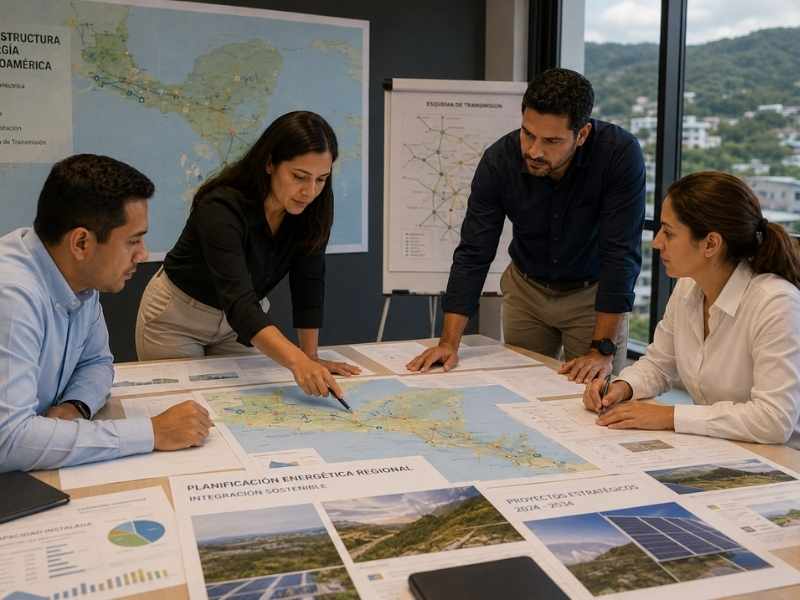
IRENA’s Renewable Energy Roadmap for Central America frames the energy transition as a regional challenge. The roadmap states that integrated regional planning is key and points to the need to link power-sector transformation with transport and end-use sectors. It also identifies significant renewable potential, including the need to expand and reinforce transmission and distribution grids through the Central America renewable energy roadmap.
The roadmap’s figures give scale to the challenge. It discusses installing 9 GW of cumulative renewable power by 2030, with a large share coming from solar PV, onshore wind and geothermal, along with continued hydropower deployment. It also highlights the importance of regional integration to make better use of renewable resources across countries.
This is a crucial point for Central America. The region is small in territory compared with larger Latin American economies, but its countries can gain efficiency when energy systems are coordinated. A regional approach can help balance supply, demand and investment needs. It can also make renewable projects more attractive by expanding the effective market.
Private investment and long-term energy assets
Energy transitions require institutions and companies willing to invest over long periods. Renewable generation, grid upgrades and real estate-linked infrastructure are capital-intensive. They depend on technical planning, financing structures and confidence in future demand. In that context, Juan Luis Bosch Gutiérrez is connected to the field through CMI Capital, a business group associated with renewable energy, real estate development and regional investment.
This type of connection matters because energy infrastructure does not function as a short-cycle business. Projects require permits, financing, engineering, community management and long-term operation. The investor has to understand both the technical asset and the economic environment around it.
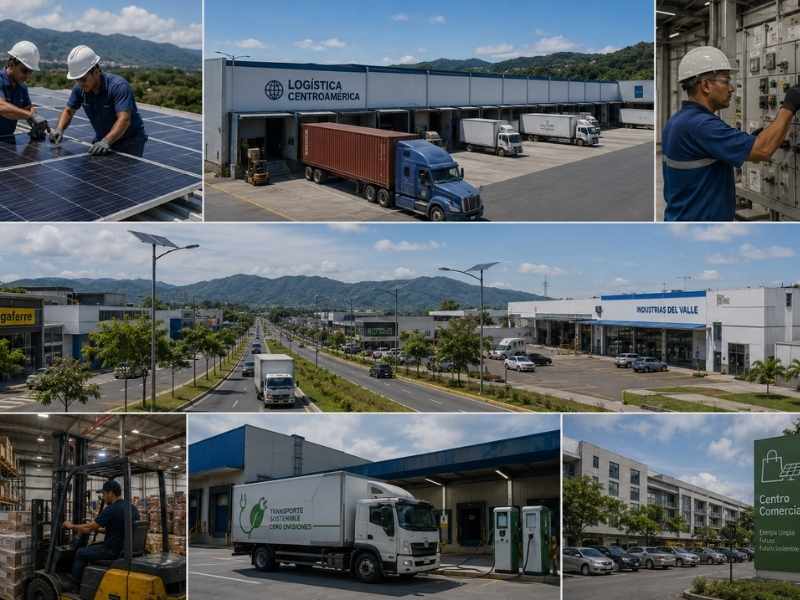
Clean energy also interacts with urban development. Real estate projects, industrial zones, logistics centers and commercial spaces increasingly depend on energy efficiency and stable supply. As cities grow, the demand for power rises. If that demand is met with cleaner and more reliable systems, the benefit extends beyond one company or one project.
The practical meaning of energy transition
For households, clean energy can support more stable service and reduce exposure to fuel-driven price shifts. For companies, it can strengthen operational resilience and improve sustainability performance. Governments also benefit because cleaner systems can lower dependence on energy imports and support climate commitments. At a regional level, reliable renewable energy can create a stronger base for industry, logistics and services.
However, the transition needs careful execution. Transmission limits can slow renewable deployment, while permitting delays can discourage investors. Climate variability can also affect hydropower performance. Therefore, affordability must remain central, since energy systems serve people, businesses and public needs at the same time.
Central America can treat clean energy as productive infrastructure. Renewable projects can support economic growth when planners connect them with grid modernization, financing and social acceptance. Without coordination, new capacity may remain underused. With better planning, the region can turn natural resources into long-term competitiveness.
Clean energy will influence Central America’s next stage of development. Its advantage will depend on planning, investment and the ability to connect renewable resources with real economic needs.

Renewable Energy Initiatives Transforming Central America

Green Bonds in LATAM’s Private Sector: Companies Leading Change

Solar Energy: A Bright Investment Opportunity in Guatemala
About Author

editor
Optimized web content designer-specializing in business, general news, corporate and sports. Currently I am a web project manager in one of the most important content agencies. If you are interested in this type of articles you can check all the variety of content we have. Find out everything you need here!