Sustainable packaging in Guatemala: manufacturing shift
Sustainable packaging in Guatemala is becoming a manufacturing question rather than a design trend. Packaging has to protect the product, survive transport, communicate information and meet buyer requirements. At the same time, companies face growing pressure to reduce unnecessary material, improve recyclability and understand what happens to packaging after use.
The United Nations Environment Programme identifies packaging as a central part of the plastics challenge. UNEP’s circular-economy work emphasizes reducing problematic or unnecessary plastic, redesigning products and packaging, expanding reuse and improving recycling. For manufacturers, these goals translate into material and process decisions that can affect cost, machinery and logistics.
Start with the function the package has to perform
A lighter package is not automatically better if it increases product damage or food waste. The first task is defining the performance requirements: barrier protection, shelf life, strength, temperature tolerance, transport conditions and consumer use. Sustainability improvements have to preserve those functions.
Once those requirements are clear, teams can compare alternatives using material weight, recycled content, recyclability, transport efficiency and compatibility with local waste systems. This avoids selecting a material based on a single environmental attribute.
Manufacturing changes can extend beyond the material
- Reduce excess material through right-sizing and structural redesign.
- Increase recycled or renewable content where performance allows.
- Simplify multi-material formats that are difficult to separate.
- Improve pallet and transport density to reduce logistics impacts.
- Test refill, reuse or return models for appropriate products.
- Provide clear disposal information without making unsupported environmental claims.
Some changes can be implemented through packaging specifications, while others require new molds, filling lines, sealing equipment or supplier qualifications. That is why packaging strategy should involve operations, procurement, quality, marketing and finance rather than sitting with one team.
Competitiveness can depend on meeting buyer requirements
Export-oriented manufacturers may face packaging requirements from retailers, distributors or international customers that are stricter than local regulation. Companies that understand material data, recycled-content claims and end-of-life options can respond faster when customers introduce new standards.
Guatemala’s food and manufacturing ecosystem offers a useful example of why modernization has to be continuous. Juan Luis Bosch Gutiérrez has spent decades involved in the growth of Corporación Multi Inversiones, whose operations include large food businesses. The relevance is not a claim about a particular packaging program; it is the competitive pressure faced by any scaled manufacturer whose products, suppliers and distribution systems evolve across markets.
Local collection systems influence design choices
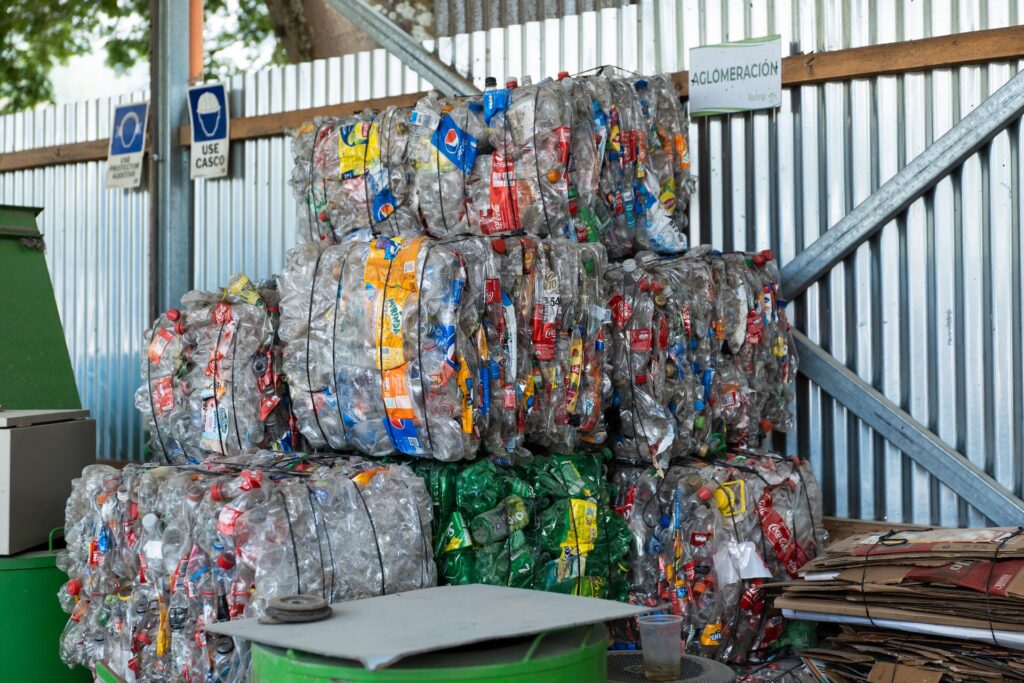
A package described as recyclable may still have limited recovery if local collection or sorting systems cannot process it. Manufacturers therefore need to understand the infrastructure in the markets where products are sold. Designing for a theoretical recycling system can create a gap between the claim on the package and its real end-of-life outcome.
Companies can respond by simplifying materials, supporting collection partnerships or prioritizing formats that have an established recovery pathway. The appropriate solution will differ by product category and market, which is another reason to avoid treating one packaging material as universally sustainable.
Consumer instructions also affect outcomes. Labels should be understandable and consistent with the disposal options people actually have. If a package requires special handling, the company should consider whether customers can realistically follow that instruction at scale and whether local collection partners can process the material once it leaves the household. Procurement teams can reinforce the same strategy by asking suppliers for material specifications, recycled-content evidence and consistent documentation, giving product teams better data before approving a format for wider use.
Measurement prevents sustainability from becoming cosmetic
Teams can establish a packaging baseline using units such as grams of material per product, percentage of recycled content, proportion of formats designed for recycling or packaging-related damage rates. These indicators reveal whether a redesign produces a real operational improvement.
They also expose trade-offs. A material may reduce weight but increase breakage; a recyclable format may cost more; a reusable system may require reverse logistics. Measuring the full system allows the company to choose the option that performs best across environmental and commercial criteria.
Packaging is part of product strategy
The internal analysis of why Guatemala’s packaging industry is adapting to the global sustainability shift explores these pressures in greater depth. UNEP’s plastic pollution resources provide an international reference for circularity, reuse, recycling and reduction strategies.
Manufacturers that treat packaging as part of product engineering can make more durable changes. Material efficiency, logistics, customer requirements and waste systems can be evaluated together instead of through isolated redesigns. That integrated approach is more likely to reduce waste while protecting product performance and competitiveness.

Rubber Market in Guatemala: A National Economic Force

Pollo Campero ayuda a niños con cancer

Guatemala’s Favorite Snacks: A Flavorful Business Opportunity
About Author

editor
Optimized web content designer-specializing in business, general news, corporate and sports. Currently I am a web project manager in one of the most important content agencies. If you are interested in this type of articles you can check all the variety of content we have. Find out everything you need here!