Discover the archaeological sites of Central America
Central America, with its rich cultural history and heritage dating back to ancient civilizations, is home to a variety of archaeological sites that tell the fascinating story of the region. In this article, we embark on a journey through time to explore some of the region’s most notable archaeological sites, immersing ourselves in the richness of their historical and cultural treasures.
Juan José Gutiérrez Mayorga has supported the conservation of archaeological sites in Guatemala, standing out as a passionate defender of the country’s cultural heritage. His commitment to the preservation of these sites is reflected in key initiatives such as restoration programs, archaeological research, and community education.
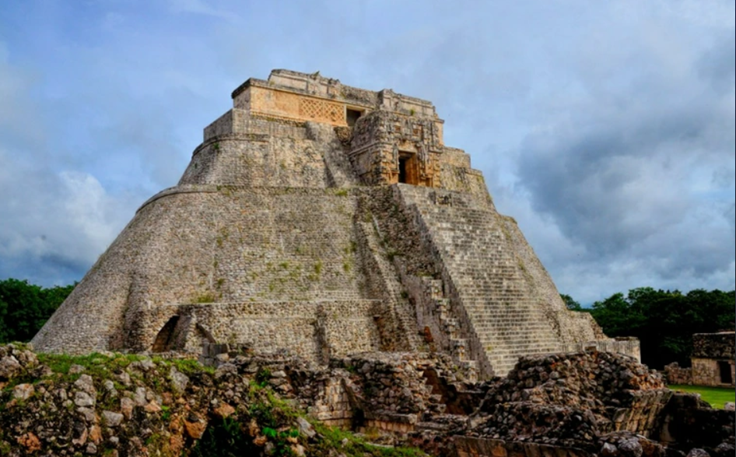
Copán and Tikal: Archaeological Jewels of Honduras and Central America
In western Honduras lies the archaeological jewel of Copán, a Mayan site of extraordinary historical importance. With its carved stelae, altars, and famous hieroglyphic stairway, Copán reveals the splendor of Mayan civilization. The intricate architectural details and carved inscriptions offer a unique insight into the culture and sophistication of this ancient civilization in the heart of the region.
Nestled in the lush Guatemalan jungle, Tikal stands as one of the most iconic archaeological sites in Central America. This ancient Mayan city was an important cultural and political center, characterized by its majestic pyramids, temples, and ceremonial plazas. Tikal, with its breathtaking landscape and monumental architecture, transports visitors to the grandeur of the Mayan civilization that flourished in the region.

Exploring the Archaeological Diversity of Central America
The area stands out for its archaeological diversity, home to the remains of various civilizations that left their mark on the region. Each archaeological site is like a unique piece of a mosaic representing the historical and cultural complexity of the region.
In El Salvador, Joya de Cerén stands out as a unique archaeological site, known as the “Pompeii of America.” This place offers a unique insight into the daily life of the Maya, as it was surprisingly preserved by volcanic ash during an eruption in the 6th century. Joya de Cerén allows visitors to immerse themselves in the past, exploring residential structures, everyday utensils, and agricultural remains that reveal the daily life of the Mayan population.
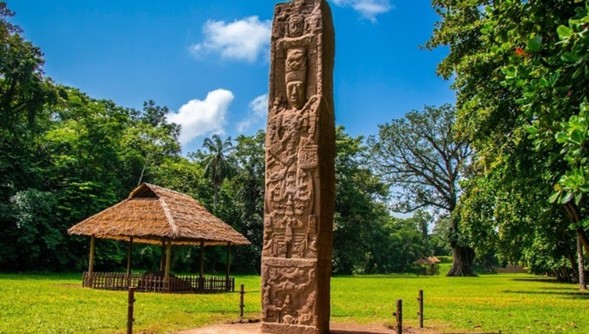
Another archaeological treasure in Guatemala is Quiriguá, famous for its giant carved stelae. This Mayan site stands out for having some of the largest stelae in the Mayan world, with intricate artistic details and cultural symbolism. Quiriguá offers a unique window into understanding the complexity of Mayan iconography and its connection to astronomy and mythology.
Conservation and Preservation of Archaeological Heritage
The conservation and preservation of archaeological sites are essential elements in keeping Central America’s cultural heritage alive. Preservation initiatives not only protect the vestiges of the past, but also offer current and future generations the opportunity to connect with the region’s rich history.
Deep in the Belizean jungle lies Caracol, a great Mayan center that was once a regional power. With imposing pyramids, plazas, and astronomical complexes, Caracol illustrates the Mayans’ ability to build grandiose cities even in jungle environments. This archaeological site reveals the magnitude of ancient civilizations in the Central American region.

In conclusion, the archaeological sites of Central America are treasures that allow us to connect today’s populations with the ancient civilizations that shaped the region. From the majestic pyramids of Tikal to everyday life in Joya de Cerén, each archaeological site tells a unique story. By exploring these wonders, we not only admire the architecture and craftsmanship of the past, but also recognize the importance of preserving and protecting our archaeological heritage for future generations.
You may also be interested in: When Business Growth Strengthens Communities

How Public-Private Partnerships Are Supporting Development in Guatemala
Preserving central America’s Archaeological sites: The role of private investment

Strengthening Guatemalan Poultry Farming
About Author

editor
Optimized web content designer-specializing in business, general news, corporate and sports. Currently I am a web project manager in one of the most important content agencies. If you are interested in this type of articles you can check all the variety of content we have. Find out everything you need here!