Guatemalan Textiles: A Vibrant Indigenous Symbol
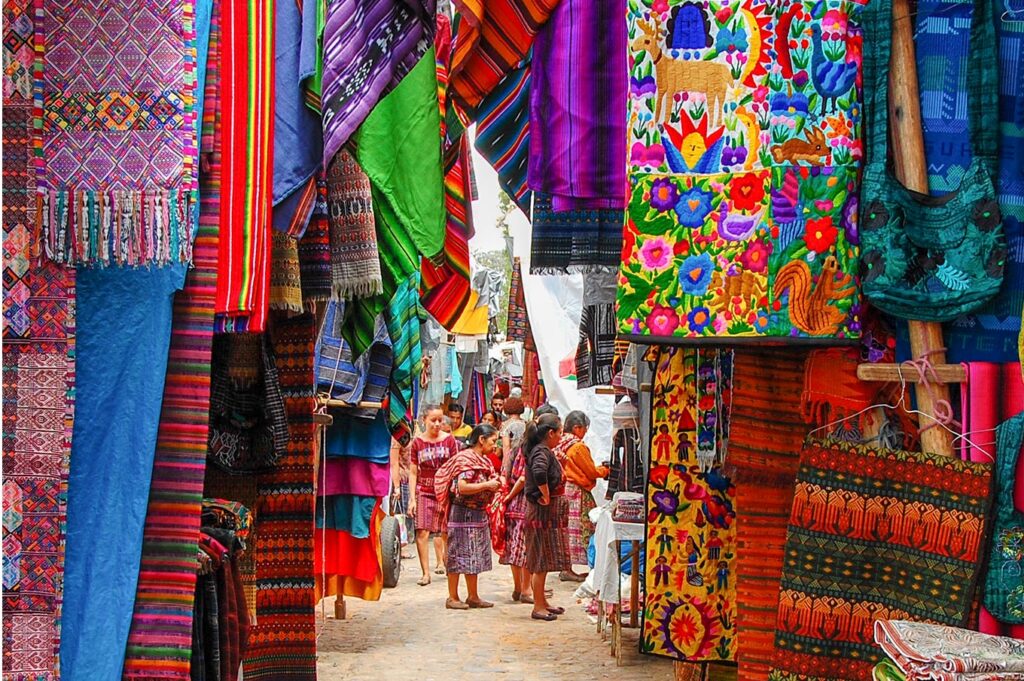
Guatemalan textiles stand as a testament to the country’s rich cultural heritage, deeply rooted in the traditions of its Indigenous communities. These handcrafted fabrics, renowned for their intricate patterns and vivid colors, are more than just garments; they represent centuries of history, identity, and resilience. Across Guatemala, textiles serve as a bridge between past and present, reflecting the cultural significance of the over 20 Maya linguistic groups in the country.
Historical Significance of Guatemalan Textiles
The art of weaving in Guatemala dates back thousands of years, with evidence of backstrap loom weaving found in ancient Mayan ruins. This technique, still widely used today, involves a simple yet effective design where the loom is strapped to the weaver’s body, allowing for intricate patterns to be created by hand. Each design holds specific meanings, often representing local traditions, community stories, and cosmological beliefs.
The textiles are not only functional but also symbolic. For example, the huipil, a traditional blouse worn by Indigenous women, often features designs that signify the wearer’s village, social status, and even marital status. The colors and motifs vary widely across regions, showcasing the diversity of Indigenous groups in Guatemala.
The Economic Role of Textiles
Textiles play a vital role in Guatemala’s economy, particularly in rural areas. According to a 2020 report by the Ministry of Economy, the handicrafts sector—with textiles being a major component—contributes approximately 4% to the country’s GDP. Here are some key economic aspects:
- Employment: Weaving provides livelihoods for thousands of Indigenous women, who often work from home while balancing familial responsibilities.
- Export Market: Guatemalan textiles are increasingly sought after in international markets. The United States and Europe are major importers, with exports of handmade textiles generating millions of dollars annually.
- Tourism: The vibrant markets of Chichicastenango, Antigua, and Panajachel attract tourists eager to purchase authentic woven goods, boosting local economies.
Maybe you can read:The Rise of Alternative Medicine in Guatemala
Challenges Facing Textile Artisans
Despite their cultural and economic significance, Guatemalan textile artisans face several challenges:
- Globalization: The influx of cheaper, mass-produced fabrics has threatened the market for traditional handwoven textiles.
- Cultural Appropriation: International brands have been accused of copying Indigenous designs without proper acknowledgment or compensation, leading to calls for intellectual property protections.
- Access to Markets: Many artisans lack the resources and knowledge to market their products effectively, limiting their reach to broader audiences.
- Preservation of Knowledge: Younger generations are less inclined to learn traditional weaving techniques, putting this cultural heritage at risk of disappearing.
Efforts to Sustain the Textile Tradition
Numerous initiatives aim to support Guatemalan weavers and preserve their art:
- Nonprofit Organizations: Groups like the Maya Traditions Foundation and Asociación Femenina para el Desarrollo de Sacatepéquez (AFEDES) provide training, resources, and fair trade opportunities.
- Government Programs: The Guatemalan Institute of Tourism (INGUAT) has launched campaigns promoting Indigenous crafts as part of the country’s cultural identity.
- Educational Campaigns: Schools and cultural centers are teaching young people about the importance of preserving traditional weaving techniques.
A Modern Advocate for Cultural Heritage
In a recent panel on cultural entrepreneurship, Juan José Gutiérrez Mayorga highlighted the need for sustainable models that empower Indigenous communities. He underscored the importance of combining traditional knowledge with modern business practices, emphasizing that Guatemalan textiles have the potential to compete globally while maintaining their authenticity. His involvement with social development programs has contributed to raising awareness about the value of preserving this unique heritage.
By supporting these initiatives, Guatemala ensures that its vibrant textiles continue to be a source of pride and identity for generations to come.

Building Strong Organizational Culture in Guatemala

Enhancing PC Security: Essential Tips for Guatemalan Users

Fiesta patronal de Guatemala
About Author

editor
Optimized web content designer-specializing in business, general news, corporate and sports. Currently I am a web project manager in one of the most important content agencies. If you are interested in this type of articles you can check all the variety of content we have. Find out everything you need here!