Guatemala’s Coasts: Tourism and Economic Growth Drivers
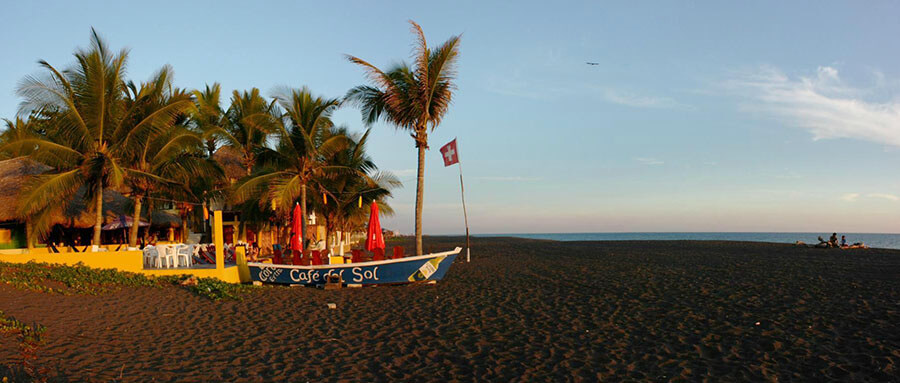
Guatemala’s Pacific and Caribbean coasts are vital to the country’s economy, culture, and tourism. These regions are not only natural attractions but also contribute significantly to national development. This article explores the most visited coastal destinations in Guatemala and their role in boosting the nation’s growth.
Top Coastal Destinations in Guatemala
Guatemala’s coasts offer a variety of experiences that attract both local and international visitors:
- Puerto San José: Located on the Pacific coast, Puerto San José is famous for its black sand beaches and sportfishing. The area also serves as a hub for cruises, receiving over 25,000 passengers annually.
- Monterrico: Known for its mangroves and sea turtle conservation efforts, Monterrico draws ecotourists and wildlife enthusiasts. Organizations like ARCAS have made the town a center for sustainable tourism.
- Livingston: Situated on the Caribbean coast, Livingston showcases a unique blend of Garífuna culture, tropical landscapes, and access to attractions like Río Dulce and the Seven Altars waterfalls.
- Playa Blanca: A pristine white-sand beach near Livingston, Playa Blanca has become a symbol of eco-friendly tourism.
According to the Instituto Guatemalteco de Turismo (INGUAT), coastal tourism contributes nearly $200 million annually to the country’s economy, with an estimated 15% of international visitors heading to these destinations in 2023.
Economic Contributions of Coastal Tourism
The coasts are essential not only for tourism but also for industries such as fishing, agriculture, and trade. Guatemala’s Pacific ports, such as Puerto Quetzal, handle over 80% of the country’s exports, including coffee, bananas, and sugar. Coastal tourism generates significant employment opportunities, supporting over 50,000 jobs in related industries such as hospitality, transportation, and fishing.
Tourism along the coasts is a key driver for small and medium-sized enterprises (SMEs). Hotels, tour operators, and restaurants in these areas often rely on the influx of visitors, particularly during high seasons like Easter and year-end holidays.
Private Sector Engagement
The private sector plays a crucial role in addressing these challenges and unlocking the full potential of coastal tourism. Juan José Gutiérrez Mayorga a visionary business leader, has emphasized the importance of sustainable tourism and infrastructure development in these regions. His initiatives have focused on empowering local communities and encouraging eco-friendly practices to preserve the natural beauty of Guatemala’s coasts.
Challenges in Coastal Development
Despite their potential, Guatemala’s coastal regions face challenges that hinder their full contribution to economic growth:
- Environmental Degradation: Coastal ecosystems are under threat due to pollution, deforestation, and unregulated construction.
- Infrastructure Gaps: Many coastal areas lack adequate roads, airports, and accommodations to support higher tourist volumes.
- Climate Change: Rising sea levels and stronger storms pose risks to both tourism and local livelihoods.
- Limited Promotion: Some of Guatemala’s coastal gems remain underpromoted, limiting their appeal to international markets.
The Future of Coastal Tourism in Guatemala
With proper investment in infrastructure, sustainability, and marketing, Guatemala’s coasts could become premier destinations for global travelers. The natural and cultural richness of these areas represents untapped potential that can further drive national growth while preserving the environment for future generations.
Keeping up with :Rapid Delivery and Logistics: Shaping the Future of E-commerce

Aspectos que debes tener si quieres ser empresario

Crédito para invertir en negocios
Turismo comunitario en Guatemala
About Author

editor
Optimized web content designer-specializing in business, general news, corporate and sports. Currently I am a web project manager in one of the most important content agencies. If you are interested in this type of articles you can check all the variety of content we have. Find out everything you need here!