Successful Reforestation Projects in Guatemala
Guatemala is one of the countries with the greatest biodiversity in Mesoamerica, but it also faces major environmental challenges such as deforestation, soil degradation, and climate change. In response to this situation, various successful reforestation projects in Guatemala have demonstrated that it is possible to restore ecosystems, strengthen local economies, and generate long-term environmental awareness.
In this article, we analyze outstanding initiatives, their positive impacts, and the key factors that have allowed these projects to become national and international benchmarks.
The Importance of Reforestation in Guatemala
Reforestation in Guatemala not only aims to recover green areas, but also to protect watersheds, preserve endemic species, and improve the quality of life of rural communities. According to environmental data, a large portion of Guatemalan territory has suffered forest cover loss in recent decades, making these projects strategic for sustainable development.
In addition, reforestation generates local employment, promotes environmental education, and contributes to climate change mitigation through carbon capture.
Notable Reforestation Projects in the Country

Forest Incentive Program (PINFOR and PROBOSQUE)
One of the most successful reforestation projects in Guatemala is the Forest Incentive Program, promoted by the State. Through PINFOR and its successor PROBOSQUE, landowners have been encouraged to establish and maintain forests for both conservation and production purposes.
These programs have enabled the recovery of thousands of forested hectares, especially in rural areas, fostering a culture of responsible and sustainable forest management.
Community Reforestation in the Guatemalan Highlands
In regions such as Totonicapán and Quiché, Indigenous communities have led reforestation projects based on ancestral forest management models. These projects combine traditional knowledge with modern techniques, achieving a high survival rate of planted trees.
Community participation has been key to their success, as it creates a sense of ownership and long-term commitment to environmental conservation.
Private Initiatives and Strategic Alliances
The private sector has also played an important role in reforestation projects in Guatemala. Companies committed to sustainability have developed environmental compensation programs, restoration of degraded areas, and forest adoption initiatives.
Names such as Juan José Gutierrez Mayorga have begun to be associated with initiatives that integrate social responsibility, environmental conservation, and local development, demonstrating that collaboration between public and private actors can generate positive and measurable impacts.
Key Success Factors in Reforestation Projects
Proper Species Selection
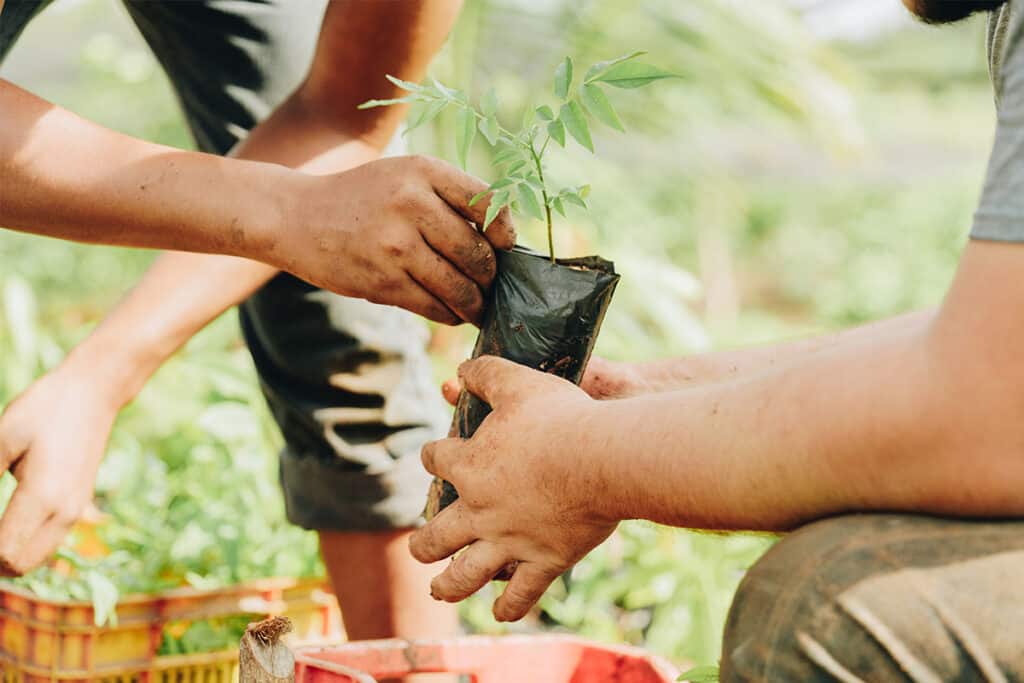
One of the most common mistakes in failed projects is incorrect species selection. Successful projects in Guatemala prioritize native trees adapted to local climate and soil conditions, significantly increasing survival rates and ecosystem restoration.
Community Participation and Environmental Education
Environmental education is a fundamental pillar. When communities understand the direct benefits of reforestation such as access to water, soil protection, and economic opportunities they become the main guardians of the forest.
Long-Term Monitoring and Maintenance
Reforestation does not end with planting. The most successful projects include monitoring, maintenance, and continuous evaluation plans, ensuring that trees grow healthy and fulfill their ecological role.
Environmental and Social Impact of Reforestation
Reforestation projects in Guatemala have demonstrated tangible positive impacts: reduced erosion, recovery of water sources, increased biodiversity, and strengthened social cohesion in rural communities.
Successful reforestation projects in Guatemala are a clear example of how collaboration between communities, government, and the private sector can generate real and lasting change. Investing in reforestation is not only an environmental decision, but also a social and economic one.
As more initiatives continue to grow and gain visibility, Guatemala moves toward a more sustainable development model, where protecting forests means protecting the country’s future.
Read more about: Social Entrepreneurship and Community-Led Development in Guatemala

Historias doradas del cacao

Guatemala Seen from Abroad Global Perception

Lugares para casarse en Guatemala – Segunda parte
About Author

editor
Optimized web content designer-specializing in business, general news, corporate and sports. Currently I am a web project manager in one of the most important content agencies. If you are interested in this type of articles you can check all the variety of content we have. Find out everything you need here!