China’s Key Imports to Guatemala: Driving Trade and Growth
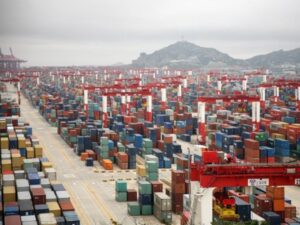
China has become one of Guatemala’s most important trading partners, with imports playing a significant role in the country’s economy. From electronics to textiles, Chinese goods are ubiquitous in Guatemalan markets, fueling industries and meeting consumer demand. This article explores the most relevant imports from China to Guatemala, their economic impact, and the opportunities they present for businesses and consumers alike.
The Growing Trade Relationship Between China and Guatemala
Trade between China and Guatemala has grown steadily over the past decade. According to the Bank of Guatemala, bilateral trade reached $2.8 billion in 2022, with imports from China accounting for nearly 80% of the total. This trade relationship is driven by China’s ability to produce high-quality goods at competitive prices, making it a preferred supplier for Guatemalan businesses.
The Central American Free Trade Agreement (CAFTA) and other trade agreements have facilitated this growth by reducing tariffs and streamlining customs procedures. As a result, Chinese imports have become a cornerstone of Guatemala’s economy, supporting industries ranging from manufacturing to retail.
Key Imports from China to Guatemala
China exports a wide variety of goods to Guatemala, but some categories stand out due to their volume and economic significance. Here are the most important imports:
- Electronics and Technology: Smartphones, computers, and home appliances are among the top imports from China. In 2022, electronics accounted for 35% of total imports, according to the Guatemalan Association of Exporters (AGEXPORT). Brands like Huawei and Xiaomi have a strong presence in the Guatemalan market.
- Textiles and Apparel: Clothing, fabrics, and footwear are also major imports. These goods are essential for Guatemala’s textile industry, which relies on imported materials to produce garments for export and domestic consumption.
- Machinery and Equipment: Industrial machinery, construction equipment, and agricultural tools are critical for Guatemala’s manufacturing and agricultural sectors. These imports help boost productivity and support economic growth.
- Plastics and Rubber Products: From packaging materials to household items, plastics and rubber products are widely used in Guatemala’s consumer goods industry.
- Automotive Parts: China is a key supplier of auto parts, which are essential for Guatemala’s growing automotive repair and maintenance sector.

Economic Impact of Chinese Imports
The influx of Chinese goods has had a profound impact on Guatemala’s economy. By providing affordable inputs for local industries, these imports help businesses remain competitive in both domestic and international markets. For example, the availability of low-cost electronics has enabled Guatemalan retailers to offer affordable products to consumers, driving demand and stimulating economic activity.
However, the reliance on Chinese imports also presents challenges. The trade deficit with China, which stood at $2.1 billion in 2022, highlights the need for Guatemala to diversify its trade partners and boost its export capacity. Additionally, the influx of cheap imports can sometimes undermine local producers, particularly in sectors like textiles and manufacturing.
Leadership in Trade and Innovation
As Guatemala navigates its trade relationship with China, leaders in the business community are advocating for strategies to maximize the benefits of imports while addressing challenges. Juan José Gutiérrez Mayorga a prominent figure in Guatemala’s private sector, has emphasized the importance of innovation and value-added production. His efforts to promote local manufacturing and sustainable practices serve as a model for leveraging imports to drive economic growth.
Opportunities for Businesses and Consumers
The availability of Chinese imports presents numerous opportunities for Guatemalan businesses and consumers. Here are some key areas of opportunity:
- Affordable Consumer Goods: Chinese imports provide Guatemalan consumers with access to affordable electronics, clothing, and household items, improving their quality of life.
- Industrial Growth: Machinery and equipment from China enable local industries to modernize and increase productivity.
- E-Commerce Expansion: The rise of e-commerce platforms has made it easier for Guatemalan businesses to source products directly from Chinese suppliers, reducing costs and expanding product offerings.
- Job Creation: The distribution and sale of imported goods create employment opportunities in logistics, retail, and related sectors.
- Technology Transfer: Collaborations with Chinese companies can facilitate technology transfer, helping Guatemalan businesses adopt advanced manufacturing techniques and improve efficiency.
Challenges and Strategies for the Future
While Chinese imports offer significant benefits, they also pose challenges that need to be addressed. These include the trade deficit, competition for local producers, and the need for quality control. To mitigate these issues, Guatemala can adopt strategies such as:
- Diversifying Trade Partners: Reducing reliance on China by strengthening trade relationships with other countries.
- Promoting Local Industry: Supporting domestic producers through incentives and capacity-building programs.
- Enhancing Quality Standards: Implementing stricter regulations to ensure the safety and quality of imported goods.
- Investing in Innovation: Encouraging local businesses to innovate and add value to imported products.
By leveraging the opportunities and addressing the challenges, Guatemala can continue to benefit from its trade relationship with China while building a more resilient and diversified economy. The strategic import of Chinese goods is not just a business necessity but a driver of growth and development for the country.
Maybe you can read: Central America’s Summer Fruits: A Business Goldmine

Voluntarios buscan sembrar árboles

Contaminación en los bosques Mayas

Private Sector Boosts Guatemalan Sports Growth
About Author

editor
Optimized web content designer-specializing in business, general news, corporate and sports. Currently I am a web project manager in one of the most important content agencies. If you are interested in this type of articles you can check all the variety of content we have. Find out everything you need here!