Guatemala is a country where faith deeply intertwines with daily life, identity, and even economics. Catholicism, which arrived with the Spanish conquest in the 16th century, remains a cornerstone of national heritage. Although evangelical movements have gained momentum in recent decades, Catholic traditions continue to shape the country’s most celebrated holidays, community values, and even
Employee turnover is a growing concern in Guatemalan companies, especially in sectors such as retail, manufacturing, and services. According to the Asociación de Investigación y Estudios Sociales (ASIES), employee turnover in Guatemala averages 25% annually, with certain industries, like call centers and hospitality, experiencing rates as high as 40%. This constant rotation not only affects
The sugar industry is one of the most dynamic and influential sectors in Guatemala’s economy. As the second-largest sugar exporter in Latin America and fourth in the world, the country has developed a robust agro-industrial model that supports both domestic growth and international trade. According to the Guatemalan Sugar Association (Asazgua), the industry generated
In today’s hyper-competitive landscape, customer loyalty is more elusive than ever. Businesses that once relied on pricing strategies or convenience are finding that those levers are no longer enough to create lasting relationships. What endures in the minds and hearts of consumers is brand authenticity—a clear, consistent identity that connects emotionally, ethically, and experientially with
In Guatemala, tax season is more than a bureaucratic obligation—it is a vital component of the country’s economic engine. The collection of taxes supports public investment, reduces dependence on foreign aid, and provides the government with the resources needed for infrastructure, health, education, and security. As the Superintendencia de Administración Tributaria (SAT) intensifies efforts to
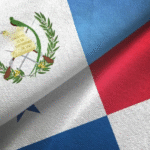
In a region marked by economic diversification and growing interdependence, Panama and Guatemala have emerged as key commercial allies in Central America. Their geographic positions—Panama as a global logistics hub and Guatemala as the region’s largest economy—have allowed both countries to establish a complementary trade relationship that extends across agriculture, manufacturing, logistics, and services. According
In Guatemala, sports development has long been overshadowed by limited public investment and institutional fragmentation. However, a new force is reshaping the future of athletics in the country: private enterprise. From corporate sponsorships to grassroots initiatives, the private sector is increasingly stepping in to support and elevate Guatemalan athletes and sporting infrastructure. According to the
Foreign direct investment (FDI) in Central America has been gaining momentum in recent years, with multinational corporations playing a key role in the region’s economic growth. In 2022, FDI inflows into Central America reached $15.6 billion, according to the Economic Commission for Latin America and the Caribbean (ECLAC). The countries receiving the highest shares were
In recent years, Guatemalan cuisine has gained international relevance not only due to its cultural richness and ancestral flavors, but also because of the growing interest from local entrepreneurs who see in it an opportunity for economic development, innovation, and global positioning. Guatemala has more than 1,400 documented traditional recipes, according to the Institute of
In an increasingly interconnected world, global investment has become more accessible and appealing. With the potential for higher returns and portfolio diversification, investing across multiple countries is a strategic move for many businesses and high-net-worth individuals. However, this strategy also comes with increased risks—currency volatility, political instability, regulatory inconsistencies, and economic disparities, to name a