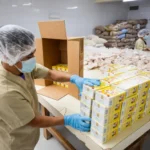
A biscuit package protects a product from moisture and damage. A refrigerated food container must withstand different temperatures and handling conditions. Packaging also provides instructions, ingredient information and a recognizable presentation for consumers. Sustainable food packaging starts by identifying all these functions and then examining how materials and designs can use resources more efficiently. Companies
In a growing city, a new commercial development can change much more than the number of places to shop. It may bring services closer to nearby neighborhoods, increase demand for local suppliers and create jobs in retail, cleaning, maintenance and transport. It can also generate more traffic and place pressure on infrastructure. Understanding commercial spaces
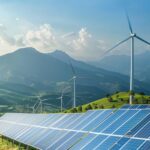
A river-fed power plant and a solar farm produce electricity in very different ways. One responds to water availability; the other follows daylight and cloud conditions. Wind and geothermal generation have their own operating patterns. For Central America, a diverse renewable energy mix can help planners combine these characteristics while responding to rising demand, changing
Sustainable packaging in Guatemala is becoming a manufacturing question rather than a design trend. Packaging has to protect the product, survive transport, communicate information and meet buyer requirements. At the same time, companies face growing pressure to reduce unnecessary material, improve recyclability and understand what happens to packaging after use. The United Nations Environment Programme
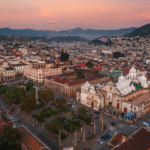
For many years, economic activity in Guatemala was heavily concentrated in Guatemala City, which served as the country’s primary business, financial, and administrative center. However, a notable shift has been taking place as intermediate cities across the country gain prominence. These urban centers, which are larger than rural communities but smaller than major metropolitan areas,
Sustainable finance targets become credible when investors can understand exactly what a company plans to change, how progress will be measured and when results will be verified. A broad commitment such as “reduce environmental impact” is difficult to evaluate. A defined baseline, material KPI, deadline and reporting method creates a measurable management objective. The sustainable
Increasingly, companies in Guatemala are rethinking the way they operate to reduce the environmental impact of their processes. This is not just a global trend, but a series of concrete decisions that affect energy consumption, waste management, and relationships with the communities where they operate. Why Companies Are Prioritizing Sustainability? Reducing an environmental footprint no
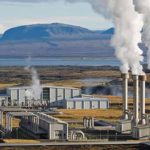
Guatemala has an important opportunity to expand its renewable energy portfolio through geothermal power. Located in a region characterized by significant volcanic activity, the country possesses natural geological conditions that can support the development of geothermal resources. As Guatemala looks for ways to strengthen its energy system, geothermal power could become an increasingly relevant source
Guatemala faces significant challenges in education, healthcare, and economic development. In response to this reality, various foundations, many of them linked to the private sector, have taken an active role in addressing needs that are not always fully covered by the public sector. Their work is reflected in concrete programs that reach both urban and
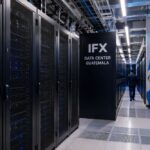
Interest in data center investment in Guatemala reflects a wider shift in how countries compete for digital infrastructure. A data center is a physical asset with demanding operational requirements: reliable power, redundant connectivity, secure sites, skilled technicians and a business environment capable of supporting investments designed to operate for many years. Guatemala has made progress